Have you ever wondered if a garment labeled "Made in Vietnam" might have raw materials from China, a design from France, and ultimately be sold in the United States? This seemingly circuitous trade method is a typical scenario of re-export trade. Today, we will unveil the mystery of this "invisible bridge" and see how it quietly reshapes the global commercial landscape.
Three Core Characteristics of Re-export Trade
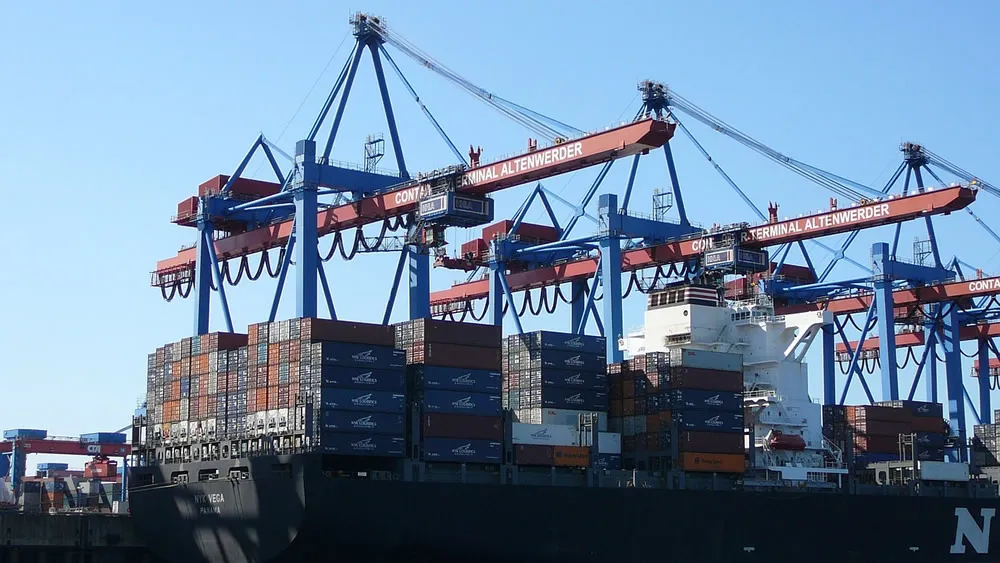
Unlike direct trade, goods in re-export trade are like tourists on a global journey, requiring a "layover" in a third country. This model has three distinct characteristics:
- "Transit Without Entry" Logistics Magic: Goods only complete customs declaration, repackaging, or labeling in the transit country, without entering the local market. For example, Mr. Mo electronic components depart from Shenzhen, transit through Singapore for vessel transfer to Germany, staying at the Singapore port for no more than 48 hours.
- "Low Tariff + High Flexibility" Golden Combination: Utilizing the free trade agreement advantages of the transit country, Mr. Mo textiles are re-exported to the EU via Malaysia, with tariffs directly dropping from 12% to 3%.
- "Risk Buffer Zone" Business Acumen: When trade friction exists between two countries, re-exporting through a third country can circumvent sanctions. During a certain country's additional tariff imposition on China in 2020, bicycle exports via Vietnam surged by 217%.
Why Do Businesses Prefer This "Circuitous Path to Salvation"?
The case of Zhongmaoda Logistics demonstrates that re-export trade can create threefold value for businesses:
- Cost Optimizer: By circumventing anti-dumping duties of certain countries, a Ningbo lighting company saved over 8 million yuan in tariffs annually through re-export via Thailand.
- Time Accelerator: The 48-hour customs clearance policy in Dubai's Jebel Ali Free Zone is, on average, 11 working days faster than direct shipping to Europe.
- Compliance Safety Valve: When certificates of origin are sensitive, re-export trade offers a legitimate opportunity for "identity transformation."
Undercurrents of Challenges and Risks
This "bridge" also has hidden reefs that require vigilance:
- Customs in a certain region once seized 2,000 tons of "pseudo re-export" rubber, which actually all flowed into the transit country's black market;
- Complex documentation requirements can trip up novice companies; Mr. Mo, for instance, had her entire shipment confiscated due to an oversight in the certificate of origin;
- Exchange rate fluctuations can erode profits; the sharp depreciation of the Japanese Yen in 2022 caused significant losses for auto parts suppliers re-exporting through Japan.
Future: Digitalization Reshapes the Re-export Trade Ecosystem
Blockchain technology is changing the game. Singapore has piloted a "digital transit pass," reducing average document processing time from 72 hours to 90 minutes. And with the entry into force of new agreements like RCEP, the choices for re-export trade's "intermediate stops" will become more diverse.
Standing at the crossroads of an era marked by the tug-of-war between globalization and protectionism, re-export trade is like the "chameleon" of the business world, constantly adapting to new rules of survival. Should your business also re-examine this strategic channel? Feel free to share your observations or confusions in the comment section, and let's explore this gray area full of opportunities together.

Recent Comments (0) 0
Leave a Reply