In the wave of globalized trade, re-export trade is like a hidden yet opportunity-filled route, attracting many trade practitioners to explore. It is not merely a simple resale of goods, but a trade model imbued with unique rules and strategies. Today, let us delve into the intricacies of engaging in re-export trade.
What is Re-export Trade?
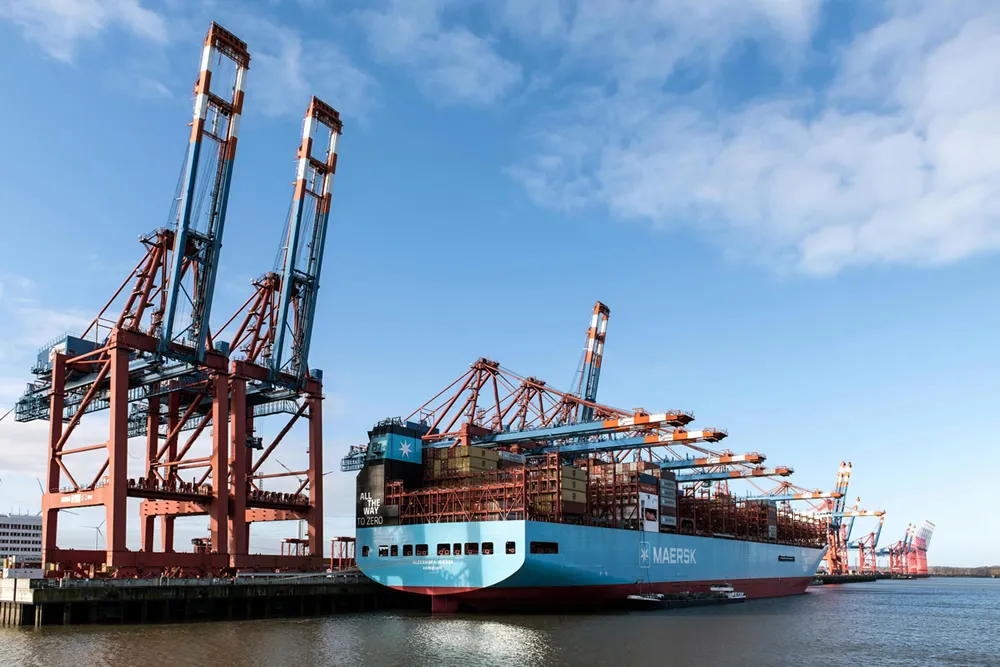
Re-export trade, also known as entrepôt trade, refers to international trade where the buying and selling of imported and exported goods are not conducted directly between the producing country and the consuming country, but rather through a third country. For instance, a Chinese enterprise produces a batch of toys intended for direct export to the United States. However, by transiting through a trading company in Singapore, the goods are first shipped to Singapore and then from Singapore to the United States. In this process, the trading company in Singapore is engaged in re-export trade.
Advantages of Re-export Trade
Firstly, re-export trade can circumvent trade barriers. In recent years, protectionism has been on the rise, with some countries imposing high tariffs or import quotas on specific products. Through re-export trade, by leveraging a third country that has good trade relations and relaxed trade policies with the destination country, these barriers can be skillfully bypassed. For example, Mr. Zeng company primarily exports apparel. Due to high tariffs imposed by the destination country on Chinese apparel, they successfully reduced tariff costs by re-exporting through a Southeast Asian country, utilizing that country's free trade agreements with the destination country.
Secondly, logistics costs can be optimized. In the global supply chain layout, re-export trade can combine the logistics advantages of different regions, selecting more convenient and cost-effective transportation routes. For instance, Mr. Zeng company ships goods to a logistics hub port first, and then re-exports them from that port to the final destination, effectively utilizing the hub port's dense shipping routes and preferential freight rates, significantly reducing logistics expenses.
Furthermore, trade opportunities can be expanded. By participating in re-export trade, traders can connect with more suppliers and buyers, expanding their business networks. Trading service enterprises like Zhongmaoda, with their abundant resources and professional capabilities, help numerous companies discover new business opportunities and open up new markets through re-export trade.
Points to Note When Engaging in Re-export Trade
Risk control is paramount. On one hand, there are policy risks, as trade policies in different countries can be adjusted at any time. Re-export traders must constantly monitor policy dynamics in various countries to avoid losses due to policy changes. On the other hand, there are logistics risks, where goods may face issues such as transportation delays or damage during transit. Therefore, it is crucial to select reliable logistics partners and purchase adequate cargo insurance.
Concurrently, trade compliance must be emphasized. Re-export trade involves customs, tax, and other regulations of multiple countries. Enterprises must strictly adhere to these regulations to ensure that all aspects of the goods' origin, transportation, and sales are legal and compliant, thereby avoiding legal disputes.
In the information age, accurate and timely information is also indispensable. Re-export traders need to stay abreast of market dynamics, price fluctuations, and other information in real-time to make informed decisions.
Opening the Door to Re-export Trade
Re-export trade is like a blue ocean of trade full of potential. While it offers numerous advantages, it also comes with certain risks. For trade practitioners, a deep understanding of its rules, meticulous strategic planning, and strict risk control can help them set sail for success in this blue ocean. Whether it is to circumvent trade barriers, optimize costs, or expand business opportunities, re-export trade is worth exploring and trying. It is hoped that more enterprises can leverage re-export trade reasonably and shine on the global trade stage.

Recent Comments (0) 0
Leave a Reply