Mr. Dai recently received a business invitation promising "guaranteed profits with no losses": to re-export goods through a third country to a restricted market, with a promised profit margin of up to 30%. However, after consulting a professional agency, he was informed that this type of re-export trade could expose him to legal risks. What is really going on? Today, we will unveil the truth behind the risks of re-export trade.
I. Legal Red Lines: What You Think is a "Shortcut" Might Be Illegal
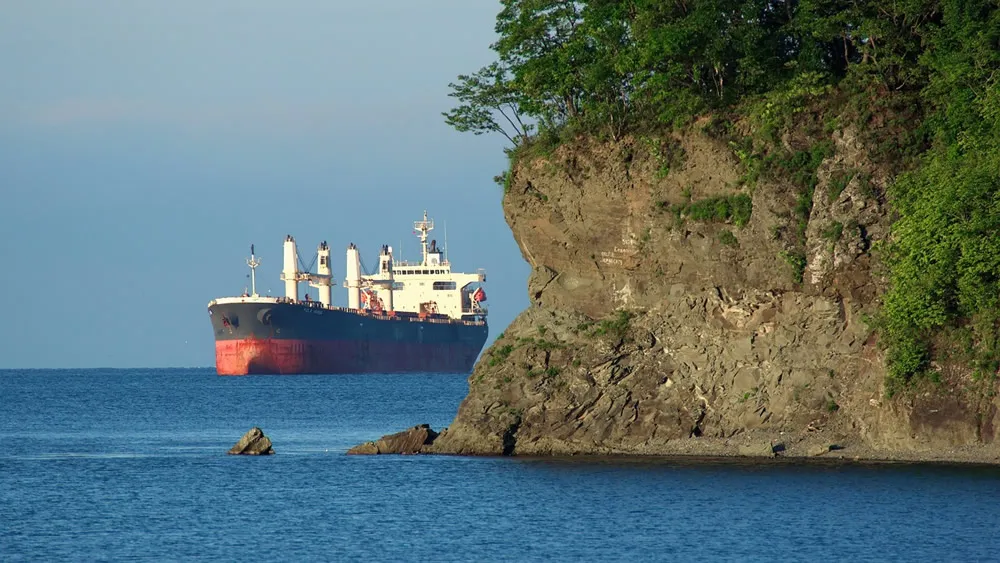
The most fatal risk of re-export trade lies in legal compliance. Many companies attempt to bypass origin restrictions or trade sanctions by transshipping goods through a third country, but such operations often violate international treaties or the import country's regulations. For example:
- The United States imposes strict rules of origin on certain countries, and false declarations can trigger hefty fines.
- The European Union requires complete supply chain transparency proof for specific goods.
- Customs authorities in many countries have dedicated inspection mechanisms for "origin washing" activities.
Mr. Dai case is quite representative – she was transshipping textiles to the United States via Malaysia, and the entire shipment was seized due to discrepancies in the country of origin labeling, resulting in direct losses of over 2 million yuan.
II. Financial Risks: Your Funds May Be Lost Without a Trace
The payment chain in re-export trade is usually complex and hidden, leading to:
- Frequent incidents of overseas intermediaries absconding with funds.
- Increased risk of letter of credit fraud (discrepancy between documents and goods).
- Cash flow disruption due to difficulties in settlement.
A company from Zhejiang encountered a "perfect scam": the goods were picked up at the transit port, but the bank refused payment due to document defects, ultimately resulting in the loss of both money and goods.
III. Business Reputation: One Violation is a Lifelong Stain
Once a company is found to be involved in non-compliant re-export trade:
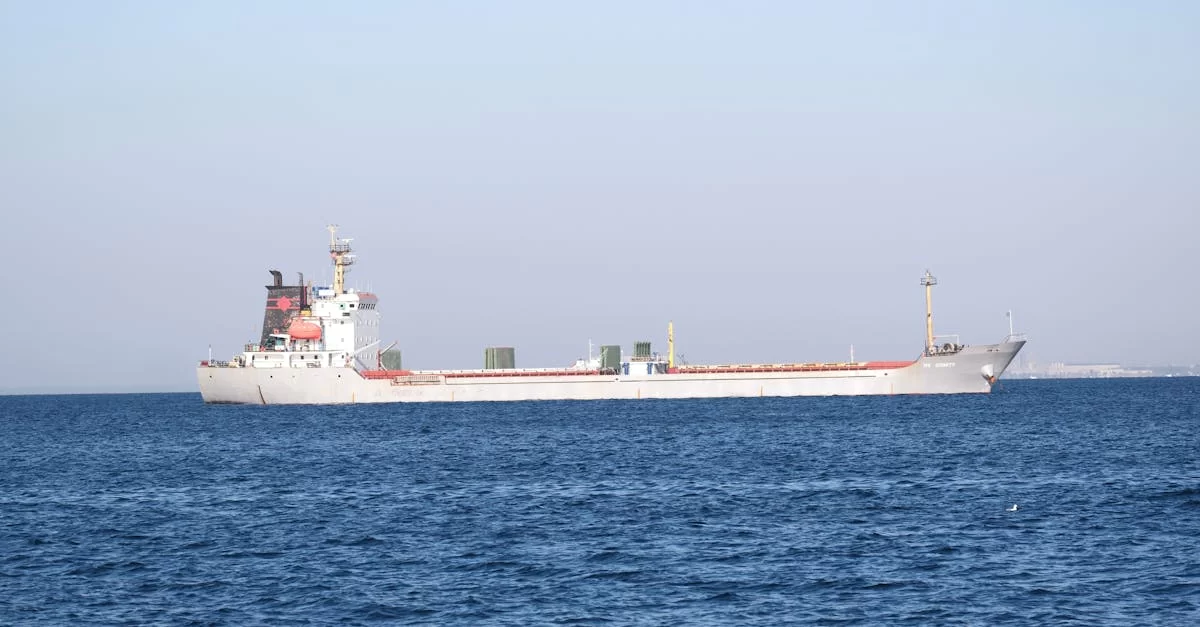
- It will be placed on international credit blacklists (e.g., Dunn & Bradstreet warning system).
- It will lose opportunities for cooperation with high-quality clients.
- It will face collective boycott from supply chain partners.
Data from Zhongmaoda's Trade Compliance Department shows that 83% of companies penalized for re-export trade violations experienced a decline of over 50% in their international business volume within the following three years.
IV. Alternative Solutions: The Right Way to Engage in Compliant Trade
Instead of risking a gray path, consider:
- Applying for special trade permits (e.g., processing trade booklets).
- Leveraging tariff preferences from free trade agreements.
- Expanding overseas compliantly through new channels like cross-border e-commerce.
Conclusion: There Are No Shortcuts in Trade; Compliance is King
When the temptation of "high profits" arises, it's wise to ask more questions: Can the transaction process withstand customs scrutiny? Are there complete regulatory records for the fund flows? It is better to conduct compliance reviews beforehand than to remediate afterward. Welcome to share your trade compliance challenges in the comments section. Zhongmaoda's expert team will select typical issues for professional answers.

Recent Comments (0) 0
Leave a Reply