When Mr. Mo first encountered re-export trade, he stared at the funds from a third country on his bank statement, lost in thought – the goods were shipped directly from Vietnam to Germany, but the funds were routed through Singapore. This operation of "goods not going empty, money taking a curve" is precisely the most fascinating commercial magic of re-export trade, yet it also hides the most complex entanglement of capital flow.
I. The Essential Nature of Capital Flow in Re-export Trade
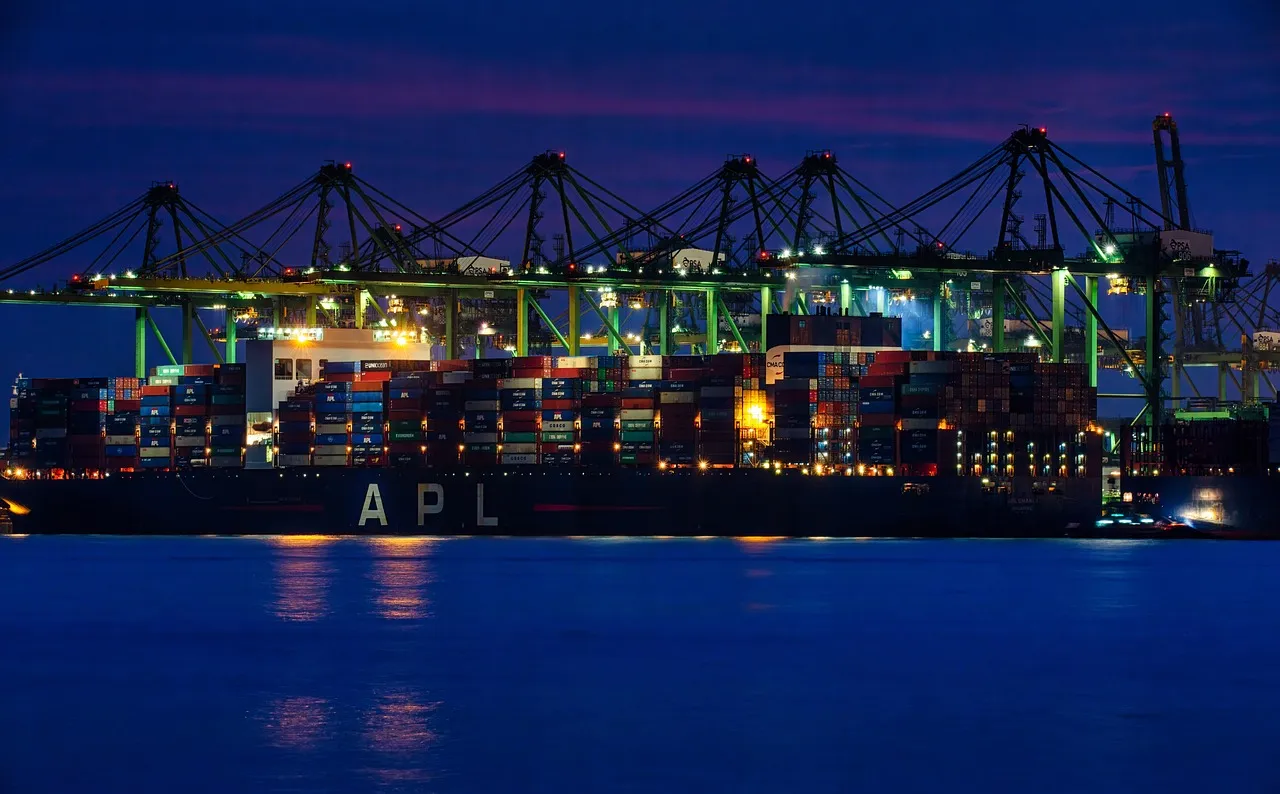
Unlike direct trade, the capital flow in re-export trade exhibits a unique triangular closed loop:
- Procurement side: Paying suppliers in Country A for goods
- Sales side: Receiving payment from buyers in Country B for goods
- Profit side: Retaining the difference in an intermediate account
Mr. Mo case is quite representative. She purchased rubber from Malaysia through a Hong Kong company and resold it to a Japanese client. When doing so, the funds had to meet three requirements simultaneously: compliance path, tax optimization, and risk isolation.
II. Four Compliance Paths for Receiving Foreign Exchange
Path 1: Offshore Account Transit
Receiving payments from Country B through an offshore account in places like Singapore requires providing a complete chain of trade documents (proforma invoice/bill of lading/customs declaration form). The bank's review period is typically 3-5 working days.
Path 2: Domestic OSA Account
Opening an OSA account in special zones such as the Shanghai Free Trade Zone allows for direct receipt and payment of foreign currencies. A chemical enterprise handled its Middle East-Europe re-export business through this method, shortening the fund arrival time to 48 hours.
Path 3: Cross-border RMB Settlement
Applicable to countries that have signed currency swap agreements with China. It should be noted that the cross-border RMB customs declaration form needs to be marked with the words "re-export trade".
Path 4: Back-to-Back Letter of Credit
When the creditworthiness of both trading parties is insufficient, funds can be secured by opening a back-to-back letter of credit. A machinery trader adopted this method, reducing the risk of payment default to below 0.3%.
III. Avoiding the Three Major Pitfalls in Payment
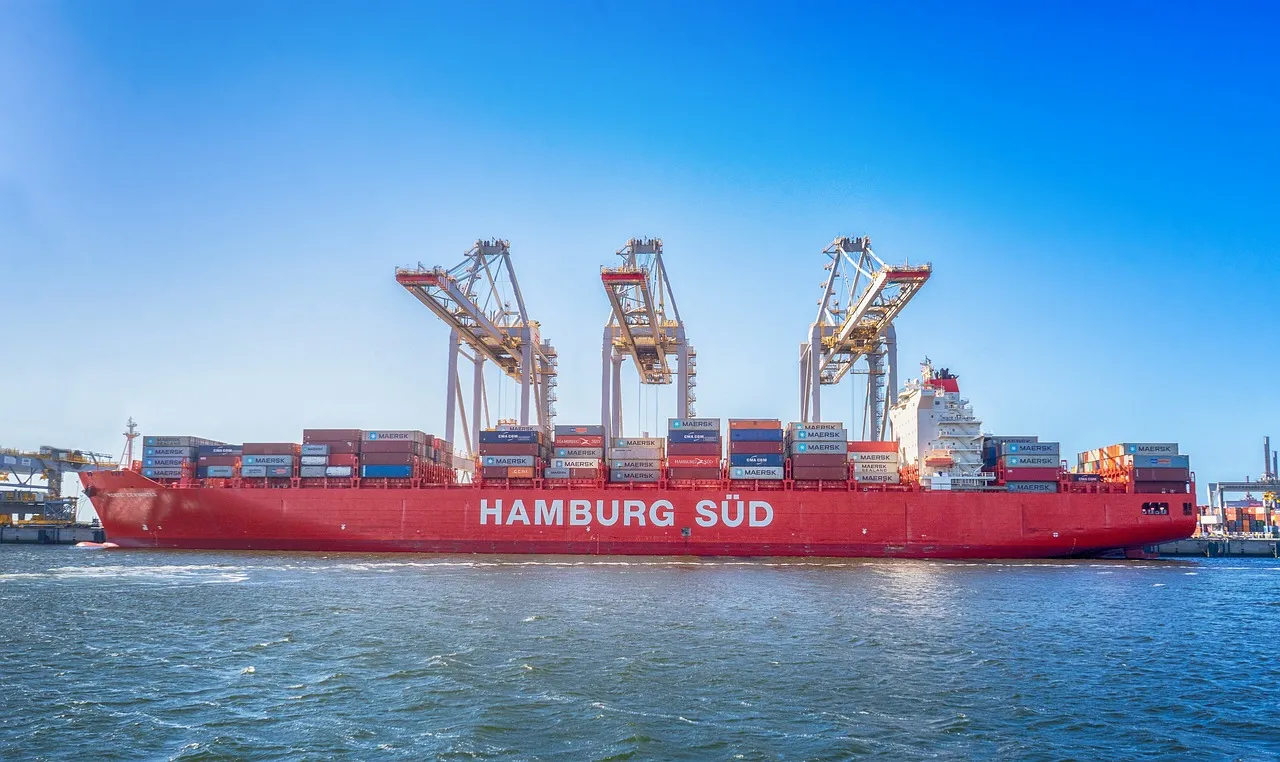
Pitfall 1: Lack of Proof of Ownership of Goods
Banks may freeze payments due to the absence of a copy of the bill of lading or warehouse receipt. It is recommended to adopt a "dual bill of lading" model: the original to the buyer, and a copy retained by the bank for record.
Pitfall 2: Divergence between Capital Flow and Goods Flow
If the country of payment and the country of shipment are significantly mismatched, a letter of explanation for re-export trade is required. A food trading company had $800,000 in payment temporarily held for 28 days due to its failure to submit the explanation in a timely manner.
Pitfall 3: Abnormal Profit Retention
If the profit proportion in an intermediate account exceeds the industry average (typically 5-15%), it may trigger an anti-money laundering review. Reasonable splitting can be achieved through service fees, commissions, etc.
IV. Capital Dispatch Strategies in Practice
Establishing a three-location linked capital pool is a mature industry practice:
- Hong Kong: Handling USD/EUR settlements
- Singapore: Managing cash flow for Southeast Asian businesses
- Shanghai Free Trade Zone: Connecting with domestic financial instruments
After adopting this model, a building materials trading company reduced its annual foreign exchange costs by 37% and achieved T+0 capital transfer.
V. Compliance Trend for the Next Three Years
With the expanded coverage of CRS information exchange, it is recommended that companies:
- Complete tax filing for all accounts before 2024
- Establish an electronic document management system (saving an average of 42% in compliance costs)
- Check the OFAC list of trading counterparties quarterly
As re-export trade meets the pilot program for cross-border payment of digital RMB, new capital channels are opening up. Is your company ready for this quiet payment revolution? Welcome to share your practical experience in foreign exchange settlement and payment in the comment section.

Recent Comments (0) 0
Leave a Reply