When you pick up a bag of Vietnamese cashews at the supermarket or order Vietnamese coffee on an e-commerce platform, have you ever wondered how these goods cross borders to reach you? Vietnamese export agencies are the key players in this supply chain – they don't produce goods, but they can help Vietnamese manufacturing reach the global market at a lower cost and higher efficiency.
Why Do Businesses Need a Vietnamese Export Agent?
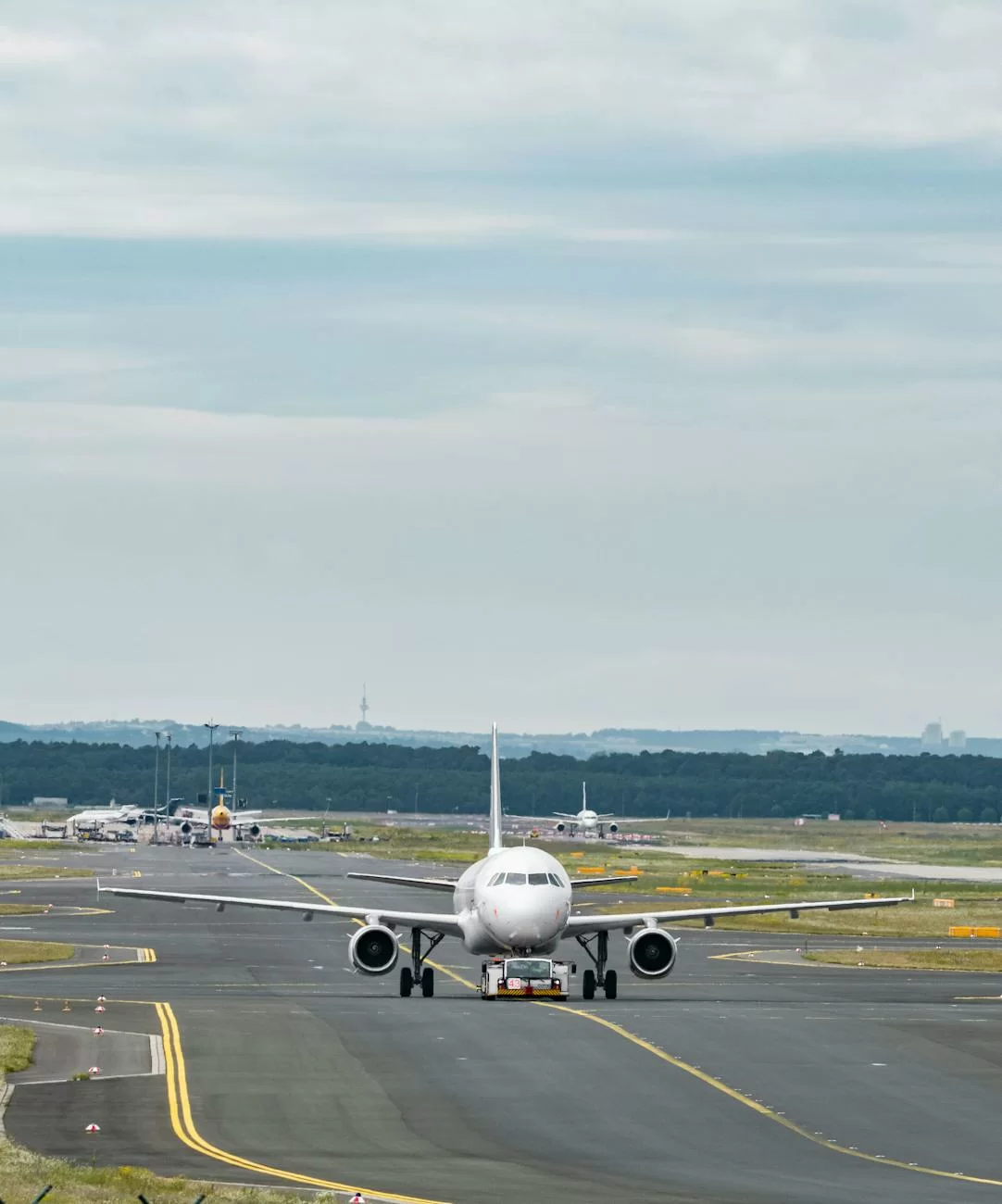
Mr. Qi, the procurement director of a domestic food trading company, calculated: "If we were to build our own team in Vietnam, just registering the company, renting an office, and hiring local employees would require an initial investment of over 200,000 RMB. By using an agency company, we only need to pay service fees and can leverage their customs relationships and logistics channels." This is precisely the core value of Vietnamese agency companies:
- Policy Adaptation: Vietnam's import and export regulations are revised 2-3 times a year, and agency companies have dedicated teams to track these changes.
- Cost Optimization: By handling orders for multiple clients in bulk, they can obtain tiered discounts for sea freight and customs declaration.
- Risk Mitigation: When Vietnam suddenly raises inspection standards for certain types of goods, agents will provide advance warnings and assist with adjustments.
Three Hidden Traps When Choosing an Agency Company
Mr. Qi once suffered significant losses due to choosing the wrong agent: "One company quoted 30% lower than the market price. Later, we discovered they were 'sneaking' our goods through customs mixed with chemicals, which led to the entire batch of coffee beans being seized." Through case reviews, we have summarized these key points to avoid pitfalls:
- Qualification Verification: Request the original Import and Export Business License Certificate issued by the Vietnamese Ministry of Industry and Trade.
- Service Scope: Clarify whether destination country customs clearance is included (some agents only handle Vietnam's outbound logistics).
- Financial Security: Be wary of agencies that require 100% upfront payment; legitimate companies usually accept a 30% deposit.
Emerging Trend: The Rise of Digitalized Agencies
Leading agency companies are now rebuilding their service chains with technology. Through WeChat mini-programs, clients can track the loading progress of their goods at Ho Chi Minh Port in real-time; blockchain technology ensures that certificates of origin are tamper-proof; some agencies even offer supply chain finance services – allowing companies to apply for advances based on purchase orders. An industry insider revealed: "80% of our clients come from referrals because the system-generated compliance reports help them pass EU audits."
Does Your Business Need a Vietnamese Agent?
Take a quick test: If you meet any of the following conditions, you should consider finding a professional agent:
- You procure more than 3 containers per month from Vietnam.
- You deal with categories like food/agricultural products that require special quarantine certificates.
- You plan to use Vietnam as a transshipment base (e.g., for exports to ASEAN countries with preferential tariffs).
Standing at the forefront of the RCEP agreement's benefits, the value of Vietnamese export agents, these "behind-the-scenes facilitators," will only become more prominent. The next time you see a Vietnamese product, perhaps you will view the mysteries of this cross-border supply chain with a new perspective.

Recent Comments (0) 0
Leave a Reply