In the wave of globalization, import trade is becoming increasingly frequent. Import inspection and declaration, as an important part of this process, are like precise gears in the trade chain, silently promoting the smooth circulation of goods between countries. It not only concerns whether goods can legally enter the domestic market but also affects trade costs and efficiency. Today, let us delve into the matters of import inspection and declaration.
Import Inspection: The Health "Check-up" for Goods
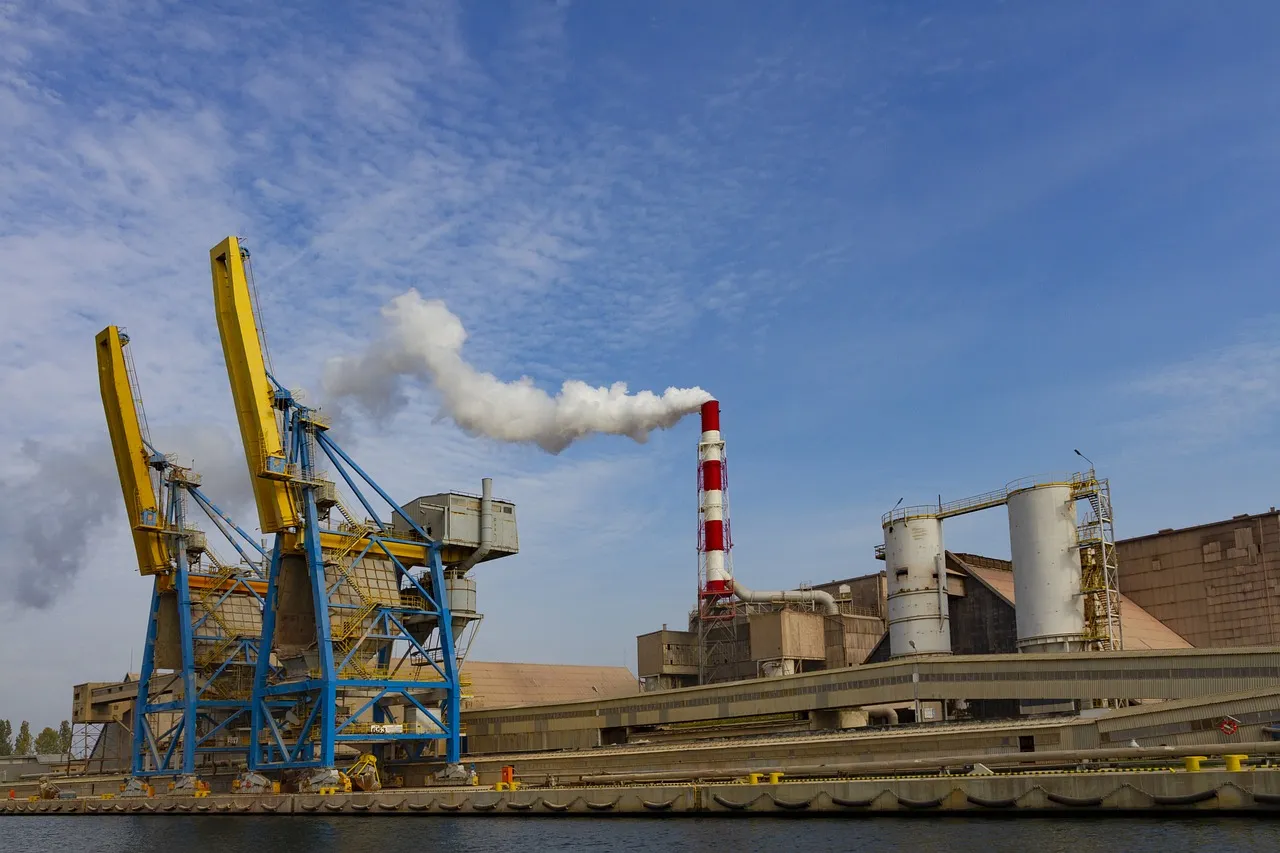
Import inspection is a statutory inspection and quarantine procedure for imported goods, akin to a comprehensive health "check-up" for the goods. When foreign goods travel across the ocean to our country's ports, they first must undergo the inspection process. During declaration, importers need to submit a series of relevant documents, such as contracts, invoices, packing lists, bills of lading, etc. These documents are like the "identity certificates" for the goods, detailing information such as their origin, specifications, and quantity.
Inspection and quarantine authorities will conduct strict inspections based on relevant standards and regulations. Taking food imports as an example, they will check whether the food labels comply with China's standard requirements, and whether the content clearly and accurately indicates key information such as ingredients, shelf life, and consumption methods. At the same time, the quality and safety of the food will be tested to ensure it does not contain harmful substances and meets China's food safety standards. Only goods that pass this series of strict inspections can obtain a "health permit" and smoothly enter the domestic market.
Import Declaration: The "Password" for Goods to Clear Customs
After completing the inspection, the process moves to import declaration. Import declaration refers to the process by which the consignee of imported goods or their agent handles the import declaration and tax payment procedures with customs when the goods arrive. This is like finding the "password" for the goods to clear customs.
During the declaration process, declarants need to accurately fill out the customs declaration form, detailing all aspects of the goods, including the name, code, quantity, value, country of origin, etc. Accurate classification of commodity codes is crucial, as different commodity codes correspond to different tax rates and regulatory conditions. For instance, for electronic products, the commodity codes for mobile phones and tablet computers are different, and the corresponding import duty rates may also vary. Customs will review the declaration form and accompanying documents to determine if the goods comply with national import regulations and to levy import duties and other taxes according to law. Only after paying the corresponding taxes and fees will customs release the goods, and the goods can truly circulate in the domestic market.
Zhongmaoda: Professional Assistance for Import Inspection and Declaration
The process of import inspection and declaration is complex and tedious. Any error in any can lead to goods being detained or delayed delivery, causing unnecessary losses to importers. In this regard, Zhongmaoda provides high-quality inspection and declaration services to importers with its professional team and rich experience.
Zhongmaoda's professional team is familiar with the inspection and declaration policies and regulations for various types of goods, and can accurately grasp the inspection and quarantine requirements and declaration key points for different products. Whether it is daily necessities such as food and cosmetics, or industrial products such as machinery and electronic equipment, Zhongmaoda can provide precise and efficient services to importers. In the inspection stage, it assists importers in preparing complete documentation to ensure smooth passage through inspection and quarantine. In the declaration stage, by accurately classifying commodity codes and deeply understanding customs policies, it rationally plans declaration schemes, reduces import costs, and improves customs clearance efficiency.
Follow Policies Closely for Compliant Trade
The policies and regulations for import inspection and declaration are not static; they are constantly adjusted with changes in the international trade situation, domestic industrial development needs, and other factors. Only by closely following policy changes and ensuring compliant inspection and declaration operations can importers move forward steadily in international trade.
For example, in recent years, with the increasing emphasis on environmental protection, stricter inspection, quarantine, and declaration regulatory policies have been introduced for certain high-pollution and high-energy-consumption imported products. If importers do not keep up with these policy changes and continue to operate as before, they may face risks such as the return of goods. Therefore, importers should strengthen their own learning and attention to policies and regulations, and at the same time, they can leverage the power of professional institutions like Zhongmaoda to ensure the smooth progress of import trade.
In summary, import inspection and declaration are indispensable key links in import trade. Whether importers or related practitioners, they should have a deep understanding of its processes and key points, actively respond to policy changes, and leverage professional strengths to make the path of import trade smoother.

Recent Comments (0) 0
Leave a Reply