In the complex network of international trade, import customs declaration is a crucial link for the smooth customs clearance of goods, and the fees of import customs brokerage companies are a focus of close attention for many importers. Today, let us delve into the fees of import customs brokerage companies to clear the fog on the path of import trade.
Basic Fee Structure
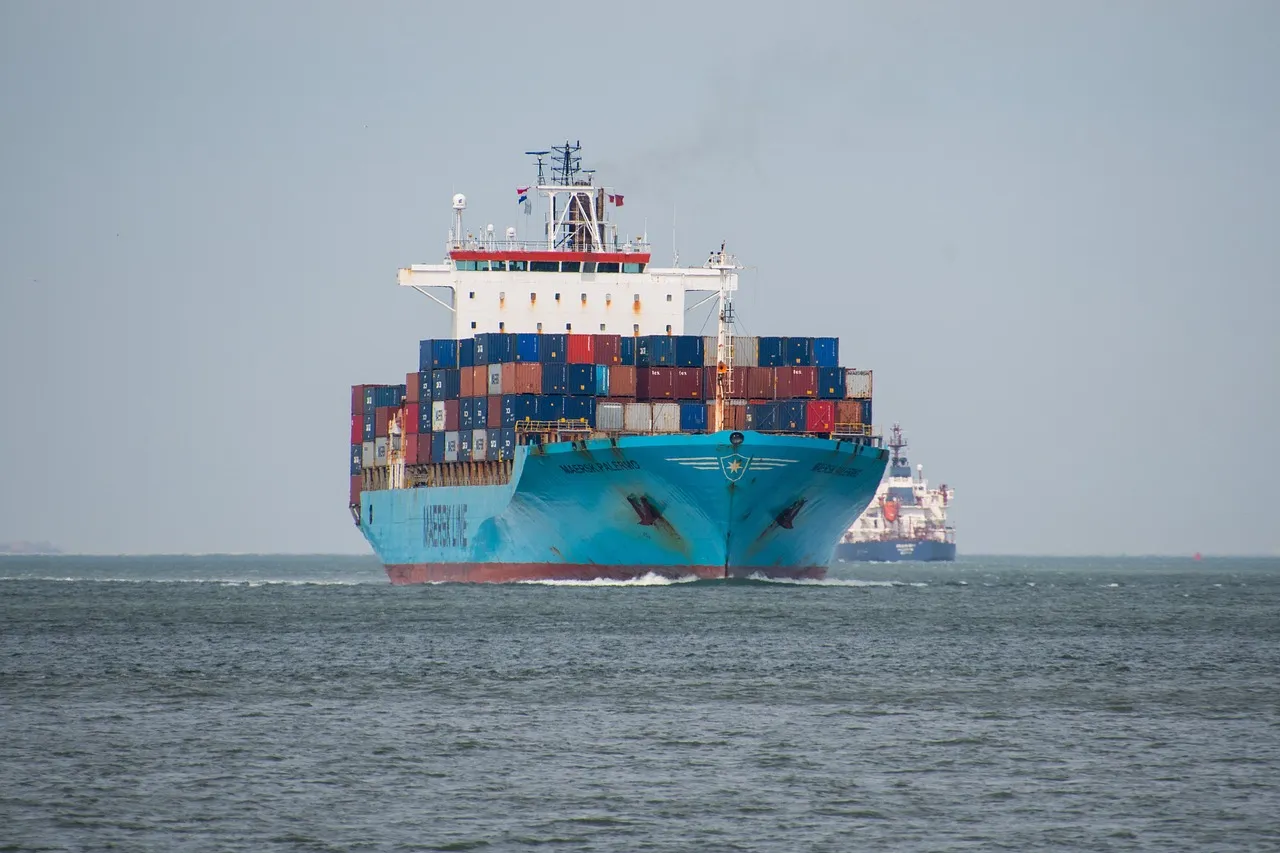
First and foremost, the most common is the customs declaration fee. This is the basic fee charged by customs brokerage companies for handling customs declaration procedures for goods, usually calculated based on the number of declaration forms. For instance, the customs declaration fee for one shipment of goods might range from a few hundred yuan, with the specific amount varying depending on different customs brokerage companies and the complexity of the goods.
Secondly, there is the inspection fee. When goods require inspection and quarantine, customs brokerage companies will charge an inspection fee. For some commodities involving food safety, animal and plant quarantine, the inspection process is relatively complex, and the fees will increase accordingly. Inspection fees are generally charged based on standards such as the value or quantity of the goods.
There are also document fees, used for the creation and processing of various documents required for customs declaration, such as packing lists, invoices, and contracts. The organization and review of documents are meticulous and cumbersome, and document fees are also an important component of customs brokerage company fees.
Factors Affecting Fees
Cargo type is one of the important factors affecting fees. Different categories of goods have significantly different customs declaration requirements and regulatory conditions. For example, mechanical equipment may require detailed technical parameters and product manuals, while chemical products may involve additional procedures such as dangerous property identification, all of which require customs brokerage companies to invest more effort, thus leading to increased costs.
The trade method also has an impact on fees. Trade methods such as general trade, processing trade, and temporary import and export have different customs declaration processes and regulatory policies. Processing trade may involve special links such as handbook registration and verification, which are more complex for customs brokerage companies to handle, and thus the fees are naturally higher.
In addition, the declared value of the goods cannot be overlooked. The higher the declared value, the greater the chance of customs inspection, and the corresponding increase in the risk and workload borne by the customs brokerage company, leading to an increase in fees.
How to Reasonably Control Costs
When choosing a customs brokerage company, importers should not only focus on the cost but also consider the company's professional capabilities and service quality. Professional customs brokerage companies can efficiently handle various issues during the customs declaration process with their rich experience, avoiding additional costs caused by errors, such as container detention fees and late payment fees due to clearance delays.
At the same time, importers should organize and prepare cargo information in advance to ensure that the information provided to the customs brokerage company is accurate and complete, reducing repeated revisions and delays caused by data issues, thereby effectively controlling costs.
Before cooperating with a customs brokerage company, clearly understand the detailed fees and service scope, and sign a detailed contract to avoid future fee disputes.
The fees of import customs brokerage companies may seem complex, but as long as we deeply understand their composition and influencing factors, and adopt reasonable coping strategies, we can effectively control costs while ensuring smooth customs clearance of goods. We hope that all importers, in their import trade, can work hand in hand with customs brokerage companies to achieve efficient and economical customs clearance goals, and jointly promote the prosperous development of trade.

Recent Comments (0) 0
Leave a Reply