In today's era of rapid technological advancement, the demand for experimental equipment in scientific research is increasingly diversified and high-end. Often, existing domestic equipment struggles to meet the needs of specific research projects, making the import of experimental equipment a crucial choice for many research institutions and enterprises. So, what exactly are the key points to consider when importing experimental equipment? Let's explore them together in depth.
Advantages of Importing Experimental Equipment
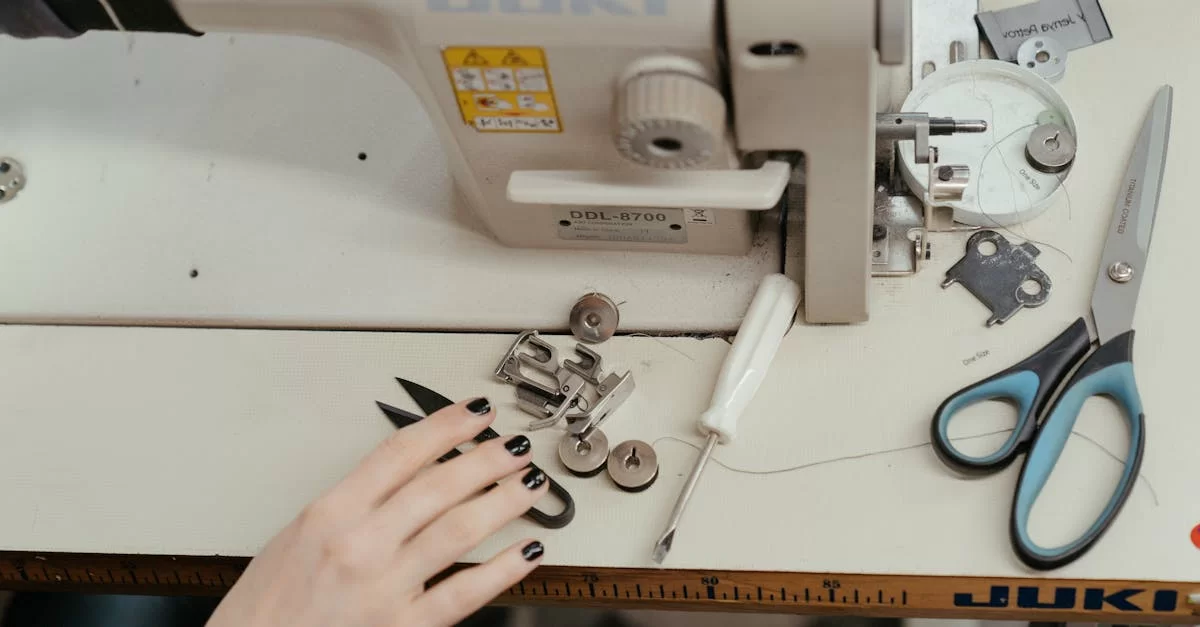
Firstly, experimental equipment from some renowned international brands often boasts a leading technical edge. Taking high-precision spectrum analyzers as an example, certain foreign products can achieve extremely high resolution, providing researchers with more accurate data, which contributes to breakthrough research achievements in fields such as materials analysis and biomedicine.
Secondly, some imported experimental equipment offers more stable and reliable performance. For instance, in the field of electron microscopy, advanced foreign equipment demonstrates outstanding imaging stability and durability, significantly reducing instances of experimental interruption due to equipment malfunction, thereby providing a strong guarantee for the continuity of scientific research.
Import Process and Precautions
The import process for experimental equipment is relatively complex, involving multiple stages. Mr. Ling research institution, for example, has experience importing experimental equipment. After identifying the required equipment, the first step is supplier screening and evaluation. This involves examining the supplier's credibility, product quality, and after-sales service, among other aspects. Once a suitable supplier is found, the contract signing phase begins, where contract terms must be detailed and clear, covering key contents such as equipment specifications, price, delivery time, and quality assurance.
Next are the transportation and customs clearance stages. During transportation, equipment safety must be ensured, and special protective measures are necessary for precision instruments. Customs clearance requires a complete set of documents, such as commercial invoices, packing lists, bills of lading, etc., and familiarity with relevant customs policies and regulations is essential. Mr. Ling, for instance, once experienced equipment delays at customs due to insufficient preparation of clearance documents, which postponed the progress of her research project. Therefore, thorough preparation in advance is crucial.
Installation and Commissioning After Import
After the experimental equipment arrives at its destination, installation and commissioning are critical steps to ensure its normal operation. Generally, equipment suppliers dispatch professional technical personnel for installation and commissioning. However, the technical staff of the research institution itself should also actively participate, learning equipment operation and maintenance skills. During the installation and commissioning process, it is essential to strictly follow operating procedures, carefully check the equipment's various performance indicators, and ensure that the equipment achieves the anticipated usage effect.
Concurrently, establishing comprehensive equipment archives is also essential. Documenting equipment procurement information, installation and commissioning reports, maintenance records, etc., contributes to subsequent management and maintenance, thereby extending the equipment's service life.
Outlook and Reflections
With the increasing frequency of global scientific and technological exchanges, the import of experimental equipment will continue to play a significant role in scientific research development. When importing experimental equipment, research institutions and enterprises should fully weigh the pros and cons, and make comprehensive plans and preparations. By judiciously importing advanced equipment, they can enhance their own scientific research capabilities and contribute to promoting innovative development across various fields. Let us actively explore, and with the aid of imported experimental equipment, create a new landscape for scientific research.

Recent Comments (0) 0
Leave a Reply