As the aroma of Liuzhou's luosifen fills the streets and alleys, another calling card of this city – industrial manufacturing – is quietly upgrading. In recent years, Liuzhou, as a major industrial hub in Guangxi, has seen a growing demand for high-end industrial equipment. However, the complex process of importing equipment often deters enterprises. How to efficiently complete import agency has become a focus for many businesses.
Why Do Liuzhou Enterprises Need Professional Import Agencies?
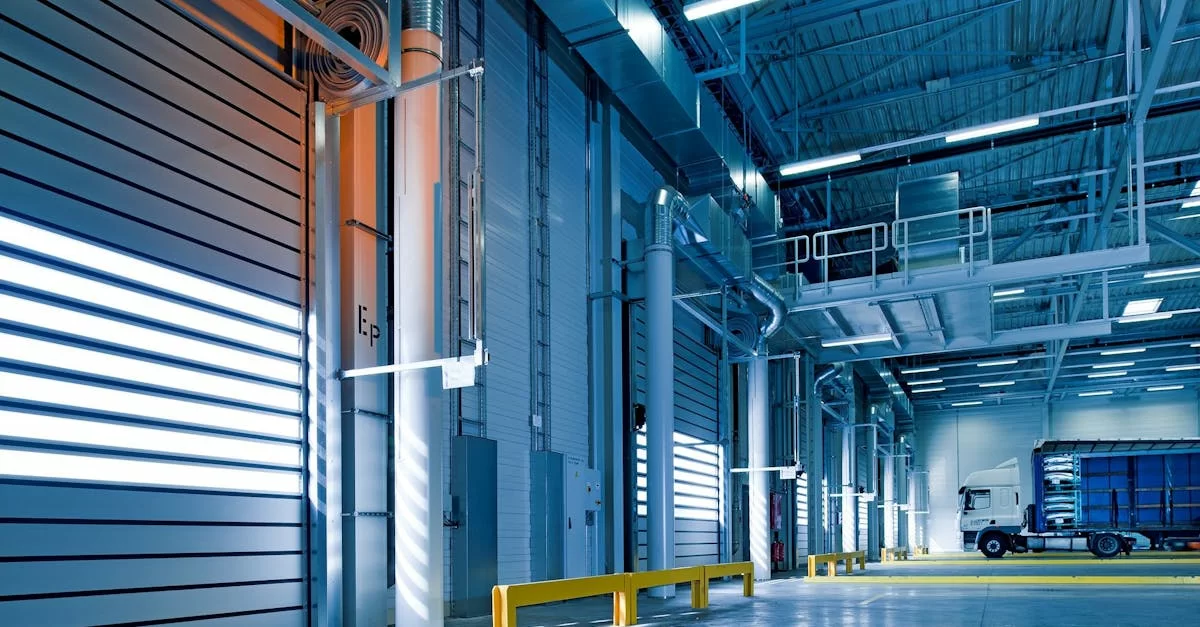
Industrial equipment import differs from ordinary goods, involving multiple professional aspects such as customs code classification, technical standard certification, and duty-free policy application. Taking a certain auto parts factory as an example, Mr. Xue once attempted to import a German production line himself but experienced customs clearance delays due to incomplete documentation, resulting in a loss of nearly 200,000 yuan. Professional agency services can help enterprises:
- Avoid compliance risks and prevent fines or returns
- Shorten customs clearance time by over 40%
- Maximize the utilization of Free Trade Agreement tariff preferences
Three Key Steps for Importing Industrial Equipment
Step 1: Preliminary Qualification Preparation
An automatic import license needs to be obtained in advance (for products listed in the catalog, such as CNC machine tools), and it is also necessary to confirm whether the equipment meets China's GB standards. Mr. Xue case shows that her agency team saved approximately 150,000 yuan in subsequent modification costs by pre-inspecting the electromagnetic compatibility of the German equipment.
Step 2: Logistics Solution Customization
Oversized equipment transportation requires special handling. For example, during the import of a certain injection molding machine, the agency company designed a disassembly and packaging + special vehicle transportation plan, reducing transportation costs to 60% of that of ordinary containers.
Step 3: Localized Service Integration
This includes subsequent support such as equipment installation, debugging, and operational training. In the "one-stop" service provided by Zhongmaoda, 78% of customers consider localized support as the core factor in choosing an agency.
These Hidden Pitfalls Have Been Stepped On By 90% of Enterprises
- Ignoring the details of the certificate of origin: An enterprise paid an additional 93,000 yuan in tariffs because the certificate did not reflect the RCEP original manufacturer statement.
- Underestimating the time for commercial inspection: The inspection of precision instruments usually takes 5-8 working days.
- Exchange rate fluctuation risk: It is recommended to use forward exchange settlement to lock in costs.
The Future is Here: The New Trend of Digitalized Agency
Through blockchain technology to achieve real-time document sharing, a Liuzhou customer's import of a Japanese production line saw customs clearance time compressed from the usual 7 days to 38 hours. Smart customs declaration systems can also automatically match the latest regulatory policies, with an accuracy improvement of 92% compared to manual methods.
The next time you stand before brand-new imported equipment, consider: Have we mastered the password to unlock the global supply chain? Feel free to share your import experiences in the comment section, or send a private message to obtain a customized solution.

Recent Comments (0) 0
Leave a Reply