When Mr. Xiao received a batch of electronic components labeled "Made in Malaysia" from a Vietnamese factory, he realized he was standing at the crossroads of global trade. Wuxi, a major manufacturing hub, is quietly becoming a nexus for third-country re-export trade. Why does this seemingly circuitous trade method attract so many enterprises?
The Underlying Logic of Re-export Trade
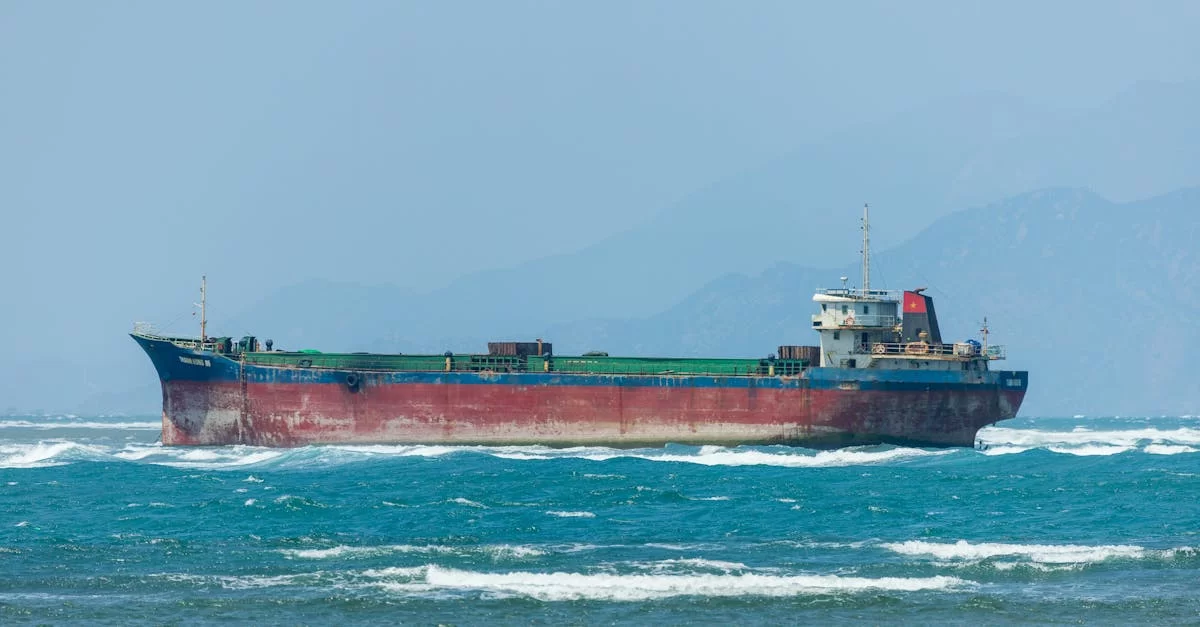
The core of third-country re-export trade is the movement of goods and document processing through intermediary countries. Wuxi enterprises first export goods to transit countries like Vietnam and Malaysia, where local traders then repackage and export them to the final destination. This model effectively circumvents high tariff barriers in target markets, especially benefiting industries subject to anti-dumping investigations.
- Cost Optimization: Saves 15-30% of overall costs compared to direct export
- Risk Diversification: Mitigates the impact of policy changes in a single market
- Process Simplification: Documents like certificates of origin provided by transit countries are crucial
Practical Paths for Wuxi Enterprises
Mr. Xiao Wuxi textile enterprise successfully entered the EU market through re-export via Cambodia. She shared: "We first transport grey fabric to Phnom Penh, and after simple processing by local factories, we can obtain a Cambodian certificate of origin." This operation reduced the product tariff from 12% to 3%.
Zhongmaoda's trade experts pointed out that successful cases usually have three characteristics:
- Precisely selecting transit countries that have free trade agreements with the target market
- Establishing reliable partners in the transit country
- Completely retaining documented proof of logistics trails
Careful Management of Compliance Boundaries
Re-export trade operates in a grey area between compliance and non-compliance. During a customs inspection, a batch of electromechanical products re-exported via Thailand was deemed "origin washing" due to insufficient processing proof, leading to hefty fines for the enterprise. This reminds practitioners:
Substantial transformation is the key criterion for determining compliance. Simple labeling, repackaging, and similar operations are increasingly difficult to pass scrutiny; it is recommended to complete at least 35% value-added processing in the transit country.
Transformation Opportunities in the Digital Age
Blockchain technology is transforming the trust mechanism of re-export trade. A Wuxi supply chain enterprise has built a cross-border traceability system, putting all transit documents and logistics data on the blockchain in real-time, allowing buyers to verify the authenticity of the entire chain by scanning a code. This innovation has increased the transparency of re-export trade by over 40%.
What Does the Future Hold?
As global trade barriers continue to rise, third-country re-export might not be the optimal solution, but it is indeed a viable transitional option for now. Has your enterprise considered this model? You are welcome to share your insights on the prospects of re-export trade, or consult Zhongmaoda experts for customized solutions.

Recent Comments (0) 0
Leave a Reply