In today's globalized business wave, trade forms are increasingly diversified, and re-export trade is a very important one. Today, let's open this "Re-export Trade Dictionary" together and get to know all its aspects.
What is Re-export Trade?
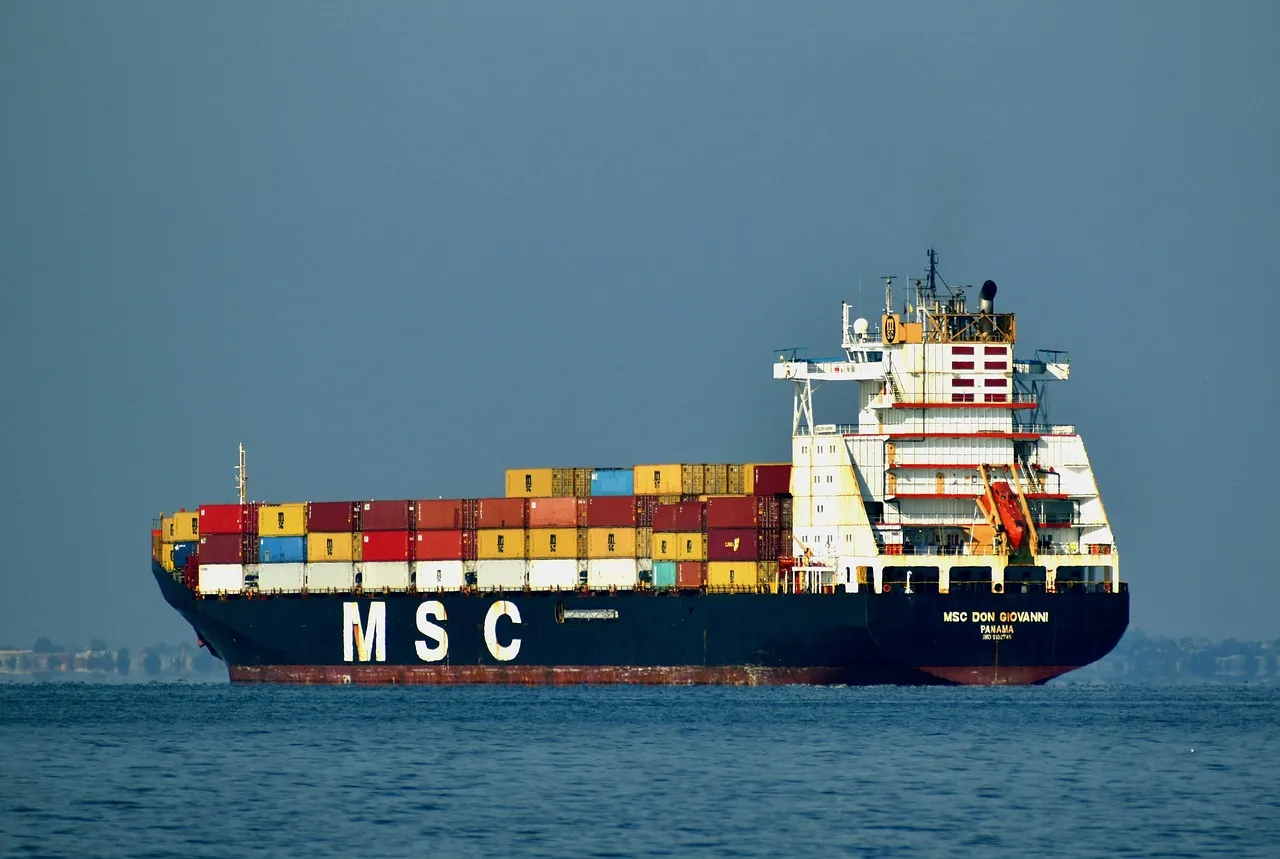
Re-export trade, simply put, is trade activities conducted between the country of production and the country of consumption through a third country (i.e., the re-export trade country). For example, suppose a batch of high-quality electronic products are produced in Country A, where Mr. Gu is located, but the main consumer market is in Country B. However, there may be some trade barriers or other factors between Country A and Country B that are not conducive to direct trade. In this case, re-export trade can be carried out through Country C. Mr. Gu company in Country C first imports this batch of electronic products from Country A and then exports them to Country B, earning a certain price difference or handling fees.
Advantages of Re-export Trade
- Circumventing Trade Barriers: As mentioned earlier, when there are trade restrictions such as tariffs and quotas between two countries, re-export trade can allow goods to flow more smoothly by utilizing the relatively lenient trade policies of the third country, thereby reducing trade costs. For example, some countries impose high tariffs on specific products, and re-export trade can cleverly avoid this problem.
- Expanding Markets: For enterprises in some small and medium-sized countries, directly entering certain large markets may be difficult. Through re-export trade, by leveraging the trade channels and market resources of the re-export country, it is easier to promote products to a wider international market and increase sales opportunities.
- Obtaining Additional Profits: In this process, re-export traders can make profits by reasonably operating prices, arranging logistics, etc., to earn price differences or collect service fees between buying and selling, thus achieving profitability.
Operational Process of Re-export Trade
Generally speaking, first, it is to find suitable re-export trade partners, that is, re-exporters. Enterprises with experience in this area like Zhongmaoda are very reliable. Then, it is necessary to sign an import contract with the supplier and purchase the goods from the country of origin. Next, it is necessary to arrange warehousing, processing (if needed), and other matters for the goods in the re-export country. Finally, sign an export contract with the customer in the target market and smoothly ship the goods to the consumer country. Throughout the entire process, logistics, customs declaration, customs clearance, and other links must be properly handled to ensure the smooth progress of trade activities.
Risks to be Aware of in Re-export Trade
- Policy Risks: Re-export trade is highly dependent on the trade policies of various countries. If the policies of the re-export country, country of origin, or consumer country change, such as suddenly increasing tariffs or introducing new trade control measures, it may have a significant impact on re-export trade and even make trade impossible to continue.
- Market Risks: The international market is constantly changing, and price fluctuations of products and changes in market demand can affect the profits of re-export trade. If the price of similar products in the market falls sharply before the goods are resold, it will be troublesome.
- Credit Risks: In the process of dealing with upstream and downstream partners, if the other party has credit problems, such as defaulting on payment or failing to fulfill obligations according to the contract, it will also bring considerable losses to re-export trade.
Re-export trade is like a "magician" on the international trade stage, cleverly breaking through some trade dilemmas and creating more business opportunities, but at the same time, it carries some "tails" of risk. I hope that through our small "Re-export Trade Dictionary," everyone can have a clearer understanding of it. If anyone has any experience or questions about re-export trade, feel free to leave a message in the comment section to discuss, and perhaps more sparks of business wisdom can be ignited!

Recent Comments (0) 0
Leave a Reply