On the vast stage of international trade, re-export trade has always been a field shrouded in mystery. And within this, the re-export trade dealers, much like behind-the-scenes operators, control numerous key links. Today, let us step into this mysterious world together and unveil the face of re-export trade dealers.
Role Positioning of Re-export Trade Dealers
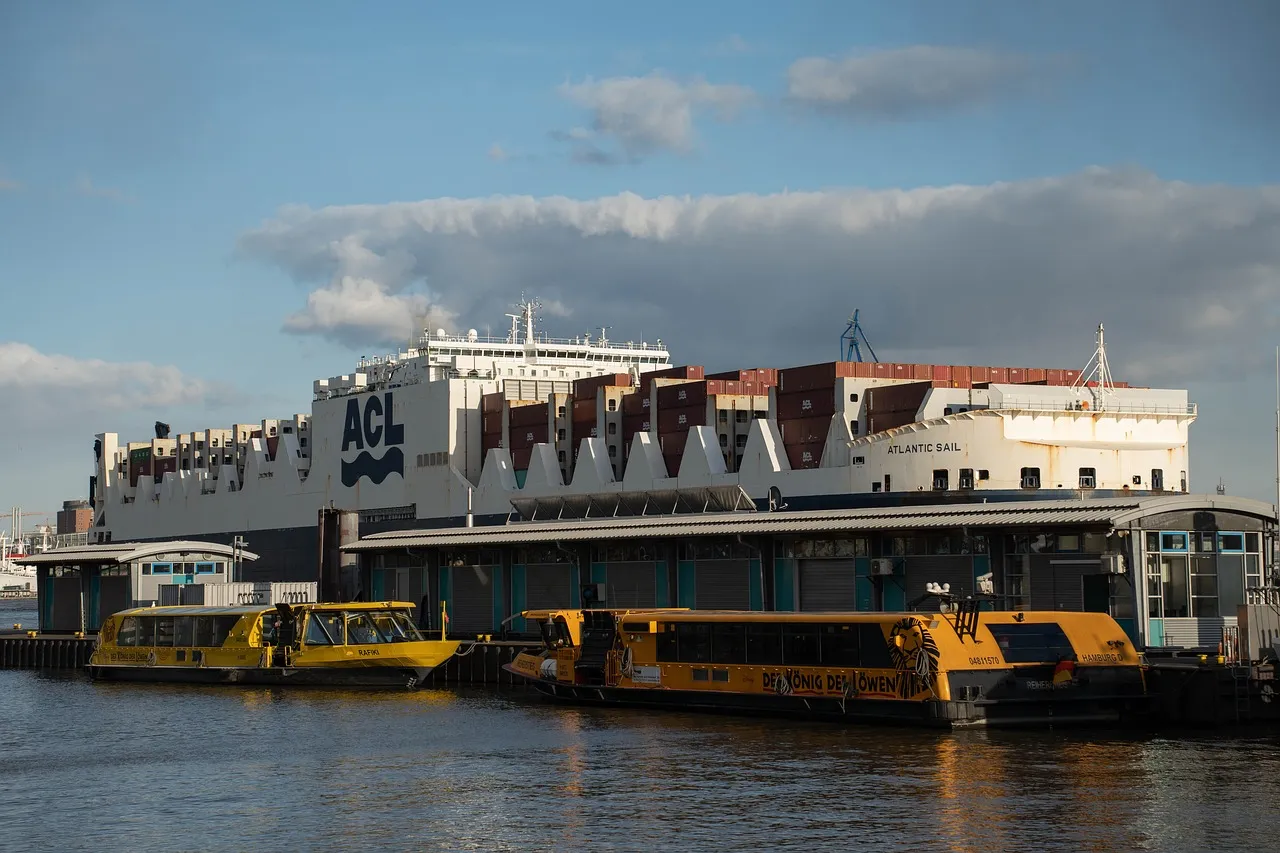
Re-export trade dealers are primarily organizers of the trade process. They are like directors of a complex performance, coordinating participants in various segments. From the procurement of goods at their source, to selecting suitable transshipment points, and finally dispatching the goods to their destination, every step requires meticulous planning. For instance, for a batch of goods that Mr. Xie was responsible for, needing to be transported from a country in Asia to Europe, the re-export trade dealer would need to consider transportation costs, the efficiency of transshipment ports, and local trade policies among many other factors to plan the most reasonable trade route.
At the same time, they are also controllers of risk. International trade faces various risks, such as exchange rate fluctuations, changes in political situations, and accidents during transportation. Re-export trade dealers, with their rich experience and professional knowledge, anticipate and take measures to mitigate these risks in advance. Mr. Xie team once encountered a situation of sudden and significant exchange rate volatility, but fortunately, the re-export trade dealer had hedged through appropriate financial instruments beforehand, thus avoiding major losses.
Operational Approach of Re-export Trade Dealers
In terms of operations, re-export trade dealers have a rigorous process. The first step is market research, where they need to thoroughly understand the market demand, consumption habits, and trade policies of different countries and regions. Only then can they accurately select potential products for re-export trade.
- For example, if they learn that an emerging market has a strong demand for a certain type of specialty electronic product, but the country itself has limited production capacity, re-export trade dealers will turn their attention to regions with production advantages and organize the supply of goods.
The second step is supply chain management, ensuring stable supply and efficient transportation of goods. This involves close cooperation with numerous suppliers and logistics companies. They continuously optimize the supply chain, improve cargo turnover speed, and reduce costs.
Challenges and Opportunities Faced by Re-export Trade Dealers
With the continuous development of the global economy, re-export trade dealers also face numerous challenges. On one hand, protectionism is on the rise, with some countries setting higher trade barriers, which creates difficulties for the transshipment and sale of goods. On the other hand, market competition is increasingly fierce, with more and more participants entering the re-export trade field, vying for this "cake."
However, challenges and opportunities always coexist. Technological advancements provide re-export trade dealers with new tools and methods, such as more advanced logistics tracking systems and big data analysis platforms, which help them better manage trade processes and grasp market dynamics. Moreover, the continuous rise of emerging markets also brings new business opportunities to re-export trade. As long as they can keenly perceive and strategically position themselves in a timely manner, they can still achieve good development in this field.
Conclusion: Reflection and Outlook
Re-export trade dealers play an important role on the stage of international trade. Their operations are crucial to the interests of many enterprises and the smooth flow of global trade. After understanding their many aspects, we cannot help but wonder, in the increasingly complex and volatile trade environment of the future, how can re-export trade dealers further enhance their competitiveness and better adapt to new situations? Perhaps, this requires them to continuously innovate, strengthen cooperation, and embrace new challenges and opportunities with a more open attitude. We also hope that everyone will continue to pay attention to the development of this field and explore its mysteries together.

Recent Comments (0) 0
Leave a Reply