Amidst today's globalized business tides, enterprises' trade modes are becoming increasingly diverse, with re-export trade being a particularly distinctive one. Perhaps many are still relatively unfamiliar with it, yet it plays a crucial role in the development strategies of numerous enterprises. Today, let's have a good discussion about enterprises engaging in re-export trade.
I. What Exactly is Re-export Trade?
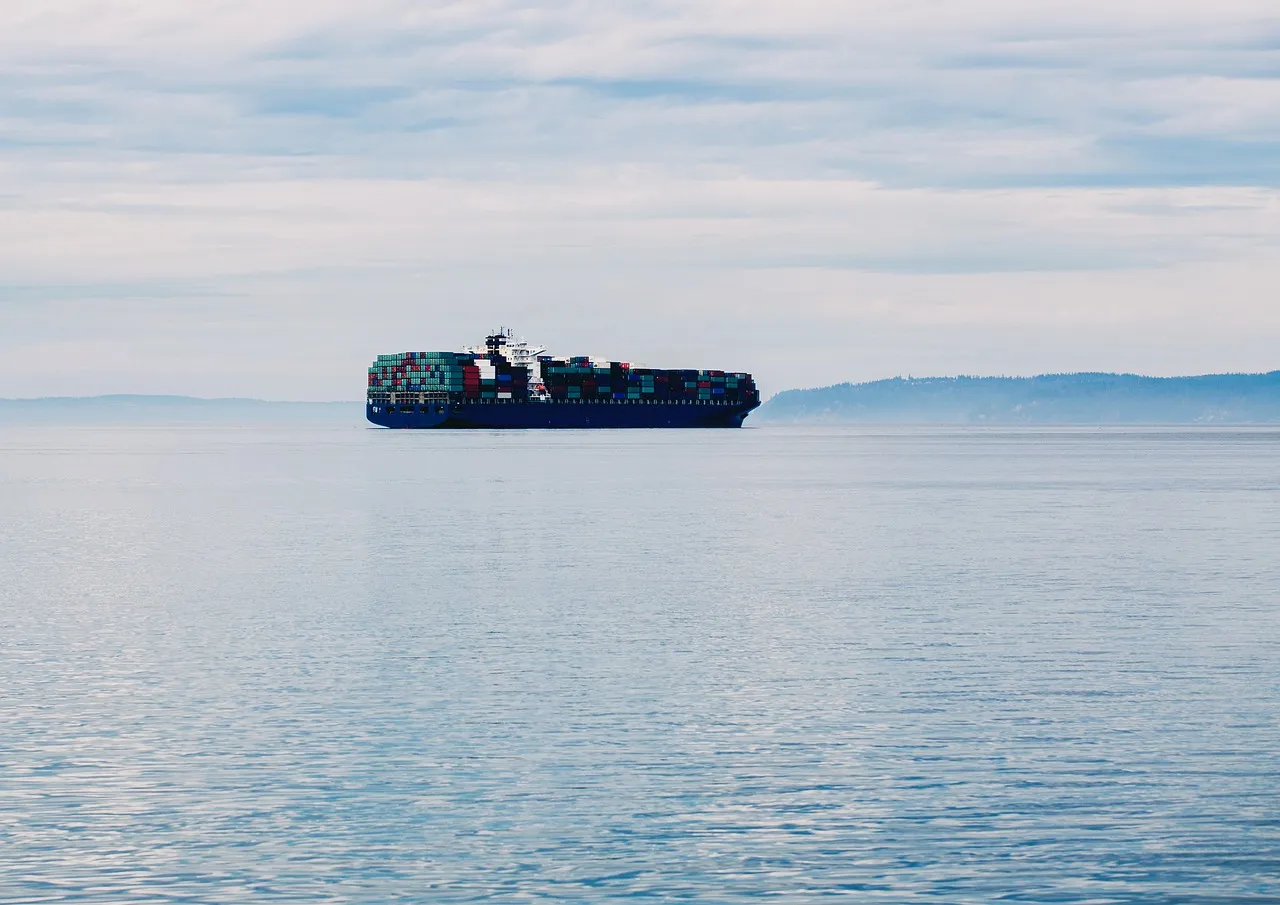
Simply put, re-export trade is when an enterprise first purchases goods from one country or region, and then, without substantial processing, directly sells these goods to another country or region. For example, Zhongmaoda Company purchased a batch of distinctive handicrafts from Country A and then resold them to customers in Country B; this intermediary trade process is considered re-export trade. It acts like a "transit station" in the realm of trade, building a bridge for the circulation of goods between different markets.
Important Note
The key to re-export trade lies in utilizing factors such as market demand, trade policies, and price differences across various countries or regions to gain profit margins. By accurately grasping these differences, enterprises can operate flexibly on the international market stage, achieving an increase in their economic benefits.
II. Why Do Enterprises Choose to Engage in Re-export Trade?
- Market Expansion: For some enterprises, directly entering certain target markets might face numerous obstacles, such as high tariffs or strict trade barriers. However, through re-export trade, these impediments can be cleverly bypassed, allowing goods to be smoothly introduced into previously inaccessible markets, significantly broadening the enterprise's market reach. Just like Zhongmaoda Company, which originally had limited market share in a country with high tariffs, but through re-export trade, found new sales channels, and its market was effectively expanded.
- Gaining Price Advantages: Varying production costs and market supply-demand situations in different countries lead to potentially significant price differences for the same goods in different regions. Enterprises engaging in re-export trade thus have the opportunity to procure goods from lower-priced regions and sell them in higher-priced regions, thereby earning substantial profit margins from the price difference.
- Risk Diversification: The international market is ever-changing, and various political and economic factors can impact an enterprise's trade operations. Re-export trade allows for a more diversified business layout for enterprises, preventing them from putting all their "eggs" in one basket, effectively reducing risks brought about by fluctuations in a single market.
III. What Should Enterprises Pay Attention to When Engaging in Re-export Trade?
Firstly, it is essential to have a deep and thorough understanding of the trade policies of relevant countries and regions. Changes in trade policies can significantly impact re-export trade operations, such as tariff adjustments and import/export controls. Zhongmaoda Company, for example, assigns dedicated personnel to constantly monitor policy dynamics in various countries to promptly implement responsive measures and ensure the smooth conduct of business.
Secondly, the logistics aspect is crucial. Re-export trade involves the transportation and circulation of goods between different countries, requiring efficient, smooth logistics and secure cargo. Choosing reliable logistics partners and rationally planning transportation routes are key aspects enterprises need to consider.
Furthermore, risk management cannot be overlooked. While re-export trade serves to diversify risks, it also inherently carries certain risks, such as exchange rate fluctuation risks and market demand change risks. Enterprises must establish a comprehensive risk early warning mechanism and prepare contingency plans in advance to stand undefeated in the complex international market environment.
Conclusion: Re-export Trade, A New Opportunity for Enterprise Development
In summary, enterprises engaging in re-export trade possess numerous advantages but also face considerable challenges. However, as long as enterprises can fully understand its operating model, grasp all key aspects, and reasonably mitigate risks, they can achieve great success in the vast domain of re-export trade. Entrepreneurs, you might want to consider whether re-export trade can inject new vitality into your enterprise's development. We welcome everyone to discuss!

Recent Comments (0) 0
Leave a Reply