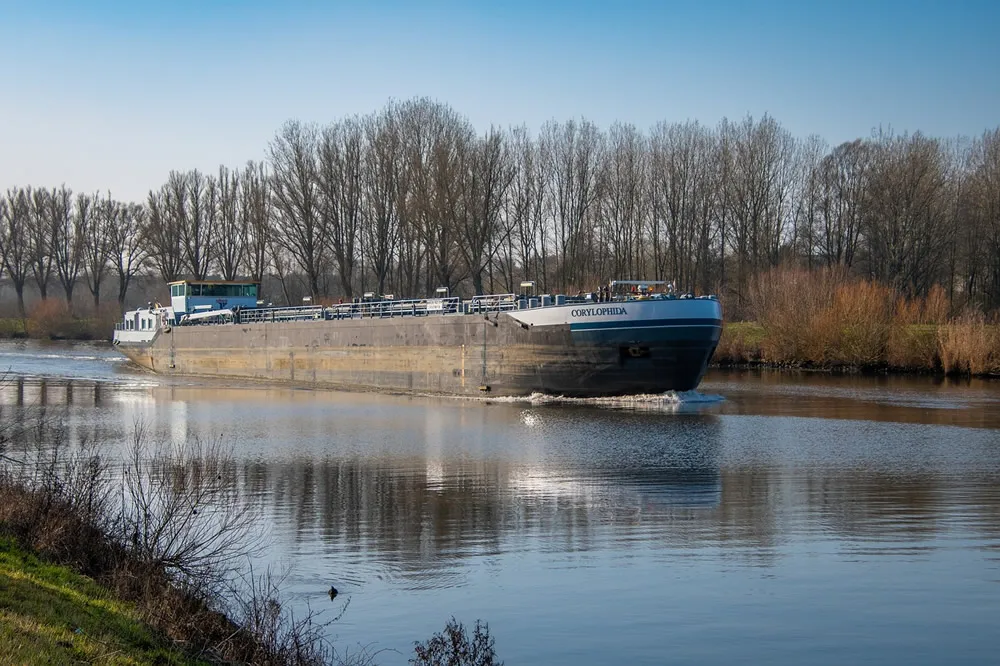
As a cargo ship laden with aluminum coils slowly departs from the port of Nanjing, few realize that these gleaming metal sheets are quietly reshaping the global supply chain landscape. According to industry data, the volume of aluminum coils traded through re-export in the East China region alone surpassed 8 million tons in 2023. Nanjing, with its unique geographical advantages and policy dividends, is becoming the core transit point for this "metal drift."
Why do global buyers love Nanjing aluminum coils?
In the Zhangjiagang Bonded Area warehouse, Mr. Jiang points to aluminum coils marked with different country codes and explains: "For the same specifications of 5052 aluminum alloy, re-export from Nanjing is 12%-15% cheaper than direct supply, and the delivery cycle can be shortened by 20 days." This cost-effectiveness advantage stems from three key factors:
- The Yangtze River's deep-water port allows 100,000-ton class cargo ships to reach directly.
- The bonded area's "one-day tour" model saves 17% of VAT.
- Within a 200-kilometer radius, 60% of the country's aluminum processing enterprises are concentrated.
The Invisible Rules of Re-export Trade
Mr. Jiang trading company recently completed a re-export order to Vietnam. She revealed that the intricacies of this industry are far more complex than imagined:
- Turkish buyers prefer aluminum coils with an oil content of ≤5mg/m².
- Middle Eastern orders must be accompanied by Halal certification.
- European clients will require carbon footprint traceability documents.
Even more subtle are the currency exchange operation techniques. When the RMB depreciates against the USD, re-export traders often adopt a "USD quotation + RMB settlement" combination strategy, utilizing offshore accounts to achieve arbitrage.
A Market with Both Reefs and Blue Oceans
Behind the seemingly booming business lie hidden risks. Last year, a batch of aluminum coils shipped to Mexico was rejected due to a thickness tolerance exceeding 0.01mm, resulting in the entire shipment being returned. A professional quality inspector warned: "The acceptance standards for re-export trade are often three grades stricter than domestic standards, especially when ASTM and EN standards conflict, dual inspection must be performed in advance."
However, emerging markets are opening up new opportunities. The construction of photovoltaic power stations in Africa has driven a 40% annual increase in aluminum coil demand, while Zhongmaoda's digital re-export platform has achieved online tracking of the entire process from inspection to customs clearance.
The Future Belongs to "Smart" Metals
Standing under the gantry crane at the port of Nanjing, watching containers being precisely hoisted onto cargo ships heading in different directions, one suddenly realizes that these aluminum coils are like "thinking" commodities. They understand:
- When to stay in a bonded warehouse for two more weeks to wait for the best exchange rate.
- How to choose a more economical route through the Strait of Malacca or the Cape of Good Hope.
- How to load 8% more cargo by changing packaging methods.
Perhaps next time you use an electronic product made in Vietnam or live in a Dubai building with a glass curtain wall, you can consider whether these materials have experienced the clever "transfer" at the port of Nanjing. Welcome to share your re-export trade cases in the comment section, or leave a message about the sub-sectors you would like to know more about. We will continue to delve deeper into the many secrets of this "metal maze."

Recent Comments (0) 0
Leave a Reply