In today's complex and ever-changing international trade landscape, a trade model is quietly playing a significant role: re-export trade. Today, let's delve deep into the re-export trade model and unveil its mysterious veil.
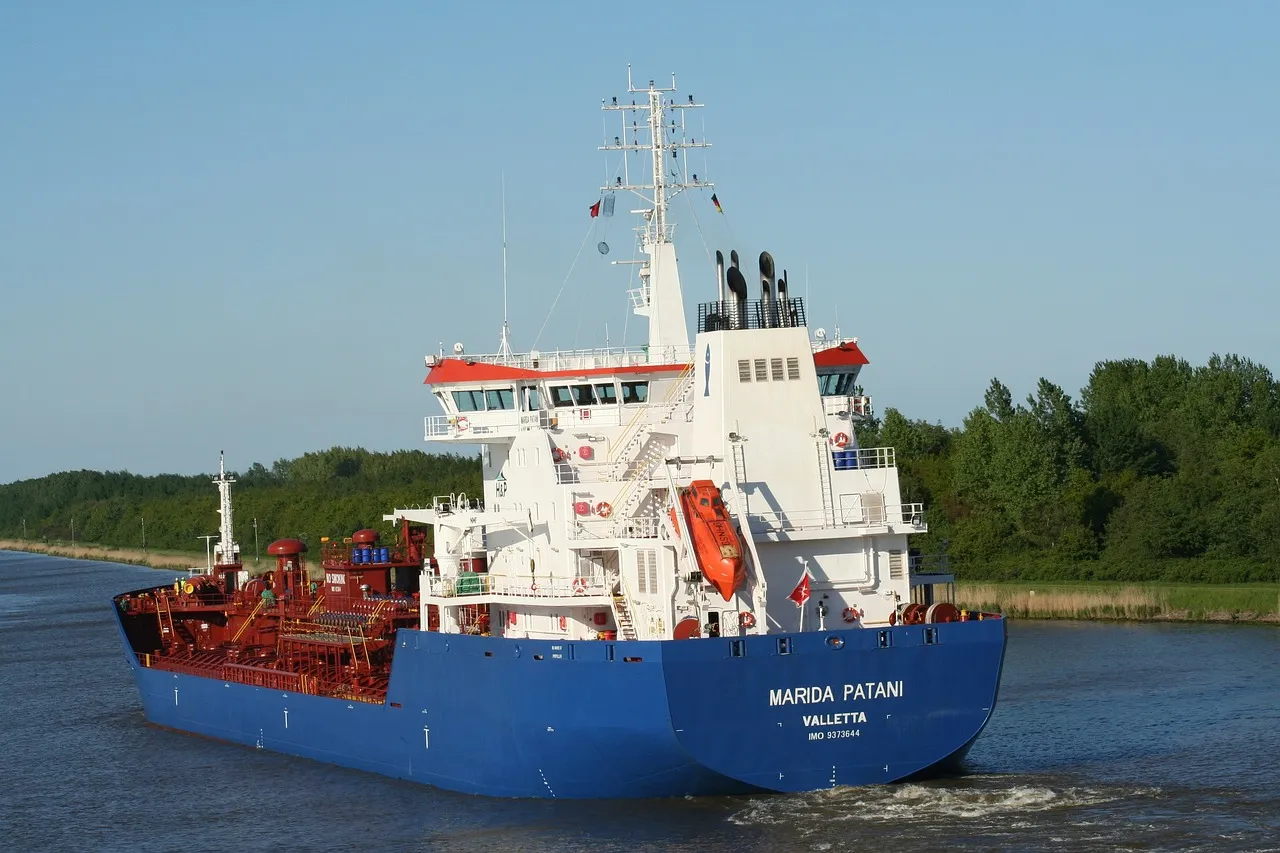
I. Basic Concepts of the Re-export Trade Model
Re-export trade, simply put, is a trading method where the goods-producing country sells goods to a re-export trader, and then the re-export trader resells the goods to a consuming country. It's not a direct transaction between the producing country and the consuming country. For example, Country A produces a batch of specialty goods, Mr. Lou re-export trading company purchases them, and then resells them to customers in Country B who have a demand. This is where the operation of the re-export trade model comes into play.
II. Advantages of the Re-export Trade Model
- First, it can effectively circumvent trade barriers. When there are trade obstacles such as high tariffs or quota restrictions between producing and consuming countries, re-export traders can cleverly bypass these obstacles through reselling operations in a third location, allowing goods to circulate smoothly. It's like finding a detour path between two areas separated by high walls.
- Second, it can reduce trade risks. In a rapidly changing international market, re-export traders can leverage their resources and experience to comprehensively assess and control factors such as demand in different markets and price fluctuations. For instance, Mr. Lou re-export trading team will conduct market research to anticipate potential price drops for certain goods in the consuming country, thereby timely adjusting procurement and sales strategies to reduce overall trade risks.
- Furthermore, it helps expand markets. Re-export traders often possess extensive business networks and channel resources, enabling them to promote goods from producing countries to more consuming markets that were previously difficult to reach, opening up new sales channels for manufacturing enterprises and achieving a win-win situation.
III. Operational Process of the Re-export Trade Model
Generally, the operational process of the re-export trade model is as follows: The first step is for the re-export trader to reach a procurement agreement with the supplier in the producing country, determining details such as the type, quantity, and price of the goods; the second step is to arrange transportation of the goods from the producing country to the transit point where the re-export trader is located; the third step involves the re-export trader potentially performing necessary processing, packaging, and quality inspection of the goods at the transit point; the fourth step is to sign a sales contract with the customer in the consuming country and ship the goods to the consuming country, completing the entire re-export trade process. Throughout this process, every link requires meticulous arrangement and control to ensure the smooth execution of re-export trade.
IV. Challenges Faced by the Re-export Trade Model
Of course, the re-export trade model is not without its challenges. On the one hand, logistics and transportation links may experience delays, cargo damage, and other issues. This requires re-export traders to choose reliable logistics partners and implement risk prevention measures during cargo transportation. On the other hand, laws, regulations, and trade policies vary across different countries, necessitating re-export traders to constantly monitor and ensure their trade activities comply with relevant regulations; otherwise, they may face risks such as fines or cargo seizure. For example, some countries have strict certification requirements for the import of specific goods, and if re-export traders do not make the necessary preparations, transactions may be hindered.
The re-export trade model holds a unique position and role in international trade, bringing both numerous opportunities and considerable challenges. We hope that today's discussion has provided everyone with a clearer understanding of the re-export trade model. So, what other questions or insights do you have about the re-export trade model? Feel free to leave a comment and share, let's delve deeper into this interesting topic together!

Recent Comments (0) 0
Leave a Reply