Mr. Kong has been very troubled recently. His cross-border e-commerce orders have surged, but because his company lacks import and export rights, he has to pay high agency fees for every order; Mr. Kong factory received overseas inquiries but was forced to give up orders due to a lack of qualifications... How do you apply for **import and export rights**? Today, we will break down this "foreign trade customs clearance code" in the most straightforward language.
I. Why are Import and Export Rights Considered the "Second Business License" for Enterprises?
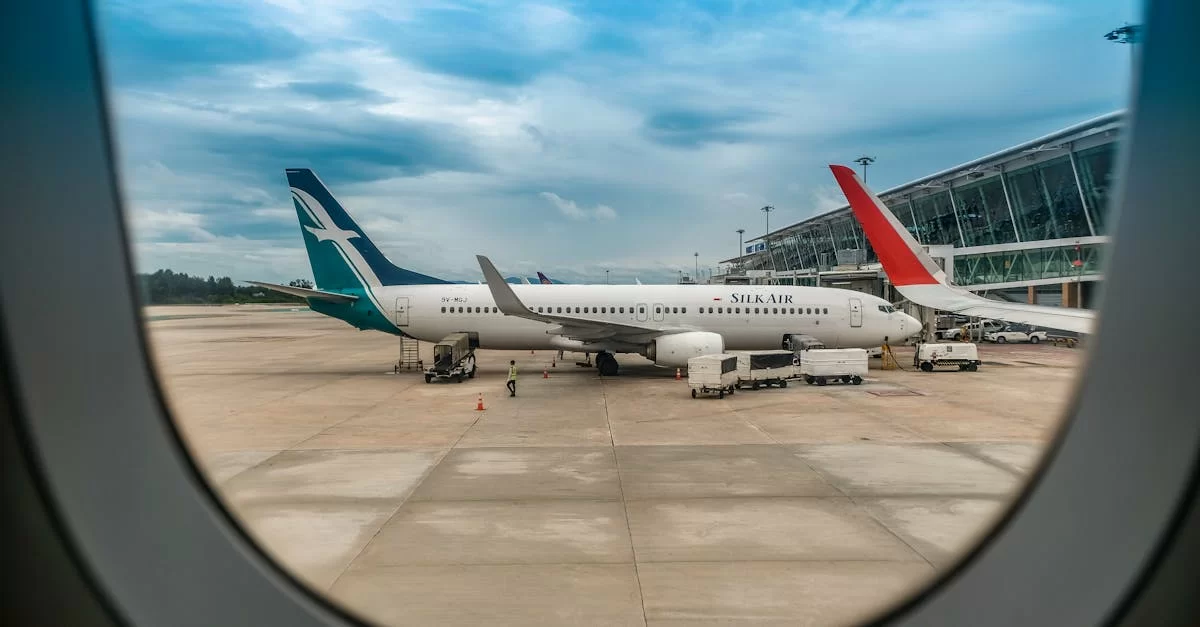
Having import and export rights means:
- Directly receiving foreign exchange payments, reducing settlement costs by 30%+
- Self-declaring customs to avoid agency fees, saving 500-2000 yuan per shipment
- Enjoying export tax rebates, potentially increasing profits by 8%-15% in some industries
Zhongmaoda foreign trade consultants reveal that 90% of businesses recoup their processing costs within 6 months of application.
II. Illustrated Guide to the Five-Step Customs Clearance Process
Step 1: Business License Amendment
Go to the Administration for Market Regulation to add "import and export of goods" or "import and export of technology" to your business scope. Required documents include:
- Amendment to the Articles of Association
- Shareholder Resolution
- Latest Business License (original and duplicate)
This is usually completed within 3 working days.

Step 2: Foreign Trade Operator Registration
Log in to the Ministry of Commerce's business system and submit:
- Registration Form
- Copy of Legal Representative's ID Card
- Duplicate of Business License
After system approval, you will receive the Foreign Trade Operator Registration Form.
Step 3: Customs Registration
Register through the "China International Trade Single Window" to obtain a 10-digit customs registration code. Key points to note:
- Selection of consignor/consignee type for import and export goods
- Requirements for engraving customs declaration seals
Step 4: Foreign Exchange Administration Registration
Take the aforementioned documents to the foreign exchange administration to activate your foreign exchange account and complete "Enterprise Directory" registration. This is a crucial step for receiving foreign exchange!
Step 5: Electronic Port Card Application
Apply for an IC card at your local Electronic Port Data Center. This includes:
- Legal Representative Card
- Operator Card
- Card Reader
The entire process takes approximately 15-30 working days, with costs ranging from 2000-4000 yuan.
III. Pitfall Guide: Traps Sprung on 90% of Businesses
1. Omitted Business Scope Items: Failure to add "technology import and export" leads to obstacles in software outsourcing business.
2. Overdue Annual Customs Reporting: Annual reporting of customs declaration unit registration information is due by June 30th each year.
3. Incorrect Foreign Exchange Account Operations: Failure to promptly report advance payments for goods may trigger risk control measures.
Zhongmaoda's case studies show that engaging professional agents can achieve a pass rate of up to 98%, while self-application often leads to repeated corrections due to incomplete materials.
IV. Act Now, Seize the New Foreign Trade Frontier
Since the RCEP agreement came into effect, orders from ASEAN countries have increased by 47% year-on-year. Consider this test:
- If a customer suddenly requests an FOB quotation, can you handle it?
- If an overseas client wants to pay directly in USD to your company account, do you dare to accept it?
Leave a comment in the comment section with your [Industry + City] to receive localized application strategies. The sooner you get the certificate, the sooner you can harvest the benefits of the international market!

Recent Comments (0) 0
Leave a Reply