Under the wave of economic globalization, more and more trading companies aspire to expand into international markets, and handling import and export business is like holding the key to unlock the door to global trade. Today, let's delve into the matters related to trading companies handling imports and exports.
Preparatory Work Before Handling
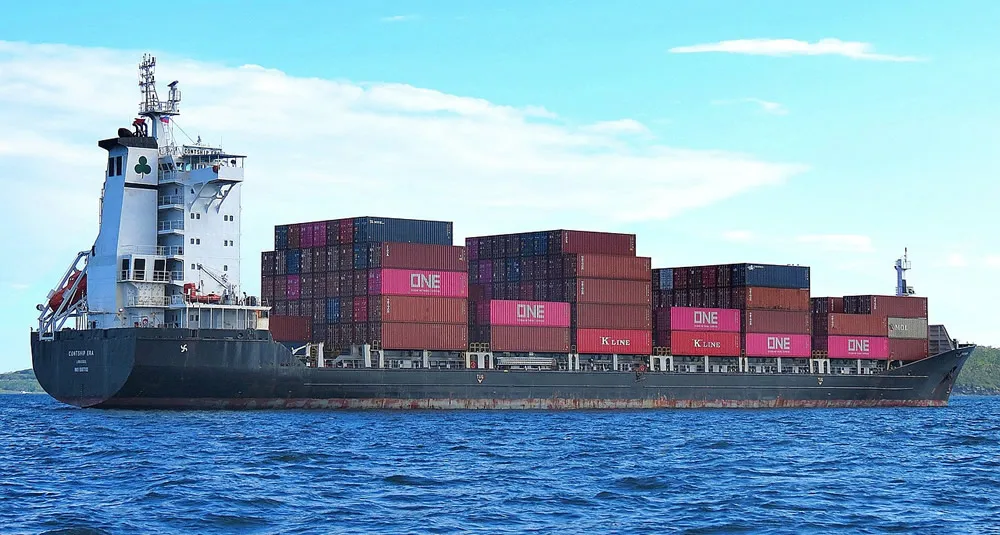
For trading companies, the first step is to clarify their business positioning and development direction. For example, whether to focus on importing and exporting a certain type of product or to diversify operations across different categories. Taking Mr. Tang trading company as an example, they initially decided to focus on the export of electronic products, and all preparations needed to be made around this positioning.
Next, companies need to possess legal operating qualifications, complete industrial and commercial registration, and obtain the corresponding business license. At the same time, tax registration is also an indispensable part to ensure the company operates compliantly in terms of taxation.
Qualification Application and Certification
The filing and registration of foreign trade operators is a crucial step. Trading companies need to log in to the official websites of relevant government departments, fill out and submit the application form for foreign trade operator filing and registration, and provide various documents as required, such as a copy of the business license and proof of identity of the legal representative. Only after completing this registration can the company legally engage in import and export business.
Customs filing is also important. Companies must apply for filing with the local customs to become a customs-registered enterprise. This process requires submitting documents such as a copy of the company's legal person business license and a copy of the foreign trade operator filing and registration form. After customs filing, companies can smoothly carry out import and export declarations for goods.
In addition, depending on the nature of the products, other specific qualifications and certifications may be required. For example, Mr. Tang trading company, which is engaged in food import business, must obtain qualifications such as a food business permit and registration of overseas food production enterprises to ensure food safety and comply with domestic market access requirements.
Import and Export Process Operations
The import and export of goods involve a series of specific operational processes. For exports, companies must first sign contracts with foreign customers and confirm order details. Then, arrange production, procure goods, and complete inspection and quarantine procedures. After that, prepare customs declaration documents and declare exports to the customs. Once the goods are released, arrange transportation and collaborate with freight forwarding companies to ensure the goods arrive at the foreign customer's hands on time and safely.
The import process is similar but in the opposite direction. Companies must first sign import contracts with foreign suppliers, then arrange for cargo transportation and transportation insurance. Before the goods arrive at the port, prepare customs declaration documents to declare imports to the customs. After customs inspection and taxation, the goods are released, and the company picks up the goods and arranges domestic transportation and subsequent sales.
Subsequent Management and Risk Response
After trading companies handle import and export business, they must carry out subsequent management work. This includes statistics and analysis of import and export data to adjust business strategies in a timely manner. At the same time, it is necessary to closely monitor international market dynamics and changes in trade policies. For example, fluctuations in international exchange rates may affect the company's costs and profits, and changes in trade policies may lead to changes in tariffs or market access conditions. Companies need to establish an effective risk early warning mechanism and formulate response strategies in advance to reduce the impact of risks on their business.
In summary, although the process of trading companies handling import and export business is complex, as long as they prepare meticulously and implement step by step, they can make great strides on the global trade stage and usher in a new chapter of development. We hope that all trading companies can successfully embark on the path of import and export trade and achieve their business goals.

Recent Comments (0) 0
Leave a Reply