On the vast stage of international trade, re-export trade arbitrage is like a mysterious and glittering pearl, attracting the attention of numerous traders and investors. Imagine cleverly leveraging market differences across various regions to unearth hidden profit margins in the flow of goods. Doesn't that sound both exciting and tempting? Today, let's together unveil the mystery of re-export trade arbitrage and delve deep into its secrets.
The Basic Principles of Re-export Trade Arbitrage
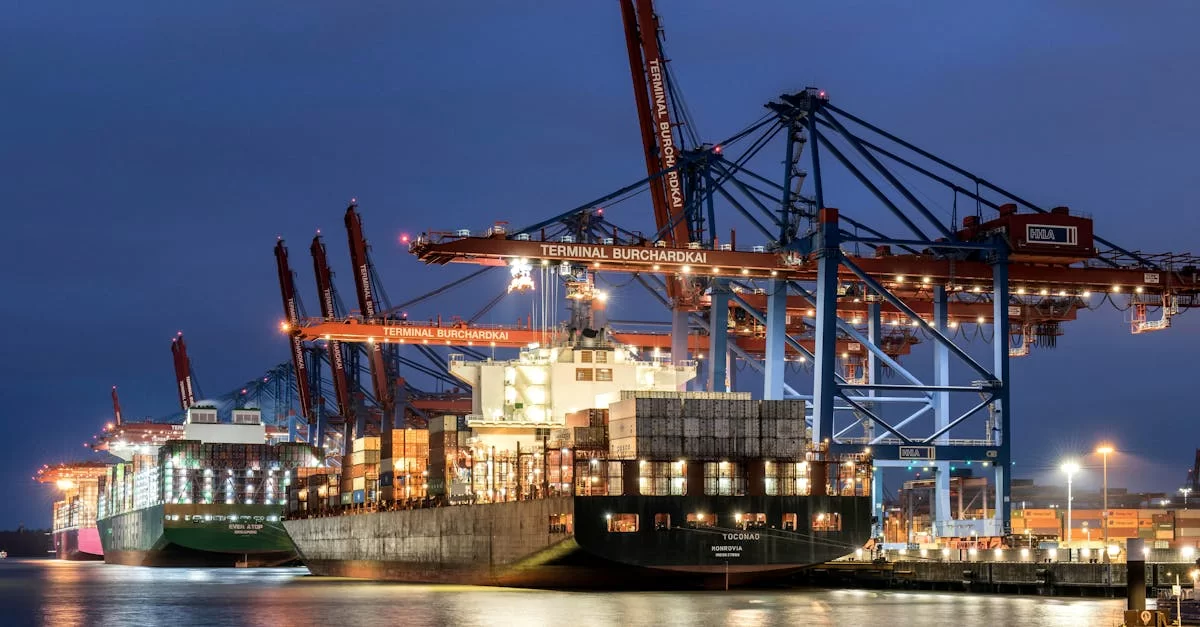
Re-export trade, simply put, is trade where the producing country and the consuming country do not engage in direct buying and selling transactions, but rather conduct trade through a third country. Arbitrage, on the other hand, involves exploiting price differences between different markets, buying low and selling high to make a profit. Take Mr. Qiu as an example. He discovered that a certain electronic product in Country A had a lower production cost, while Country B had strong demand for the product and higher prices. Meanwhile, Country C possessed advantageous logistics and policy benefits. Thus, Mr. Qiu procured products from Country A, transported them to Country C for some simple processing or repackaging, and then sold them to Country B, earning the price difference between the two countries through this method.
Advantages of Re-export Trade Arbitrage
Firstly, it can effectively circumvent trade barriers. For instance, some countries have high tariffs or quota restrictions between them. Through re-export trade, one can leverage the relatively relaxed trade policies of a third country to smoothly deliver goods to the target market. Secondly, re-export trade arbitrage can fully utilize global resource allocation. Different countries vary in resources, labor costs, and other aspects. Traders can integrate these advantages to reduce procurement costs and enhance product competitiveness. Furthermore, re-export trade can diversify market risks. When major export markets experience economic fluctuations or trade disputes, business stability can be maintained by expanding into other markets.
Challenges Faced by Re-export Trade Arbitrage
However, re-export trade arbitrage is not always smooth sailing. On one hand, re-export trade involves multiple countries and regions. Each country has different policies, regulations, trade practices, and cultural backgrounds. This requires traders to possess extensive international trade knowledge and keen market insights to stay updated on policy changes and avoid losses due to policy adjustments. On the other hand, the complexity of logistics is also a major challenge. As goods move between different countries, transportation time, storage costs, and cargo security all require meticulous planning. Any problem in a single link could affect the implementation of the entire arbitrage plan. Furthermore, re-export trade arbitrage also faces the risk of exchange rate fluctuations. Unstable exchange rates can significantly reduce anticipated profits.
How to Conduct Re-export Trade Arbitrage
If you aspire to venture into the field of re-export trade arbitrage, you must first conduct thorough market research to gain a deep understanding of market demands, price levels, and trade policies in various countries. Collaborating with professional trade agent companies is also an excellent option. Companies like Zhongmaoda possess extensive experience and a broad network of resources and can provide you with one-stop services. From cargo procurement and transportation to sales, they can comprehensively assist you in conducting your business. Concurrently, it is crucial to establish a robust risk management system, closely monitor factors like exchange rate fluctuations and policy adjustments, and formulate contingency strategies in advance to ensure the smooth progress of your arbitrage plan.
Conclusion: Seize Opportunities, Proceed Cautiously
Re-export trade arbitrage offers a unique path to wealth creation for trade professionals and investors, but it also comes with numerous risks and challenges. In this field full of opportunities and variables, only those with keen market insights, solid professional knowledge, and comprehensive risk management capabilities can ride the waves of re-export trade arbitrage and achieve wealth growth. Are you ready to take on this challenge? Feel free to share your thoughts in the comments section, and let's explore more possibilities of re-export trade arbitrage together.

Recent Comments (0) 0
Leave a Reply