“Mr. Tian recently imported a batch of precision instruments from Japan, but it was held up by customs for a full two weeks, with daily port detention fees close to ten thousand yuan…” Such stories are common at the port of Ningbo. As an important international trade hub in the Yangtze River Delta, Ningbo Port handles over 2 million TEUs of imported goods annually, but the complex customs clearance process troubles many enterprises. This article will lift the veil on the “black box” of import agency customs clearance and tell you how to make your goods pass through customs as smoothly as sliding down a chute.
Why Does Ningbo Import Customs Clearance Always Make People's "Hearts Race"?
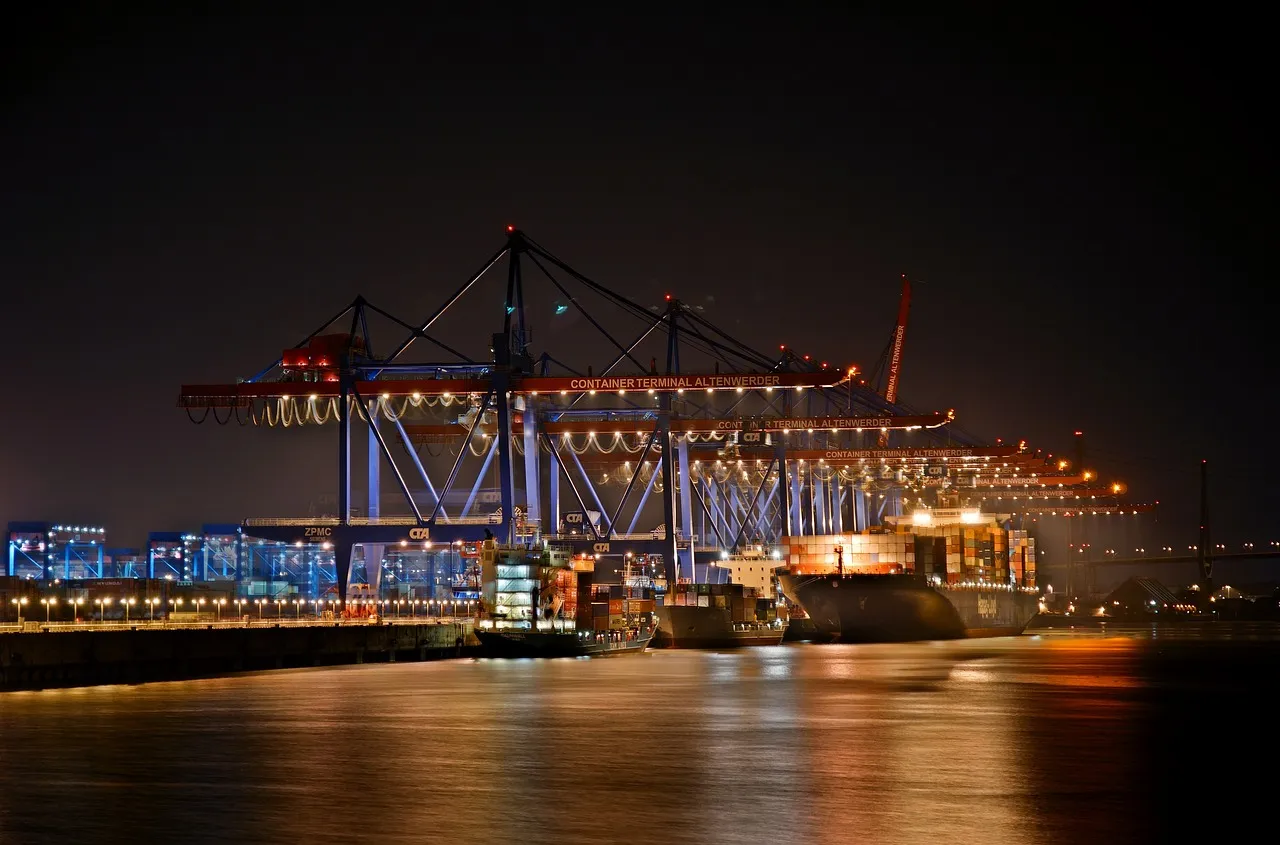
Import customs clearance at the port of Ningbo involves 17 key links, from document review and commodity classification to tax calculation, each of which can become a “bottleneck”. Mr. Tian's imported cosmetics were once detained for inspection due to incorrect HS code classification. The value of a professional agency lies in resolving these hidden dangers through proactive risk forecasting and dynamic tracking systems.
- Document Trap: Certificates of origin, sanitary permits, and 8 other types of documents are indispensable.
- Classification Minefield: Different materials for the same product can lead to a 300% difference in tariffs.
- Time Sensitivity Game: For fresh goods, the loss rate increases by 5% for every day of delay.
The "Customs Clearance Codebook" of Professional Agencies
Zhongmaoda's case database shows that 90% of customs clearance delays stem from three types of errors made during self-declaration by enterprises:
- Using trade terms instead of standardized product names (e.g., writing "AI box" for "smart device")
- Underestimating customs appraisal standards (import car declared price is 30% lower than market price, triggering verification)
- Ignoring regulatory document requirements (import food without quarantine approval)
Professional agencies establish a commodity database, storing customs clearance parameters for over 50,000 commodities. Coupled with the customs clearance convenience of AEO-certified enterprises, the average customs clearance time can be compressed to within 8 hours.
Three Steps to Avoid the "Deep Water Zone" of Customs Clearance
Want to replicate this efficient customs clearance? Remember this golden formula:
- Preliminary Pre-classification: Obtain a pre-classification decision letter 3 months in advance.
- Documentary Blockchain Evidence: Solidify the authenticity of trade with timestamps.
- Customs Clearance Scenario Simulation: Deduce potential inspection points through historical cases.
Your Goods Deserve a Smarter Way to Clear Customs
As the container cranes at Ningbo Port operate day and night, are your goods still waiting in line for manual review? Professional customs clearance is not a cost but an investment; it hedges the uncertainty risks of international trade with certainty. Feel free to share your customs clearance experiences in the comment section, or send a private message to get a personalized customs clearance solution – ensuring every cross-border expectation arrives as scheduled.

Recent Comments (0) 0
Leave a Reply