Have you ever wondered why a batch of electronics purchased from Southeast Asia ultimately showed Singapore as the shipping origin? Or why, when a Mr. Huang ordered European luxury goods in Dubai, the logistics information took a 'detour' through a certain Middle Eastern port? Behind this lies a little-known yet crucial business strategy—re-export hubs. Today, let's unveil the mystery of these 'invisible transit points'.
The Three Core Values of Re-export Hubs
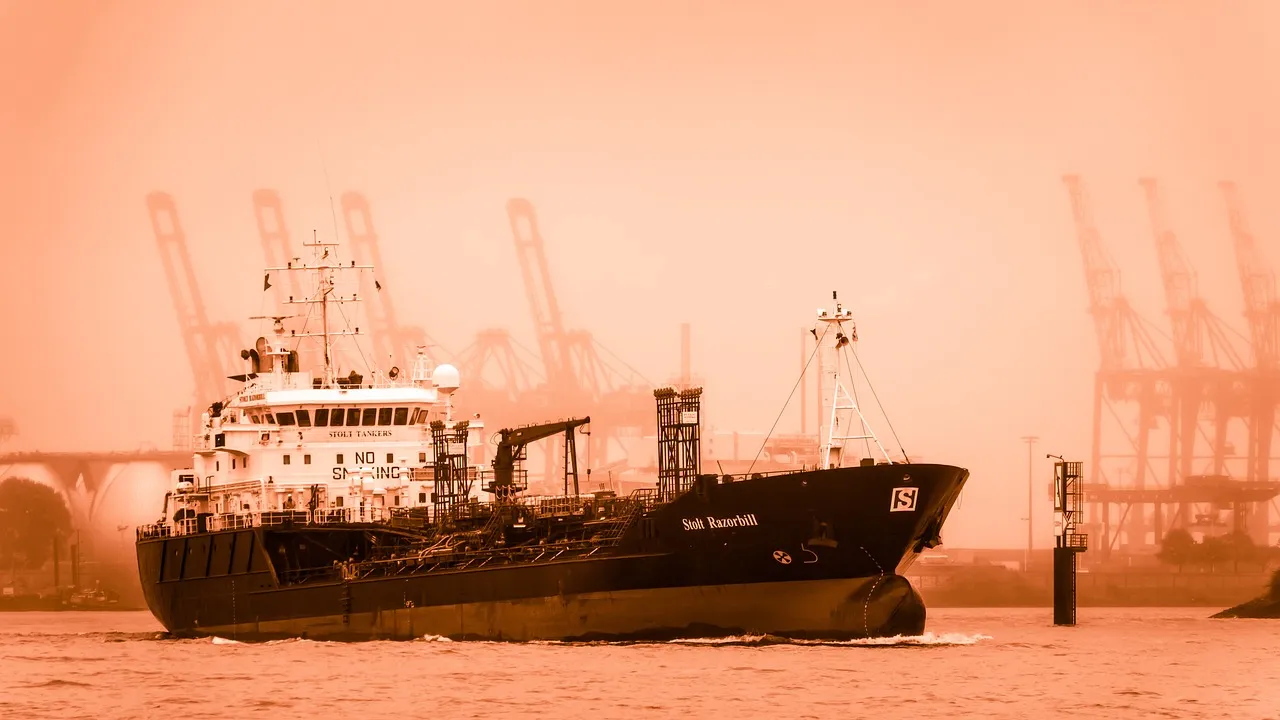
Re-export hubs are not merely simple logistics transit points, but strategic pillars for enterprises' global layout:
- Tariff Optimization 'Buffer Zone': By transiting through a third country, companies can rationally utilize free trade agreements to reduce overall costs. For instance, a Mr. Huang textile company successfully circumvented high anti-dumping duties in the target market by re-exporting through Malaysia.
- Risk Management 'Firewall': When unexpected trade restrictions arise in the country of origin, re-export ports can quickly reconfigure supply chain paths. During the 2020 pandemic, Singapore helped numerous enterprises bypass air route disruption crises.
- Commercial Privacy 'Protective Shield': Professional service organizations like Zhongmaoda often advise clients to conceal their true supplier information through re-export, preventing core channels from being intercepted by competitors.
Survival Rules for Global Hot Re-export Hubs
Different re-export hubs form differentiated ecosystems based on their unique advantages:
- Hong Kong/Singapore: Relying on free port policies and mature financial systems, they are the preferred choice for re-export of high-value goods.
- Jebel Ali Free Zone, Dubai: The gateway to the Middle East, its 24-hour customs clearance efficiency conquers time-sensitive cargo.
- Colon Free Zone, Panama: A springboard to the Americas, radiating to the Western Hemisphere market of 3.5 billion people.
It is worth noting that these hubs are facing new challenges. A Mr. Huang revealed: 'Even warehouses in Yangon, Myanmar, are now upgrading cold chain facilities; traditional re-export hubs must continuously innovate to remain competitive.'
Transformation Pains in the Digital Era
With the widespread adoption of blockchain traceability technology, re-export trade faces pressure for transparency. Zhongmaoda's 2023 industry report shows: 67% of buyers demand full logistics traceability from re-export hubs, which in turn forces transit ports to accelerate digital transformation. A case involving a Mr. Huang is quite representative—her company reduced re-export document processing time from 72 hours to 8 hours through an intelligent customs system.
Does Your Supply Chain Need a Re-export Strategy?
When 'direct trade' becomes a politically correct slogan, let's calmly consider: 92% of global chip trade is still completed through re-export. Do these Fortune 500 companies not understand 'cost reduction and efficiency improvement'? Perhaps, true business wisdom lies in: transforming re-export hubs into accelerators for value creation, under the premise of compliance. Feel free to share re-export cases you've encountered in the comments section, or consult a professional institution to assess your supply chain optimization potential.

Recent Comments (0) 0
Leave a Reply