Against the backdrop of global economic integration, for production enterprises, obtaining import and export rights is akin to receiving an "entry ticket" to a broader market. Imagine your enterprise no longer being confined to the domestic market but being able to directly connect with the international market, expand sales channels, and increase potential customer base. This undoubtedly brings infinite possibilities for the enterprise's development. Not only that, but possessing import and export rights also allows enterprises to have more options in raw material procurement, sourcing high-quality and reasonably priced raw materials from the international market, thereby enhancing product competitiveness. So, how exactly should production enterprises apply for import and export rights?
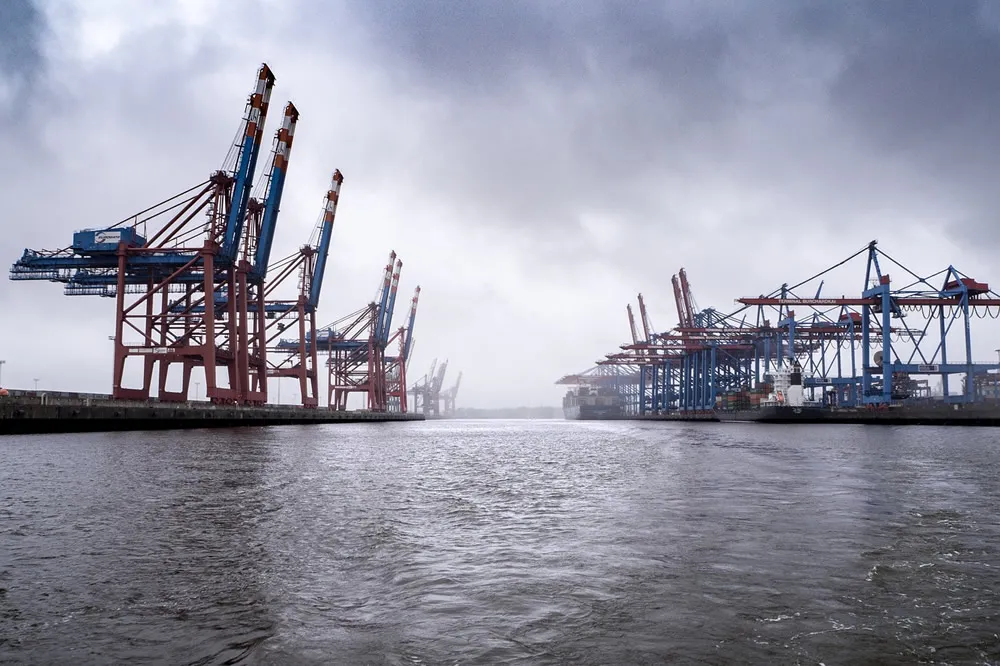
Process for Obtaining Import and Export Rights
Firstly, enterprises must complete the foreign trade operator registration. This step is like a "status registration" for the enterprise in the field of international trade. Enterprises need to log in to the unified platform of the Ministry of Commerce business system, fill out the foreign trade operator registration form online, upload required documents such as a copy of the business license and a copy of the legal representative's ID card, and after successful submission, await review, which is generally completed within 3-5 working days.
Next is customs registration. Enterprises need to log in to the China International Trade Single Window, access the "Enterprise Qualifications" module, fill in the customs registration information, including basic enterprise information, customs declaration personnel information, etc., and upload scanned copies of relevant documents stamped with the company's official seal. After customs approval, the enterprise will obtain the qualification for registration as a consignor/consignee of import and export goods, meaning the enterprise is authorized to handle import and export procedures with customs.
Then comes electronic port access. The electronic port is like an "online operational platform" for enterprises to conduct import and export business. Enterprises must go to the local electronic port data sub-center to complete the access procedures, submitting documents such as the China Electronic Port Enterprise Information Registration Form and the China Electronic Port Enterprise IC Card Registration Form, and paying relevant fees. Upon completion, enterprises will receive a legal person card and an operator card. Through these two cards, enterprises can perform a series of business operations such as customs declaration, inspection declaration, and tax refund on the electronic port platform.
Precautions During the Application Process
Ensure all materials are complete and accurate. Any missing or incorrect document can lead to delays in the application process. For instance, Mr. Cao enterprise had its foreign trade operator registration returned for resubmission because the copy of the business license was not stamped with the company seal, causing a significant delay.
Properly plan the processing time. The review times vary across different departments. Enterprises should understand this in advance and formulate a reasonable application plan to avoid impacting business operations due to poor time management. Mr. Cao enterprise, for example, experienced a delay in electronic port access because they did not inquire about the customs registration review period in advance, which affected their product export plans.
With the continuous development of global trade, obtaining import and export rights for production enterprises has become an inevitable trend. It not only brings more business opportunities to enterprises but also enhances their overall strength. If your production enterprise has not yet obtained import and export rights, it is advisable to take action, seize this development opportunity, and let your enterprise shine on the international market stage.

Recent Comments (0) 0
Leave a Reply