In the vast arena of international trade, agency export business plays a crucial role. For many enterprises and individuals, understanding the agency export flowchart is like holding a key to unlock new foreign trade opportunities. Today, let us delve deep into the agency export process and lift its seemingly mysterious veil.
I. Preliminary Preparation Stage
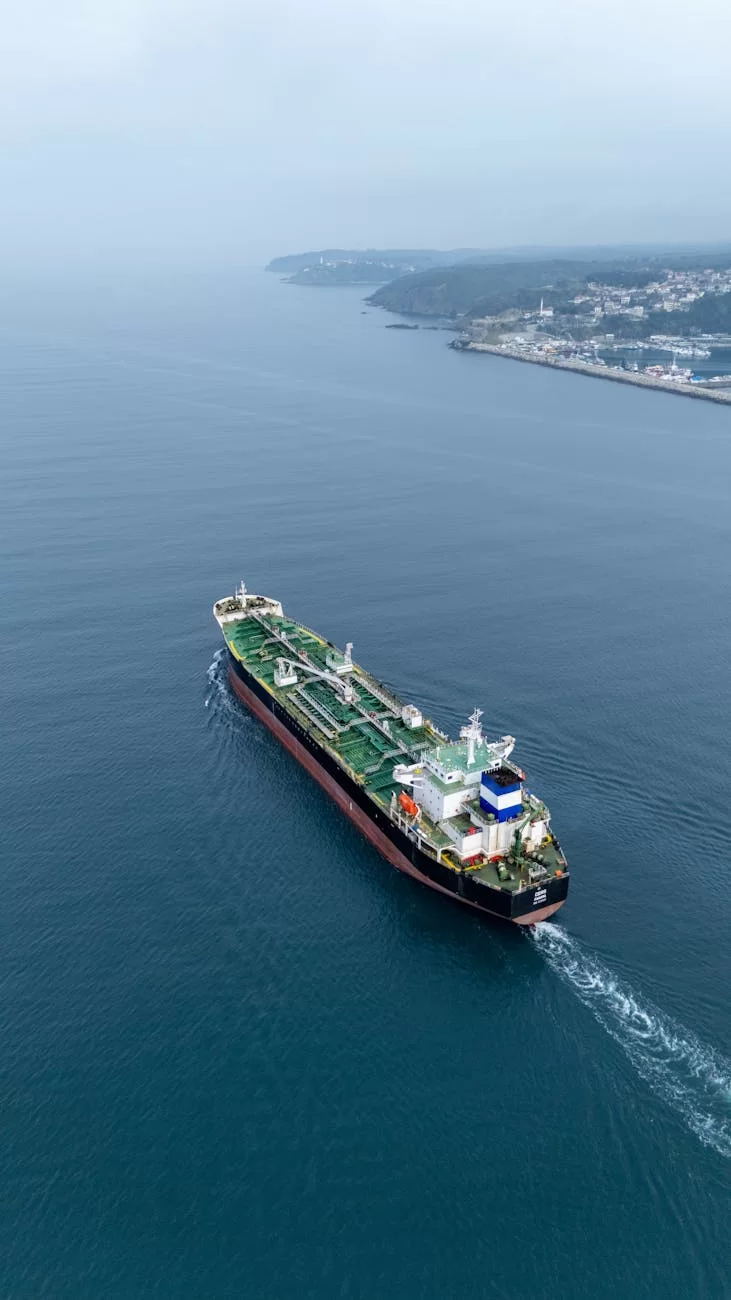
Finding a Suitable Agency Exporter: Just as Mr. Xiao wishes to expand into overseas markets, the first thing he needs to do is find a reliable agency exporter, such as Zhongmaoda, an enterprise with extensive experience and a good reputation. When selecting, it is important to assess their qualifications, credibility, and professional capabilities.
Signing the Agency Export Agreement: Once a suitable agency exporter is identified, both parties need to sign a detailed agency export agreement. This agreement will clearly define the rights and obligations of both parties, including important clauses such as agency fees, settlement methods, and the scope of exported goods. Mr. Xiao was particularly careful in reviewing every item when signing the agreement.
II. Order Receiving and Preparation Stage
Receiving Orders: After the agency exporter receives an order from overseas clients or domestic principals, they will promptly convey the detailed order information, such as product specifications, quantity, and delivery date, to the domestic manufacturing enterprise or supplier.
Preparation and Production: The domestic manufacturing enterprise will prepare and produce goods according to the order requirements. During this period, it is essential to ensure that product quality meets export standards and that production tasks can be completed on time to meet delivery deadlines.
III. Export Customs Declaration Stage
Preparing Customs Declaration Documents: The agency exporter will assist in organizing a series of documents required for customs declaration, such as the customs declaration form, commercial invoice, packing list, and certificate of origin. These documents must be accurate, as even a minor error can lead to customs clearance issues.
Customs Declaration and Submission: The prepared customs declaration documents are submitted to customs for declaration. Customs will conduct inspections and other related operations on the goods. If everything goes smoothly, the goods can be cleared and exported.
IV. Transportation and Delivery Stage
Arranging Transportation: The agency exporter is responsible for arranging suitable transportation methods, such as sea or air freight, to deliver the goods to the location specified by the overseas customer. During transportation, it is important to manage cargo tracking and insurance.
Delivering Goods: Upon arrival at the destination, the goods are delivered to the overseas customer according to the agreed-upon method, completing the entire export delivery process.
V. Settlement and Closing Stage
Settling Payment for Goods: In accordance with the settlement method specified in the agency export agreement, after receiving payment from the overseas customer, the agency exporter will deduct the corresponding agency fees and pay the remaining amount to the domestic principal, completing the fund settlement.
Document Archiving: Finally, the agency exporter will organize and archive all relevant documents from the entire agency export process for future reference and verification.
Understanding the agency export flowchart is crucial for enterprises and individuals interested in venturing into foreign trade. It not only enables you to conduct business in an orderly manner but also helps you avoid many unnecessary risks and troubles. We hope everyone can thoroughly study and master this process to embark on their own path to foreign trade success. So, are you ready to take this step?

Recent Comments (0) 0
Leave a Reply