Mr. Zou recently encountered a troublesome issue: his company's shipment of electronic components to Vietnam, transited through Singapore, had its payment temporarily withheld by the bank due to non-standard fund outflow procedures. This is not an isolated incident – Customs data from 2023 shows that 68% of re-export trade disputes are related to foreign exchange receipt and payment operations. This article will dissect the "implied yet unstated" fund operation secrets in re-export trade.
I. The Core Logic of Foreign Exchange Receipts and Payments in Re-export Trade
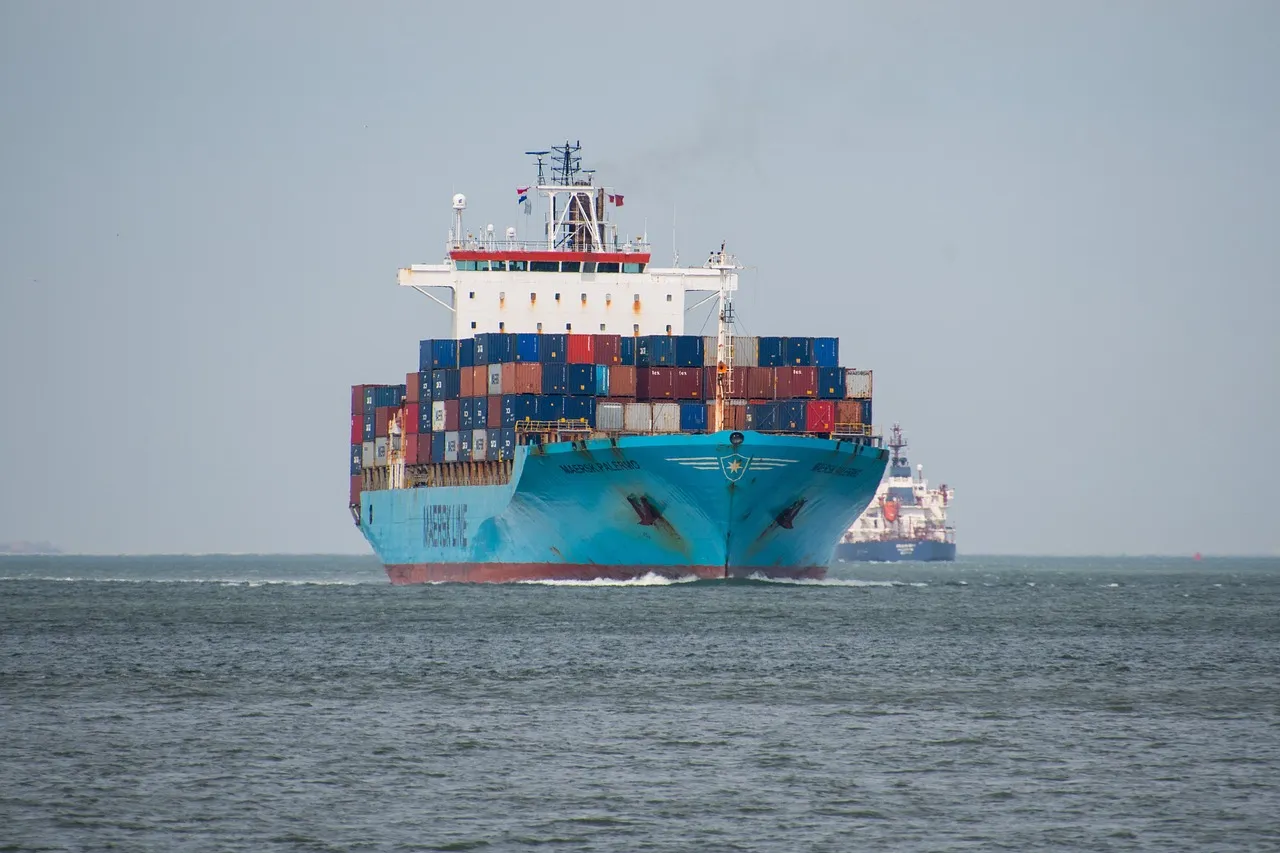
The essence of re-export trade is "goods not crossing borders, funds crossing borders." Its fund flow must adhere to three golden rules:
- The amount of foreign exchange receipts and payments must perfectly match the customs declaration documents.
- The flow of funds must conform to the characteristics of "third-party transit."
- Currency settlement must follow the principle of "who exports, who receives payment."
Mr. Zou lesson is typical: when transiting goods through her Hong Kong company, she had the Vietnamese buyer pay directly to a mainland account. As a result, due to the lack of a "triangular payment certificate" unique to re-export trade, her USD 200,000 in payment was frozen for three months.
II. Comparison of Four Mainstream Foreign Exchange Receipt and Payment Models
Model 1: Back-to-Back Letter of Credit
Best suited for bulk commodity transactions, forming a fund loop by issuing two LCs. A certain chemical enterprise used this model to transit propylene, compressing the settlement cycle from 45 days to 18 days through Zhongmaoda's L/C services.
Model 2: Offshore Account Transit
Establishing an SPV company in Hong Kong/Singapore to handle fund flows. Special attention must be paid to the retention of "three-in-one" supporting documents (referring to goods, funds, and invoice flow). A common mistake is mixing invoices for service trade and re-export trade.
Model 3: Cross-border RMB Settlement
Utilizing the CIPS system to avoid exchange rate risks, but requiring the transit location to be a country with an RMB clearing bank. After adopting this method, a certain machinery manufacturer reduced its foreign exchange costs by 1.7%.
Model 4: Blockchain Digital Bill of Lading
An emerging digital solution that automatically triggers payments through smart contracts. Pilot cases show that fund arrival speed has improved by 60%, but it requires the use of a certified electronic signature system to complement it.
III. Five Compliance Pitfalls to Avoid at All Costs
- Pitfall 1: Fabricating re-export trade background (banks will verify the match between the issuer of the bill of lading and the port of loading).
- Pitfall 2: Time difference between foreign exchange receipts and payments exceeding 180 days (requires prior reporting to the State Administration of Foreign Exchange).
- Pitfall 3: Relationship between the transit party and the transaction party (shareholding exceeding 25% requires additional disclosure).
- Pitfall 4: Misuse of trade terms (CIF transit must include freight apportionment clauses).
- Pitfall 5: Neglecting anti-money laundering screening (especially for re-exports involving the Middle East/Southeast Asia).
IV. Practical Advice: Build Your Fund Firewall
It is recommended that enterprises establish a "3+3" risk control system: 3 core documents (proforma invoice/packing list/proof of title transfer) + a 3-level review process (business department/finance department/external law firm). After implementing this system, a certain medical device company saw its foreign exchange receipt and payment error rate drop from 12% to 0.8%.
When Manager Wang successfully completed a USD 20 million re-export payment for the first time, he wrote in his memo: "The ultimate sense of security in re-export trade comes from being meticulous about every decimal point." Now it's your turn – click the "Re-export Trade Fund Flow Self-Assessment Form" below and avoid millions in compliance risks in 10 minutes.

Recent Comments (0) 0
Leave a Reply