Mr. Wang recently noticed a strange phenomenon: the electronic products manufactured by his factory are clearly sold to Southeast Asia, yet the containers first appear in a bonded warehouse in Dubai; Mr. Wang cross-border e-commerce orders are shipped from the United States, but the logistics information shows they pass through Singapore. Behind this lies a business model with an annual transaction volume exceeding trillions of yuan – re-export trade. Today, we will unveil the mystery of this "international trade transit hub."
What is Re-export Trade?
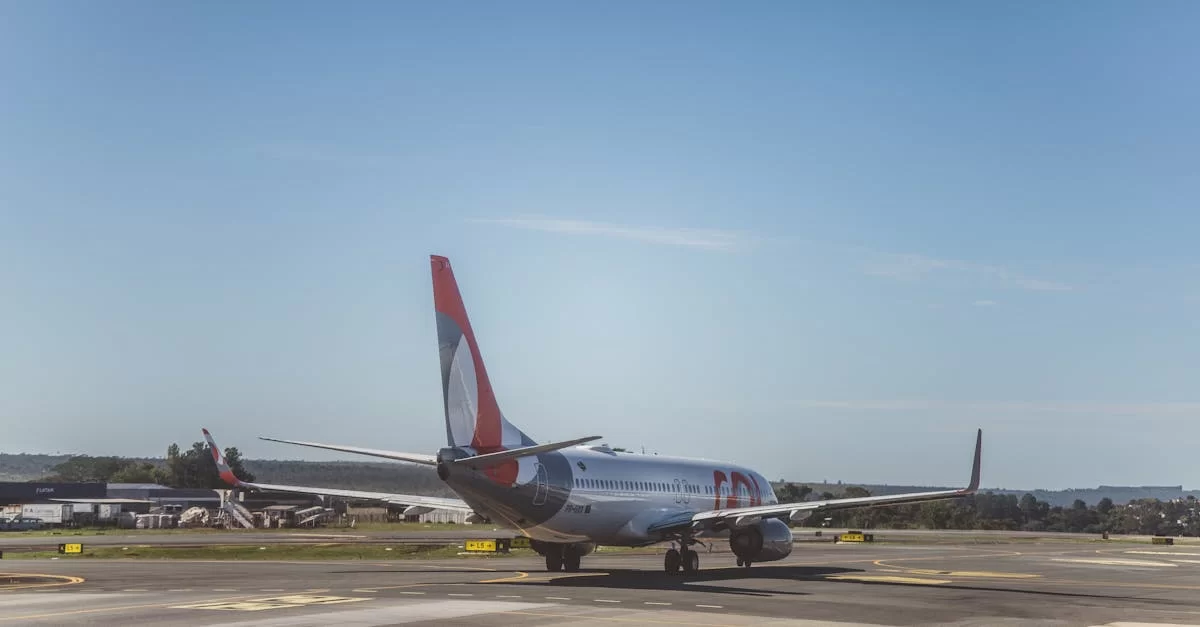
Simply put, re-export trade refers to the process where goods, in their journey from the country of production to the country of consumption, complete the "import and export" in a legal sense in a third country. For example, Chinese goods are re-exported to Europe via Singapore. The logistics route remains the same, but Singapore becomes the nominal exporter on the trade documents. This model can achieve:
- Circumventing target country tariff barriers (e.g., US tariffs imposed on China)
- Utilizing tax preferential policies of transit locations (e.g., zero tariffs in Hong Kong)
- Resolving foreign exchange controls or payment difficulties
Three Core Strategies of Re-export Trade
1. Separation of Document Flow and Goods Flow
The goods actually reach their destination directly, but through enterprises in the transit country issuing documents such as certificates of origin and commercial invoices, achieving "paper re-export." Zhongmaoda's case shows that a machinery manufacturer successfully reduced the end customer's import tariff from 25% to 8% through re-export via Malaysia.
2. Physical Transit in Bonded Zones
Utilizing the "outside customs territory within the territory" characteristic of free trade zones such as Dubai and Singapore, goods are temporarily stored for operations like container change and re-labeling. For example, a certain chemical product, after its packaging is changed in the Rotterdam bonded zone, can enter the African market with the status of EU origin.
3. Multi-country Consolidation and Splitting
Goods from different countries are consolidated and repackaged at the transit location, which not only complies with the requirements of regional trade agreements but also enjoys the advantages of scale transportation costs. It's like consolidating and exporting a container of Chinese clothing and Vietnamese shoes and hats from Singapore, reducing overall logistics costs by 18%.
The Balancing Act Between Risk and Compliance
While re-export trade can reduce costs and increase efficiency, it harbors three major pitfalls:
- Risk of "origin washing": If found to have false origin, heavy fines may be imposed.
- Abnormal fund flows: Frequent cross-border payments can trigger anti-money laundering reviews.
- Inconsistent logistics information: Data from bills of lading, manifests, and customs declarations must be logically consistent.
A certain cross-border e-commerce company had its entire batch of goods seized by the customs of the destination country because the declared product name in the re-export declaration did not match the actual goods, resulting in a loss of over 2 million US dollars. Professional advice is: the choice of transit location needs to be matched with the reasonableness of the logistics path. For instance, re-exporting to the United States via Hong Kong is more credible than via Myanmar.
Transformation Opportunities in the Digital Age
With the popularization of blockchain traceability technology, re-export trade is moving from "grey operations" towards transparency. Zhongmaoda's intelligent re-export system automatically matches the optimal transit location, generates compliant document packages, and monitors policy changes in various countries in real-time. It is estimated that 70% of re-export trade will be completed through such platforms in the next three years.
As global trade barriers continue to rise, re-export trade is like a commercial version of "finding a circuitous route to save the country." But remember: all ingenious detours must be built on a foundation of compliance. Does your industry also have such "hidden transit hubs"? We welcome you to share your experiences or questions about re-export trade.

Recent Comments (0) 0
Leave a Reply