On the complex and ever-changing international trade stage today, re-export trade has always been a field that attracts much attention. Baosteel re-export trade, in particular, possesses its unique charm and operational model. Today, let us delve deep into it together.
I. Basic Concepts of Baosteel Re-export Trade
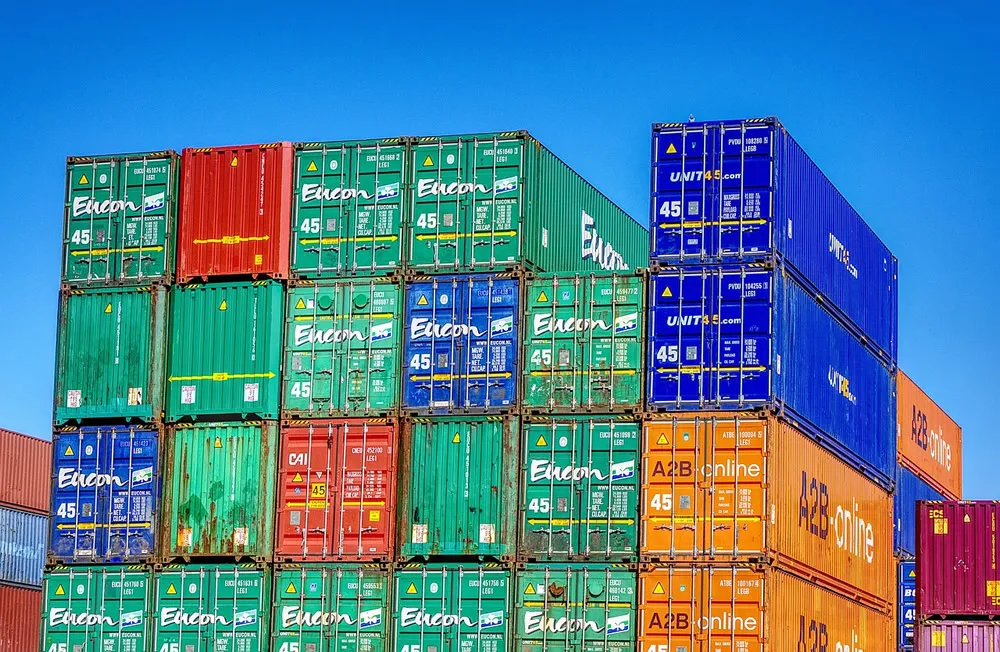
Simply put, Baosteel re-export trade is a trading method where the sale of goods is not conducted directly between the producing country and the consuming country, but is transacted through a third country. For instance, some steel products from Baosteel might first be exported from China to a transit country or region, where they undergo some necessary processing or simply transit operations, and then are re-exported to their final consumption destination.
The benefits of doing so are multifaceted. On one hand, it can help enterprises bypass certain trade barriers. In international trade, some countries may impose high tariffs or other measures to restrict imports. Through re-export trade, it is possible to find new avenues for products to smoothly enter these markets. On the other hand, it can better leverage the resource advantages of different countries and regions, such as more convenient logistics networks or lower warehousing costs in transit locations.
II. Operational Process of Baosteel Re-export Trade
Firstly, Mr. Yang, as the relevant business executive of Baosteel, will conduct detailed market research and analysis to determine which products are suitable for re-export trade, as well as potential transit points and target markets. Then, Baosteel will ship the products to the transit point following normal export procedures. In the transit location, a series of operations will take place, such as Mr. Yang team potentially being responsible for re-packaging, labeling, and other tasks to ensure the goods meet the requirements of the final target market.
- Next, relevant re-export trade procedures need to be handled, including customs declaration, customs clearance, and a series of tedious but crucial steps in the transit country.
- Finally, after processing and completing all formalities, the goods can be smoothly dispatched to the final consuming country or region, thus completing the entire re-export trade process.
III. Challenges and Responses Faced by Baosteel Re-export Trade
Of course, Baosteel re-export trade is not always smooth sailing. One of the main challenges is the uncertainty of trade policies. Trade policies of different countries can change at any time, requiring Baosteel to constantly monitor policy dynamics and adjust its re-export trade strategies in a timely manner. For example, if a transit point suddenly increases import restrictions on steel products, new transit solutions need to be sought quickly.
In addition, logistics is also a key factor. Re-export trade involves multiple transportation and warehousing stages, and any problem in any link can lead to cargo delays, damage, and other situations. To address this, Baosteel continuously optimizes the selection of logistics partners and strengthens the monitoring and management of the logistics process to ensure that goods arrive at their destination on time and in good condition.
Baosteel re-export trade holds significant importance and plays a crucial role on the grand stage of international trade. It presents numerous opportunities but also faces many challenges. We hope that through our discussion today, you will gain a deeper understanding of Baosteel re-export trade. So, what are your thoughts on Baosteel re-export trade? Welcome to leave a message and share in the comment section, and let us further explore this interesting and challenging field together!

Recent Comments (0) 0
Leave a Reply