In today's wave of globalization, trade forms are becoming increasingly diverse, with re-export trade shining like a brilliant pearl, emitting a unique luster. Today, let us together delve into the intricacies of re-export trade and unveil its mysterious veil.
I. Concept and Operating Model of Re-export Trade
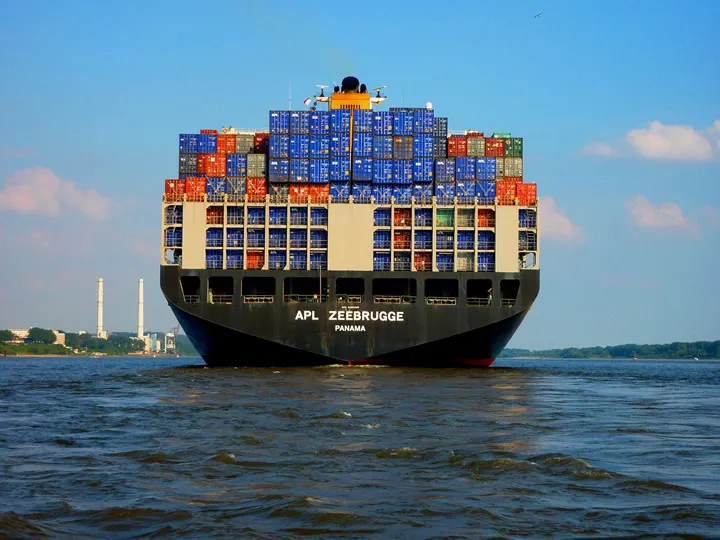
Re-export trade, simply put, refers to the business of importing and exporting goods in international trade that is not conducted directly between the producing country and the consuming country, but rather through a third country. For example, Country A produces a batch of specialty goods, but instead of selling them directly to Country C, which has a demand, it first sells these goods to Country B, and then Country B resells them to Country C. In this scenario, what Country B is engaged in is re-export trade.
Key Highlight
In terms of operating model, re-export trade typically involves transshipment, warehousing, and other processes. Goods are first transported to a specific port or warehouse in the re-exporting country, where necessary handling such as repackaging and labeling is carried out, before being dispatched to their final destination. The benefits of this approach are multifaceted: on the one hand, it can leverage the geographical advantages of the re-exporting country to reduce transportation costs; on the other hand, it can also utilize its trade policies and other advantages to circumvent certain trade barriers.
II. Advantages and Opportunities of Re-export Trade
- Circumventing Trade Barriers: In international trade, countries often impose various trade barriers, such as high tariffs and strict quota restrictions. Through re-export trade, by selecting a suitable transit country, these obstacles can be cleverly avoided, allowing goods to enter target markets more smoothly. For instance, some countries levy high tariffs on specific products, while a re-exporting country might have special trade agreements with these nations, allowing products to be introduced to the market at a relatively lower cost by transshipping through the re-exporting country.
- Expanding Market Channels: Re-export trade provides companies with broader scope for market expansion. It enables businesses to access markets that would otherwise be difficult to enter directly, thereby expanding sales reach and increasing profit opportunities. For example, companies in some small and medium-sized countries can, by leveraging re-export trade, sell their products to all corners of the globe, enhancing brand awareness and influence.
Furthermore, re-export trade can also promote the development of related industries such as international logistics and warehousing, driving local economic prosperity.
III. Challenges and Responses in Re-export Trade
However, re-export trade is not always smooth sailing; it also faces numerous challenges. Among these, policy risk is a particularly prominent aspect. Trade policies, customs regulations, and other rules in different countries can change at any time, and failure to promptly understand and adapt to these changes can lead to goods detention, increased additional costs, or even penalties.
Key Highlight
Furthermore, market competition is becoming increasingly fierce. As more and more countries and enterprises participate in re-export trade, how to stand out among numerous competitors and maintain one's advantages is a question that every entity engaged in re-export trade needs to consider. To address these challenges, businesses need to strengthen their research and tracking of policies and regulations in various countries, and establish a comprehensive information early warning mechanism to enable timely adjustments. At the same time, continuously improving service quality and product competitiveness is also key to responding to market competition.
IV. Zhongmaoda's Exploration and Practice in Re-export Trade
In the vast domain of re-export trade, Zhongmaoda has been continuously exploring and practicing. Leveraging its professional team and rich experience, Zhongmaoda meticulously controls every aspect of re-export trade. From goods procurement and transportation to warehousing and sales, Zhongmaoda has established a comprehensive process system to ensure that every re-export trade transaction is completed efficiently and smoothly.
For instance, when faced with complex changes in trade policies, Zhongmaoda can quickly organize professional personnel for analysis and research, and promptly adjust business strategies, thereby effectively reducing the impact of policy risks on operations. Concurrently, Zhongmaoda also focuses on enhancing its service quality, earning the trust and praise of numerous clients by providing excellent logistics distribution and thoughtful customer service.
As an important component of international trade, re-export trade is vast and intricate, encompassing boundless opportunities and challenges. By gaining a deep understanding of it, we can better seize the business opportunities presented by the era and shine on the grand stage of the global economy. We hope everyone will pay further attention to the development of the re-export trade sector, and we also look forward to more companies like Zhongmaoda continually innovating and achieving excellent results within it. So, what are your thoughts on re-export trade? Feel free to leave your comments and discuss in the comments section!

Recent Comments (0) 0
Leave a Reply