In the tide of globalized trade, re-export trade holds an important position on the international trade stage with its unique operational model. Today, let's unveil the mystery of re-export trade through a specific case.
Background of the Case Study
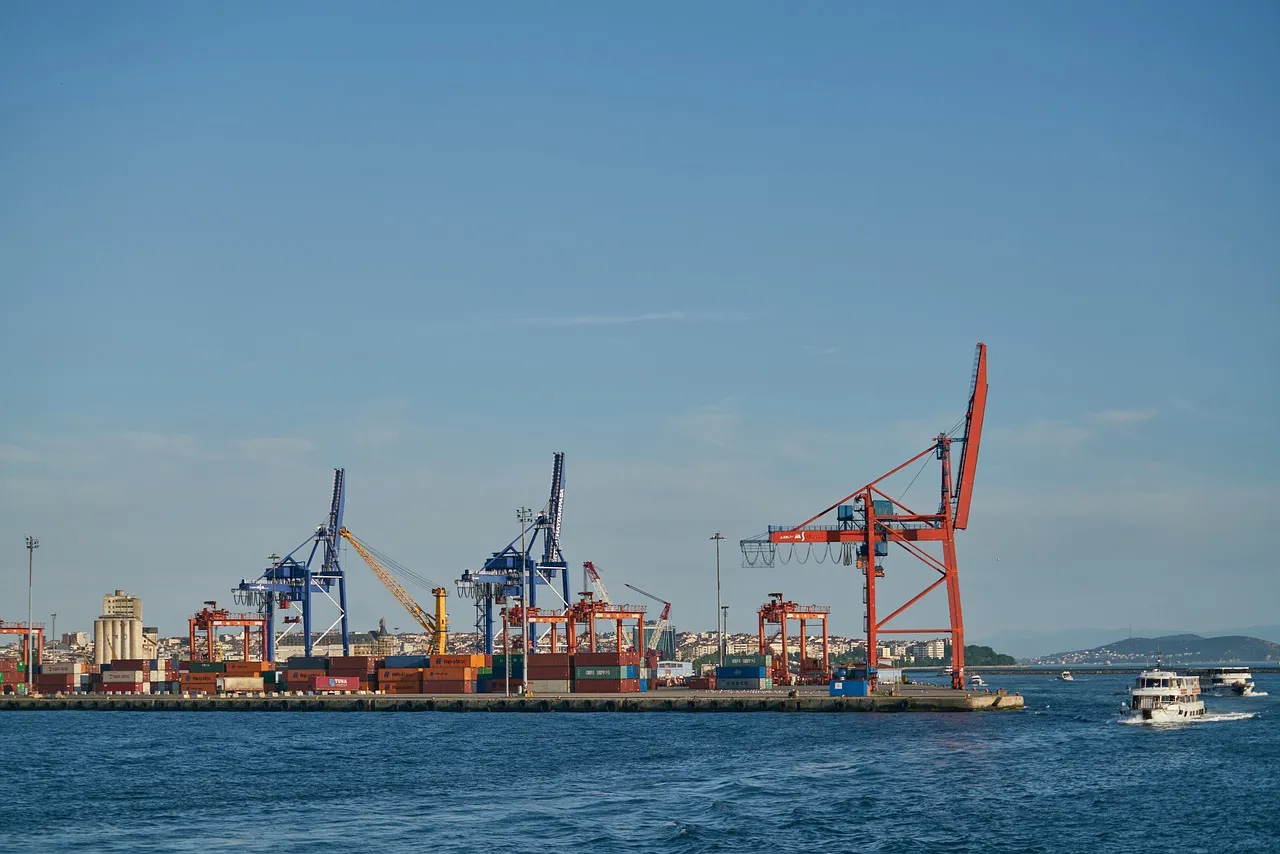
Suppose Mr. Hou from China runs a factory that produces high-end furniture. His products are of excellent quality, but when expanding into international markets, he faces obstacles from high tariffs in his target markets. At this point, Mr. Hou learned about re-export trade and decided to use this trade method to break through the difficulties.
The Operational Process of Re-export Trade
Mr. Hou contacted Zhong Maoda Company, which specializes in re-export trade. After analysis, Zhong Maoda recommended transporting the goods first to a free trade zone warehouse in Singapore. In Singapore, the goods do not undergo substantial processing but are subjected to simple treatments such as repackaging and relabeling. Singapore was chosen due to its superior geographical location, convenient transportation, and well-established free trade policies and logistics infrastructure.
After these operations are completed, the goods are shipped from Singapore to Mr. Hou target market – a European country. In this way, the country of origin marking of the goods is changed in form, from China to Singapore. European importers face significantly lower tariff rates when receiving the goods, as Singapore has more favorable trade agreements with that European country, and its tariff policies are more lenient.
Manifestation of Advantages in Re-export Trade
From Mr. Hou perspective, re-export trade helped him successfully bypass high tariffs, making his products price-competitive in the European market, thus opening the door to the European market and expanding the sales scope and market share of his products.
For Singapore, re-export trade promotes the development of local logistics, warehousing, and other related industries, bringing considerable economic benefits. The brief stay of goods in Singapore and related operations have driven local employment and economic vitality.
Risks and Countermeasures in Re-export Trade
However, re-export trade is not without risks. Among these, policy risk is a more prominent one. For example, if the trade policies of the target market or transit country change, such as a European country suddenly strengthening the origin inspection of re-exported goods, or Singapore adjusting its free trade policies, it could create obstacles for re-export trade.
To cope with such risks, Zhong Maoda Company arranges professional teams to closely monitor the dynamic trade policies of various countries and adjust re-export trade plans in a timely manner. At the same time, in cooperation with Mr. Hou, potential risks will be clearly communicated, and corresponding contingency plans will be formulated.
Conclusion: Exploring the Infinite Possibilities of Re-export Trade
Re-export trade is like a double-edged sword. When used properly, it can open up new development paths for enterprises in the complex international trade environment, but it also requires cautious operation to avoid potential risks. It is hoped that through this case, more enterprises can see the possibilities of re-export trade and find suitable development strategies in international trade. We also encourage everyone to discuss and share more experiences and insights on re-export trade.

Recent Comments (0) 0
Leave a Reply