Late at night at the port of Shenzhen, the sounds of container loading and unloading are incessant. Mr. Zhuang stared at the seven-figure USD payment just received in his mobile banking app, recalling himself three years ago searching on Zhihu for "how to start from scratch." Re-export trade—an industry rarely seen by the public—is quietly creating a new generation of hidden billionaires.
What is Re-export Trade?
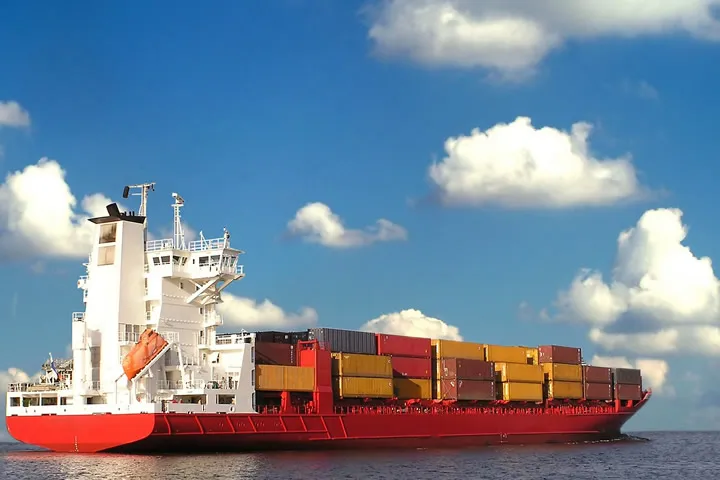
Simply put, it's the cross-border upgraded version of "buy low, sell high." Mr. Zhuang case is typical: she sourced cashew nuts from Vietnam, re-exported them to Canada via Hong Kong, and used origin rules to evade a 25% tariff, resulting in a net profit three times higher per container than direct trade. This "Romance of the Three Kingdoms"-style business model is reshaping the value distribution of global supply chains.
- Core Advantage: Circumventing Trade Barriers
- Key Operation: Third-Country Documentation Processing
- Profit Source: Price Difference + Tax Refunds + Exchange Rate Differences
Three Golden Tracks in Practice
1. Sensitive Goods Re-export
Bicycle components affected by anti-dumping duties can enter the EU market after transiting through Malaysia, with a profit margin of up to 40%. Zhongmaoda Logistics data shows that China's electronic components re-exported through Singapore increased by 217% in 2023.
2. Tariff Arbitrage Trade
Mr. Wang's team specializes in studying Free Trade Agreements (FTAs) of various countries. For example, they export domestically produced solar panels to South Korea first, and then enter ASEAN as "Made in Korea" to enjoy an 8% tariff preference.
3. Arbitrage During Special Periods
During the pandemic, Russian merchants re-exported European luxury goods through Turkey, leveraging the fluctuations in the Ruble exchange rate, achieving a transaction volume of 20 million Euros in a single month.
Four Key Steps for Newcomers to Get Started
- Step 1: Select 1-2 vertical product categories (standard parts are recommended to start)
- Step 2: Build a network of service providers in three countries (customs brokers/logistics/finance)
- Step 3: Master the customs code rules of the target country
- Step 4: Establish a financial firewall (offshore account + letter of credit)
It is worth noting that re-export trade is not simple buying and selling. The real barrier lies in documentation processing capabilities. Zhongmaoda's case library shows that 90% of failed cases faltered due to the "inconsistency of the three documents"—bill of lading, certificate of origin, and commercial invoice.
Risks and Opportunities Coexist
In 2024, the addition of 37 new trade control measures globally presents new opportunities for re-export trade. However, Mr. Zhuang lesson is a warning: last year, 5 million worth of solar modules were detained for 45 days due to a misjudgment of India's new BIS certification regulations.
This industry is undergoing an intelligent transformation. Some teams have begun using AI to analyze global customs alerts, and blockchain technology to ensure document tamper-proofing. The next wealth window may be hidden in technological empowerment.
Will You Be the Next Game Changer?
While traditional foreign trade is mired in a price war red ocean, the blue ocean of re-export trade is rewarding the pioneers "who create value through information asymmetry." Why not start tonight: open the official customs websites of various countries and compare the import tariff differences for the same product—the key to wealth is often hidden in public data.

Recent Comments (0) 0
Leave a Reply