In the globalized wave of trade, re-export trade is like a mysterious and crucial bridge, connecting the circulation of goods between different countries and regions. And tariffs, just like the "checkpoints" on this bridge, play a pivotal role in the direction of re-export trade. Today, let's explore the mysteries behind re-export trade and tariffs together.
Re-export Trade: A Unique Link in the Trade Chain
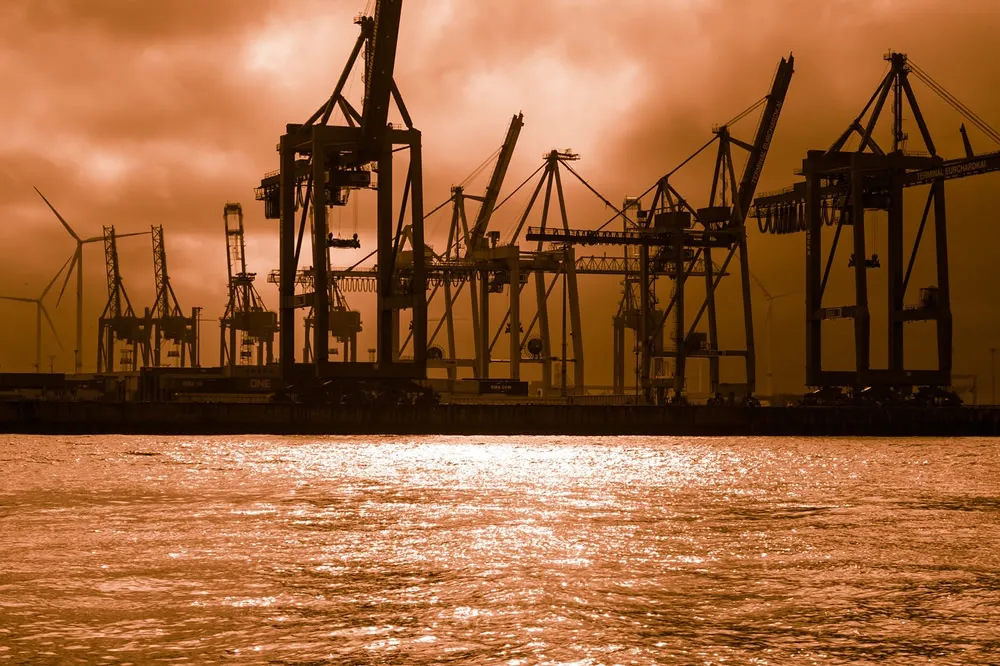
Re-export trade, simply put, is a trading method where goods are bought and sold between the country of production and the country of consumption through a third country. For example, products manufactured by Mr. Jiang company, originally intended for direct sale to the destination country, are first shipped to a third country due to various reasons, and then resold from the third country to the destination country. The reasons for this are diverse, possibly to utilize the third country's more convenient logistics network, or to enjoy specific trade preferential policies of the third country.
From a business perspective, re-export trade provides companies with greater trade flexibility. Companies can bypass certain trade barriers and expand market space by utilizing re-export trade. Taking Zhongmaoda Company as an example, by rationally employing re-export trade, it successfully entered some previously restricted markets and achieved business growth.
Tariffs: A Double-Edged Sword for Re-export Trade
Tariffs, as an important tool for national trade regulation, play a complex role in re-export trade. On one hand, reasonable tariff policies can protect domestic industries and ensure the stability of the domestic market. For instance, imposing high tariffs on certain imported goods can prevent a large influx of similar foreign products that might impact domestic related industries. However, on the other hand, excessively high tariffs can become an obstacle to re-export trade.
Suppose Mr. Jiang is engaged in re-export trade, shipping a batch of goods from Country A to Country B, passing through Country C. If Country C imposes high tariffs on these goods, Mr. Jiang re-export costs will increase significantly. This may not only reduce the competitiveness of the goods in the market of Country B but could even lead to the collapse of the entire re-export trade chain. Therefore, the level of tariffs directly affects the cost and benefits of re-export trade.
How to Cope with Tariff Challenges in Re-export Trade
For enterprises engaged in re-export trade, coping with tariff challenges is crucial. Firstly, in-depth research into the tariff policies of various countries is fundamental. Enterprises should constantly monitor changes in tariff rates, tariff preferential clauses, and other relevant information in different countries. Secondly, optimizing supply chain layout is also an effective approach. By rationally selecting re-export locations, companies can leverage the low tariff advantages of those locations to reduce overall tariff costs. For example, Zhongmaoda Company, after detailed research, chose a region with more favorable tariff policies as its re-export point, successfully reducing its trade costs.
In addition, enterprises can actively seek support from free trade agreements. Many countries have signed free trade agreements, under which tariffs on imports and exports of goods are significantly reduced or even abolished. Enterprises should make full use of these agreements to create more favorable conditions for re-export trade.
Re-export trade and tariffs are two closely interconnected key elements in international trade. When participating in re-export trade, enterprises must have a thorough understanding of tariff policies and respond flexibly to tariff challenges to find the right direction and achieve sustainable development in the complex and ever-changing international market. We hope that more friends engaged in trade can achieve brilliance on the stage of re-export trade through continuous learning and practice.

Recent Comments (0) 0
Leave a Reply