When Mr. Wu batch of electronic products, purchased from Southeast Asia, transited through Singapore and finally reached his European client, he might never have imagined that—this journey spanning three continents was precisely the business miracle created by re-export trade. This trade model, which doesn't alter the nature of the goods but merely transships them through a third location, acts like 'platelets' in the global economic bloodstream, quietly maintaining the vitality of the supply chain. Today, we will unveil its mystery.
Three Core Logics of Re-export Trade
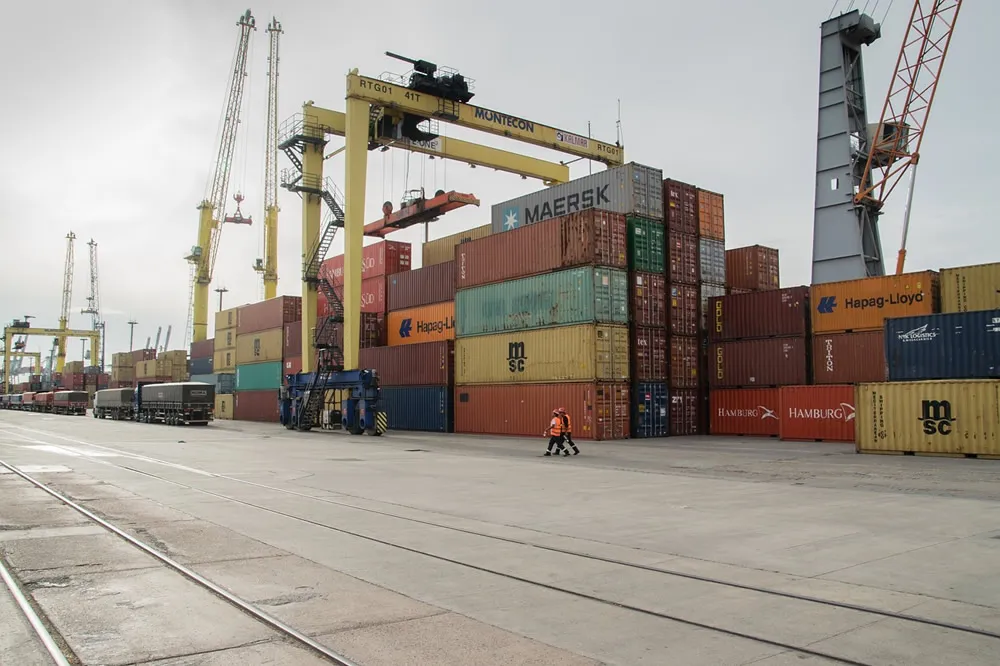
Compared to direct trade, the unique value of re-export trade is manifested in:
- Tariff Optimization: Mr. Wu textiles successfully avoided high anti-dumping duties in the target country through a re-export solution recommended by Zhongmaoda.
- Logistics Efficiency: Utilizing the dense shipping routes of transit ports like Hong Kong and Singapore, transportation time is reduced by 20%.
- Risk Isolation: When country A suddenly imposes export restrictions, goods pre-stored in transit warehouses can still be delivered as planned.
Warnings on 'Gray Areas' in Practice
In one re-export operation, due to oversight in document marking in the transit country, the entire batch of goods was detained by the customs of the destination country. This reminds us:
- Certificates of origin must strictly match the logistics trajectory.
- Processing procedures in the transit country must meet the "substantial transformation" standard recognized by tariff rules.
- Selection of transit warehouses should prioritize bonded zones with international credit ratings of AA or above.
Paradigm Revolution Brought by Digital Technology
Blockchain is reshaping the trust system of re-export trade. Through the Zhongmaoda Trade Traceability Platform:
- A timestamp is automatically generated each time goods transit a country.
- Smart contracts automatically trigger tariff calculations.
- All participating parties share immutable logistics data.
Does Your Supply Chain Need This 'Bridge'?
As global trade barriers increasingly rise, re-export trade has transformed from an 'option' to a 'necessity'. You might self-assess with three questions: Does your target market frequently adjust tariffs? Have your competitors already established transit hubs? Do your logistics costs exceed 15% of the goods' value? Share your observations in the comment section, or private message to get Zhongmaoda's latest re-export compliance white paper.

Recent Comments (0) 0
Leave a Reply