Mr. Xu recently received a batch of electronic products "made in Singapore", but upon unpacking, he found familiar Chinese characters printed on the inner packaging. Mr. Xu European customers insisted that the goods be transshipped from Vietnam, even though this batch of goods was clearly produced in China. Behind these seemingly contradictory phenomena lies a **key code** in international trade – re-export trade.
What is Re-export Trade?
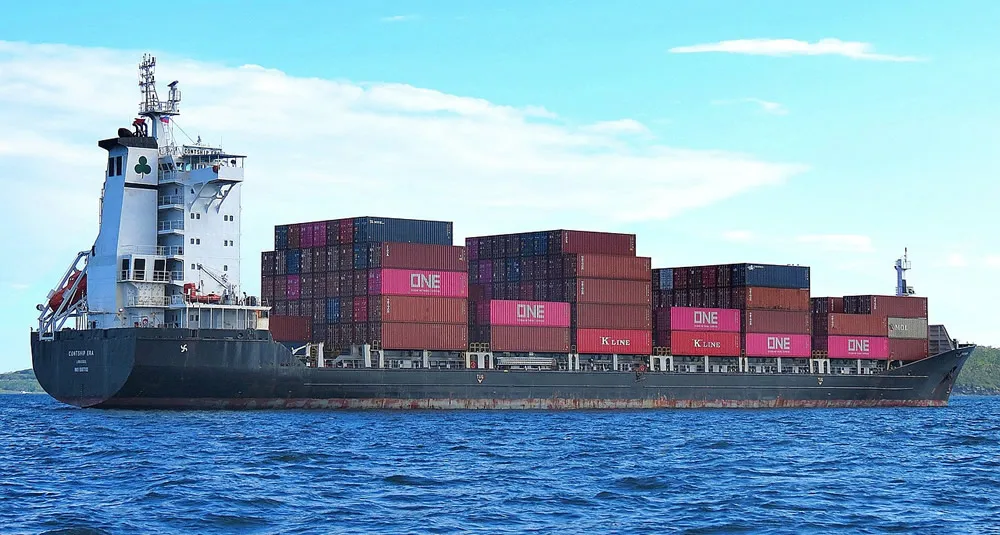
Simply put, re-export trade is a form of trade where goods **transit through a third country** on their journey from the country of production to the country of consumption. This "transit station" may only perform simple container changes and labeling, or it may undergo further processing. According to the Zhongmaoda industry report, about 12% of global merchandise trade involves re-export.
- Form 1: Pure Transit - Goods only make a short stop in a bonded area of a third country, with the origin remaining unchanged.
- Form 2: Value-Added Transit - Value-added operations such as repacking and relabeling are completed in the transit country.
- Form 3: Document Flow - Only fund settlement and document processing are carried out through the transit country.
Why do Enterprises Need Re-export Trade?
Mr. Wang, who wished to remain anonymous, once frankly said: "Our machines make a trip around Malaysia, and the export tariffs are directly reduced by 7 percentage points." This reveals the **core value** of re-export trade:
- Evading high tariffs in the target market (e.g., tariffs imposed by the United States on Chinese goods)
- Breaking through origin quotas (common in textile trade)
- Utilizing more favorable trade agreements of transit countries (e.g., reciprocal policies of ASEAN countries)
- Meeting customers' special requirements for supply chain confidentiality.
The "Reefs" of Re-export Trade and How to Navigate Them
Last year, a batch of clothing transshipped through Vietnam was seized by EU customs due to flaws in the certificate of origin. This reminds us to pay attention to:
- Document Risk: Certificates of origin, commercial invoices, and transportation documents from the transit country must be logically consistent.
- Logistics Risk: Warehousing conditions at the transit port may affect product quality.
- Compliance Risk: Some countries have begun to strictly investigate "origin washing" activities.
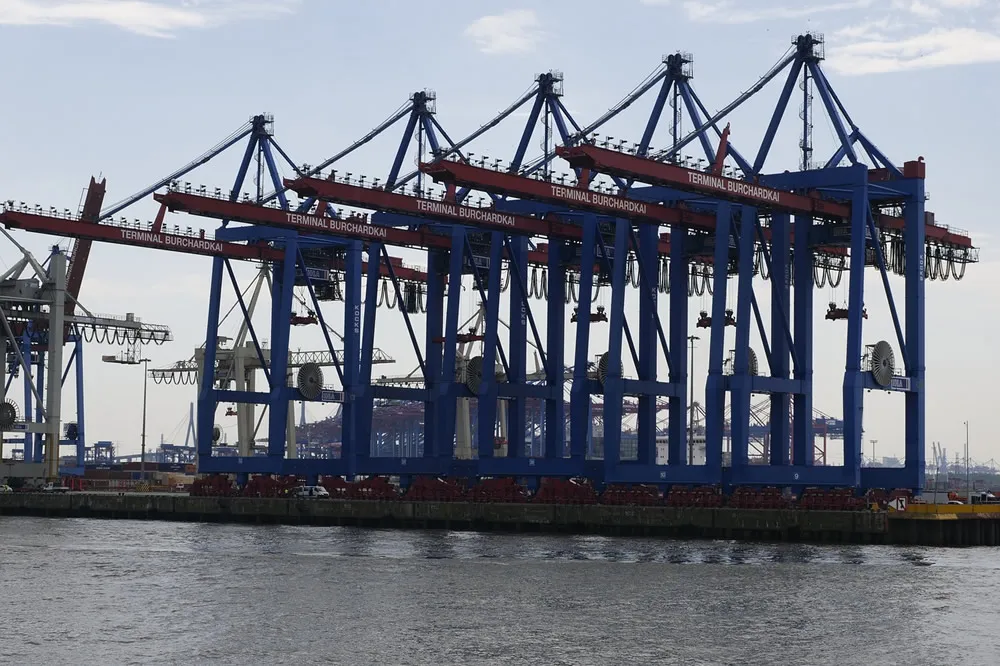
Zhongmaoda advises enterprises to establish a **triple verification mechanism**: logistics tracking, document cross-checking, and legal due diligence of the transit country.
Future Trend: Digital Re-export Trade
Blockchain technology is changing the game. Smart contracts automatically verify:
- The real-time status of goods at the transit port
- The matching degree between proof of origin and logistics data
- The correspondence between cash flow and goods flow.
This "digital re-export" model can improve the efficiency of traditional re-export trade by more than 40%.
Does Your Supply Chain Need a Re-export Solution?
Next time you see electronic products "assembled in Malaysia" or clothing "exported from Cambodia," ask yourself: is this real industrial transfer behind it, or **ingenious trade art**? Welcome to share your re-export trade cases in the comment section, and Zhongmaoda experts will select typical issues for in-depth analysis.

Recent Comments (0) 0
Leave a Reply