"Mr. Yue, can this batch of dried kiwi fruit be successfully exported to South Korea?" Mr. Yue from a certain specialty product factory in Zhangjiajie held the customs declaration form, her brows furrowed. In this tourist city famous for its unique peaks, more and more enterprises are selling local specialties such as cured meat, tea, and handicrafts globally through agent export customs declaration. But just how many intricacies are hidden within this "international track"?
Why Do Enterprises Need Agent Export Customs Declaration?
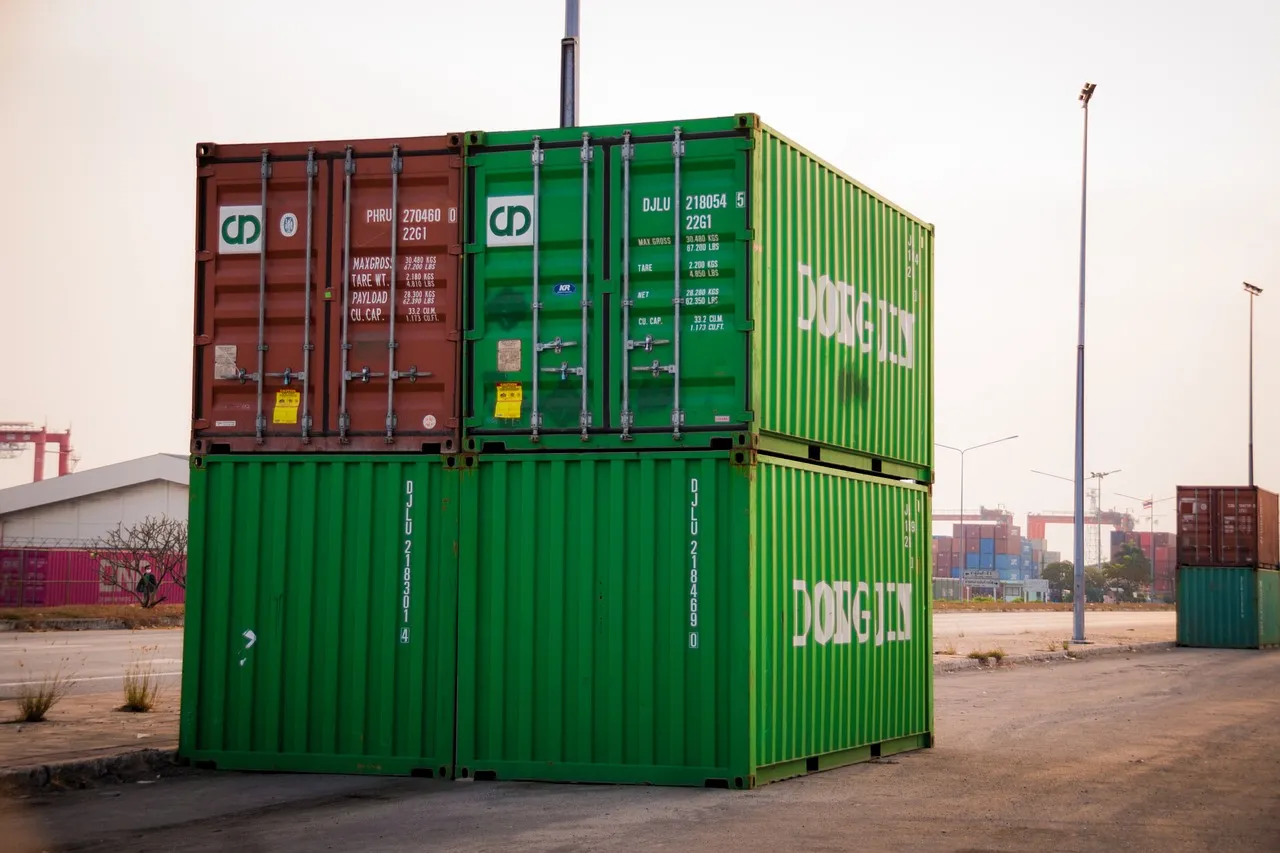
In Zhangjiajie, 90% of SMEs choose agent services to complete export customs declarations. "Leave professional matters to professionals" has become a consensus:
- Cost Optimization: Building an in-house customs declaration team costs over 200,000 annually, whereas agent services are billed per declaration.
- Risk Avoidance: In 2023, customs regulations changed 17 times; agent agencies can synchronize policies in real-time.
- Efficiency Improvement: Local agents like Zhongmaoda can achieve 24-hour electronic customs clearance, 3 times faster than traditional processes.
Three Key Aspects of Agent Customs Declaration
Taking Zhangjiajie berry tea export as an example, the complete process holds hidden intricacies:
- Qualification Review: Requires advance processing of 5 types of documents, including food and agricultural product registration and certificates of origin.
- Commodity Classification: The HS code for the same cured meat may change from 0210.11 to 0210.19 due to different slicing methods.
- Customs Clearance Strategy: Handicrafts exported via Guangzhou Port have 12% lower overall costs than those transported by land via Chongqing.
Pitfall Avoidance Guide: 3 Common Traps for Businesses
A certain bamboo weaving factory once lost orders worth 130,000 due to negligence; these lessons warrant caution:
- Underestimating the quarantine requirements for smoked foods, leading to an entire container of goods being held up at the port.
- Misreporting commodity ingredients, facing a 5% anti-dumping duty from the importing country.
- Choosing unreliable agents, leading to illicit operations such as "buying declarations for export."
The Future Is Here: New Trends in Digital Customs Declaration
With the upgrade of the "Single Window" for international trade, Zhangjiajie enterprises are experiencing:
- Smart classification systems achieve 98% accuracy, reducing human errors.
- Blockchain traceability technology allows Korean customers to scan codes and see the complete logistics track of goods.
- Under RCEP policies, tariffs in the ASEAN market have dropped by an average of 8.3%.
As the peaks of Wulingyuan awaken in the morning light, more "Made in Zhangjiajie" products are reaching the world through professional customs declaration. Is your enterprise ready with this "international pass"? Feel free to share your cross-border trade stories in the comments section.

Recent Comments (0) 0
Leave a Reply