As Mr. Yao meticulously inspected a batch of electronic components in a warehouse in Zhuhai's Free Trade Zone, destined for Vietnam, few knew that the ultimate destination of these goods was actually the United States. Third-country re-export trade, a business model that seemingly takes the long way around, is becoming an increasingly vital strategy in international trade. What exactly is the appeal of this trade method? And how does it operate?
What is Third-Country Re-export Trade?
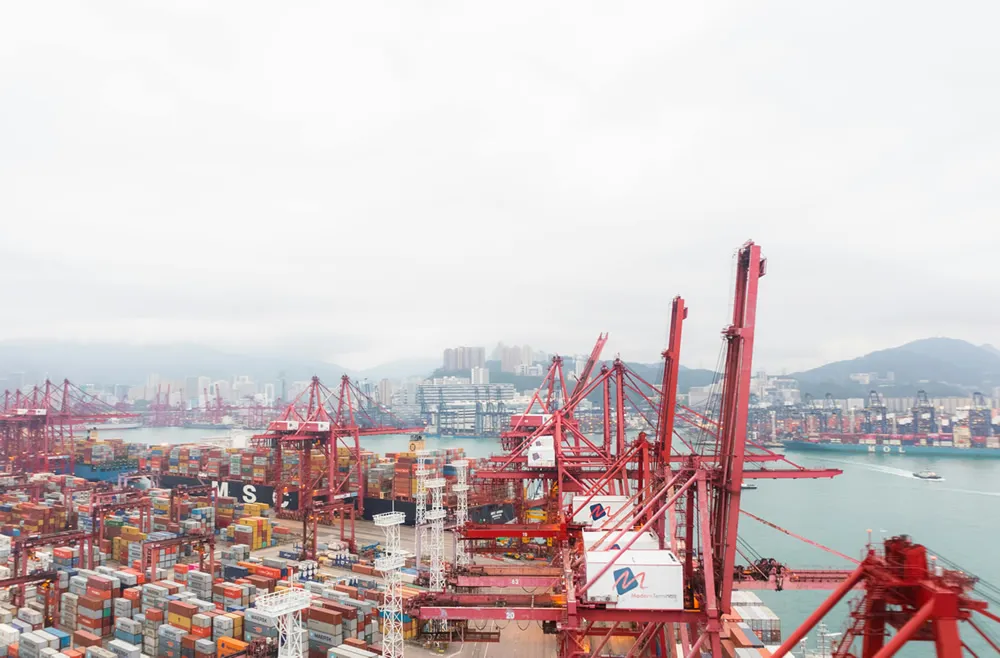
Simply put, third-country re-export trade refers to a trading method where goods are first shipped from the producing country to a third country, and then re-shipped from that third country to their final destination. Thanks to its unique geographical location and policy advantages, Zhuhai has emerged as one of China's most important re-export trade hubs.
- Circumvent Trade Barriers: Transiting through a third country can help avoid high tariffs or quota restrictions imposed by target markets on Chinese goods.
- Reduce Logistics Costs: Zhuhai's well-developed port facilities and advanced logistics network provide efficient transit services.
- Simplify Trade Procedures: Leverage the advantages of third countries' free trade agreements to streamline import and export formalities.
Operational Model of Zhuhai Re-export Trade
Mr. Yao trading company is a prime example. Her company ships domestically produced apparel to Zhuhai's Free Trade Zone, where it undergoes simple processing or repackaging before being exported to European and American markets under the label 'Made in Vietnam'. This operation is not only legal but also saves businesses significant costs.
Key commodities involved in Zhuhai's re-export trade include:
- Electronic products and components
- Textiles and apparel
- Machinery and equipment
- Chemical products
Risks and Challenges of Re-export Trade
While the advantages are clear, re-export trade is not without its risks. Businesses must pay special attention to rules of origin and customs compliance requirements to avoid penalties due to improper operations.
Common risks include:

- Policy changes in the third country may lead to trade disruptions
- Complex logistics links increase the difficulty of quality control
- Requires professional trade and legal knowledge support
Future Development Trends
As the global trade environment evolves, Zhuhai's third-country re-export trade may exhibit the following trends:
- Increased digitalization, with more companies adopting blockchain technology for cargo tracking
- Expanded service scope, extending from pure logistics to value-added services such as finance and legal support
- Higher environmental requirements, with green re-export trade becoming a new trend
Are You Ready?
Third-country re-export trade offers SMEs a new avenue to participate in global competition. If you are looking for ways to overcome trade barriers, consider delving deeper into this business model. What are your thoughts on re-export trade? Feel free to share your views in the comments section.

Recent Comments (0) 0
Leave a Reply