When Mr. Gu first purchased a limited edition Japanese sneaker through a daigou agent, he never imagined that three years later he would establish a company specializing in cross-border import agency. Today, his warehouse is filled with goods from 30 countries, ranging from Norwegian fish oil to Italian handcrafted leather goods. "The most magical thing about this business is that you never know what the next hit product will be," he said with a smile, showing an order for Australian milk powder he had just received on his phone.
Why Are Cross-Border Import Agencies Needed?
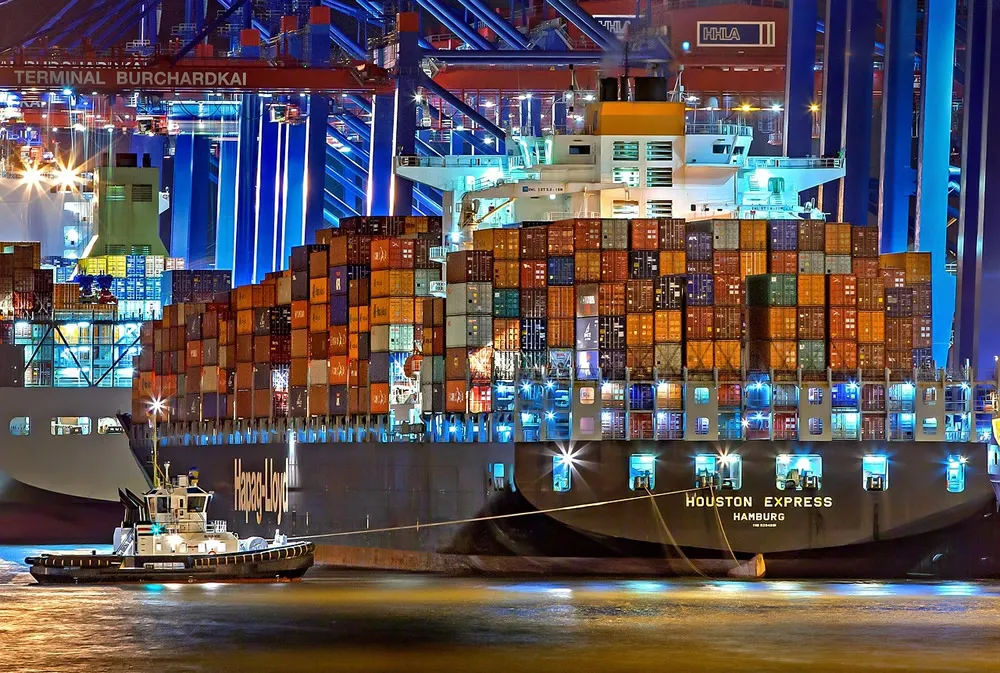
Mr. Gu cross-border e-commerce platform once had goods worth 800,000 yuan detained due to customs clearance issues, which were only resolved after finding a professional agency. The core value of cross-border import agencies lies in:
- Compliance Assurance: Familiarity with customs policies and product entry standards of various countries
- Cost Optimization: Bulk transportation can reduce logistics costs by 30%-50%
- Risk Control: Predicting and avoiding potential risks such as quarantine and taxes
Three Major Service Models in the Industry
Professional organizations such as Zhongmaoda typically offer three service structures:
- Full-Chain Management: One-stop service from overseas procurement to domestic distribution
- Modular Services: Select single segments like customs clearance, warehousing, or logistics as needed
- System Empowerment: Provide ERP system integration with customs data platforms
Four Key Steps for New Entrants
Are you preparing to enter this industry? Consider this roadmap:
- Step 1: Select a Vertical Niche (e.g., mother and baby, beauty, or health supplements)
- Step 2: Establish Overseas Supply Chains; it is recommended to start by contacting manufacturers at trade shows
- Step 3: Test Small-Batch Customs Clearance; expand the scale after familiarizing yourself with the entire process
- Step 4: Develop Diversified Channels, including e-commerce platforms and private traffic
Industry Trends for the Next Three Years
With the deepening of agreements such as RCEP, these trends are worth noting:
- Bonded warehouse models will cover more second and third-tier cities
- Blockchain technology will be applied to product traceability
- Demand for specialty products from niche countries will surge
When you see a counter for Icelandic skincare products in a department store, or grab French red wine during a live stream, there may be a cross-border import agency team behind it. This industry, connecting Chinese consumers with global quality goods, is reshaping our shopping carts. If you have overseas resources or e-commerce experience, feel free to share in the comments: what will be the next hit import product?

Recent Comments (0) 0
Leave a Reply