In the complex network of global trade, re-export trade is like a hidden undercurrent, silently influencing the flow and value of goods. Are you curious why some goods take a detour through a third country before finally reaching their destination? The mystery behind this is closely related to re-export trade. Simply put, re-export trade refers to the buying and selling of imported and exported goods in international trade that are not conducted directly between the producing country and the consuming country, but rather through a third country. This third country is the key hub for re-export trade.
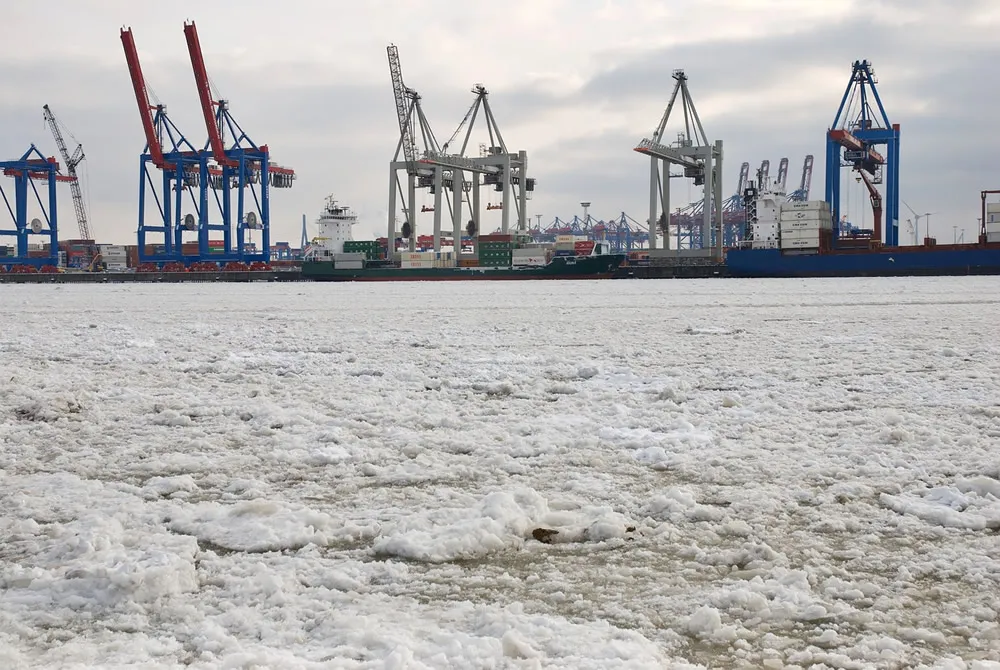
Operational Process of Re-export Trade
Suppose Mr. Duan is the head of a trading company in China. His company intends to import a batch of specialty raw materials from Country A and then sell them to customers in Country B. Due to various reasons, such as trade barriers and transportation costs, Mr. Duan decides to adopt a re-export trade method. First, Mr. Duan company signs a purchase contract with the supplier in Country A. The goods are not directly shipped to Country B but are first sent to a warehouse established by Zhongmaoda at a transshipment port. At the transshipment port, Zhongmaoda will conduct necessary operations such as inventory and inspection of the goods, and then repackage and relabel the goods to meet the requirements of the market in Country B. Finally, Zhongmaoda will ship the goods to Country B according to the sales contract signed by Mr. Duan company with the customer in Country B.
Advantages of Re-export Trade
For traders, re-export trade offers numerous advantages. From a cost perspective, transshipment ports may have more favorable logistics prices and warehousing fees, which can effectively reduce trade costs. For example, some ports with superior geographical locations, like the Port of Singapore, possess efficient logistics facilities and convenient route networks. Goods transshipped here may significantly reduce transportation costs. From a market perspective, re-export trade can help companies bypass trade barriers. If there are trade restrictions between Country A and Country B, re-export trade can be used to leverage the trade advantages of a third country, thus successfully avoiding these restrictions and smoothly selling goods to the target market.
Risks and Countermeasures of Re-export Trade
However, re-export trade is not always smooth sailing and also carries many risks. Among these, cargo risk is particularly prominent. During the transit process, goods may be damaged or lost. To deal with this risk, companies should choose reputable transshipment service providers, such as Zhongmaoda, and purchase adequate cargo insurance. In addition, policy risks should not be underestimated. Once policies in the country or region of the transshipment port change, such as adjustments in trade policies or changes in tax policies, it may affect the smooth progress of re-export trade. Companies need to closely monitor policy dynamics at the transshipment port and prepare contingency plans in advance.
Future Outlook of Re-export Trade
With the continuous advancement of global economic integration, re-export trade is expected to usher in broader development space. On one hand, the rise of emerging markets provides more opportunities for re-export trade. These markets have an increasing demand for various goods, and re-export trade can more flexibly meet their needs. On the other hand, technological advancements will also bring about changes to re-export trade. The application of technologies such as digital logistics and intelligent warehousing will further improve the efficiency of re-export trade and reduce costs. We hope that readers will actively consider the potential applications of re-export trade in their own businesses and are welcome to leave comments in the comment section to discuss any ideas.

Recent Comments (0) 0
Leave a Reply