“Last month, Mr. Ding's ceramic crafts finally secured a European order, but the transportation got stuck – incomplete customs declaration documents, and sea freight slots were occupied, nearly resulting in liquidated damages due to breach of contract.” Such stories are common in the import and export industry. Proxy import and export freight forwarding services are professional facilitators that help businesses avoid these “pitfalls.” This article will guide you through dissecting the core value of this service and how to use it to equip your international trade with “invisible wings.”
I. Why Do 90% of Foreign Trade Enterprises Choose Proxies?
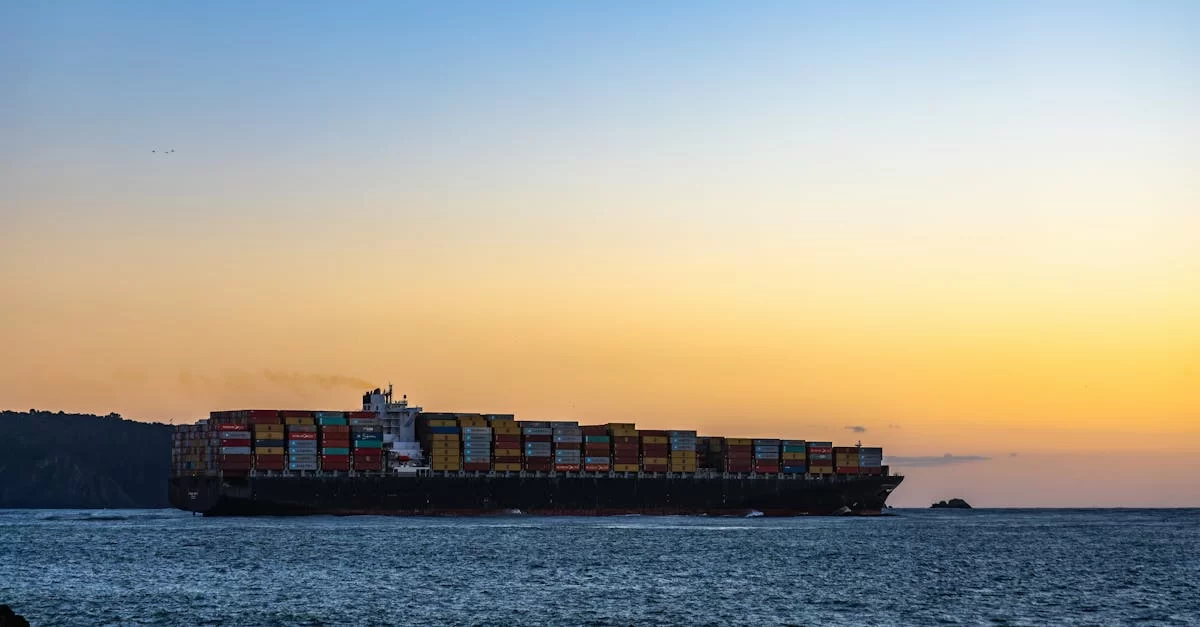
Mr. Ding runs a hardware accessories factory. During his first independent export, due to unfamiliarity with the destination country's customs clearance policies, the entire shipment was detained for two weeks, ultimately incurring over ten thousand yuan in demurrage fees. Proxy service providers can offer **three irreplaceable values**:
- Risk Firewall: Automatically matches HS codes and pre-reviews customs declaration documents to avoid fines due to declaration discrepancies.
- Cost Optimizer: Through long-term cooperation with shipping line resources, freight costs can be 15%-30% lower than market prices.
- Time Accelerator Pack: Priority booking rights + localized customs clearance team, averaging a reduction of 3-5 days in transit time.
II. What's Inside the "Black Box" of Proxy Services?
Taking Zhongmaoda's service process as an example, a complete proxy service loop includes:
- Front-end Diagnosis: Customizes transportation plans based on cargo characteristics (fragile/dangerous goods/cold chain).
- Mid-end Execution: Visualized tracking from "factory gate" to "customer warehouse."
- Back-end Assurance: Activates backup slots/alternative routes in case of delays.
A client once shipped precision instruments, and the proxy company conducted vibration tests in advance, customized shockproof packaging, and the client received the goods with zero defects upon acceptance. This level of detail handling is a testament to professionalism.
III. Avoiding Three Major Cognitive Misunderstandings When Choosing a Proxy
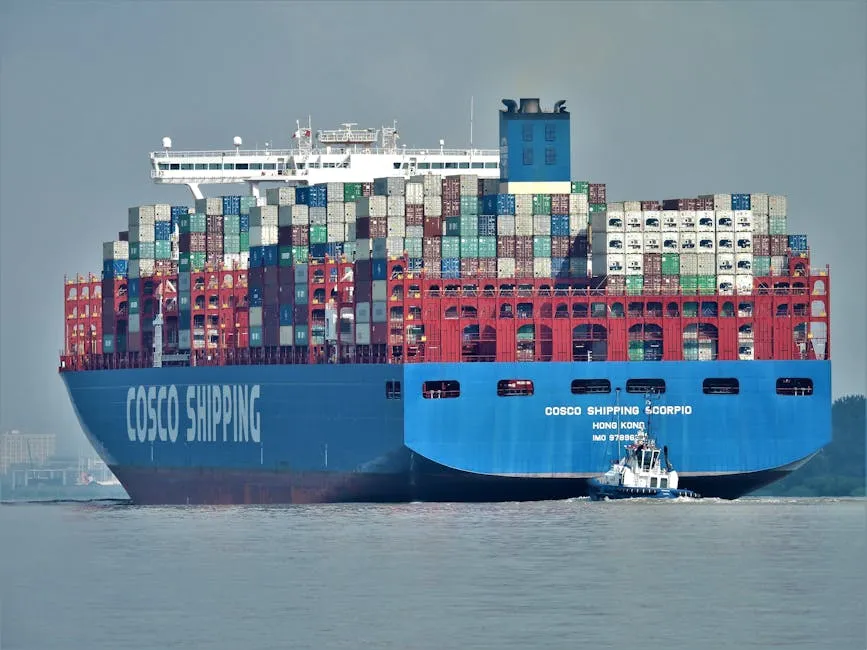
Ms. Wang once chose a proxy based on “low price first,” only to encounter hidden fees. When selecting a service provider, pay attention to:
- Misunderstanding 1: Only looking at the quoted price, ignoring hidden costs like fuel surcharges and amendment fees.
- Misunderstanding 2: Overly pursuing "all-inclusive services," leading to a loss of control over key nodes.
- Misunderstanding 3: Neglecting the proxy's overseas network strength, resulting in difficulties with destination country customs clearance.
It is recommended to ask service providers for at least 3 successful case studies, focusing on their SOPs for handling emergencies.
IV. Future Trend: Digital Proxies are Reshaping the Industry
Leading proxy companies have now achieved:
- Blockchain Traceability: Scan a code to view the cargo's real-time location + temperature and humidity records.
- AI Intelligent Customs Declaration: Automatically identifies controlled item lists for over 200 countries.
- Big Data Early Warning: Predicts route congestion probability based on historical data.
Just as navigation apps have replaced paper maps, digital proxies are turning traditional freight forwarding into "foolproof operations."
Your Cargo Deserves a Smarter Way to Travel
As the gears of global trade accelerate, professional proxy services have transitioned from an "option" to a "must-have." Consider this standard to evaluate your current situation: Have you ever woken up at 3 AM due to customs clearance issues? Do you always find unexpected expenses during settlement? If so, it's time to entrust professional matters to professional people. Welcome to share your freight forwarding challenges in the comment section; perhaps proxy services are the solution you've been waiting for.

Recent Comments (0) 0
Leave a Reply