In the current era of globalization, the imported goods market presents a prosperous scene. Whether it's exquisite skincare products from Europe or specialty foods from the Americas, they are deeply favored by domestic consumers. The field of agency imported goods has also attracted much commercial attention. Today, let us delve into the intricacies behind agency imported goods.
Advantages of Agency Imported Goods
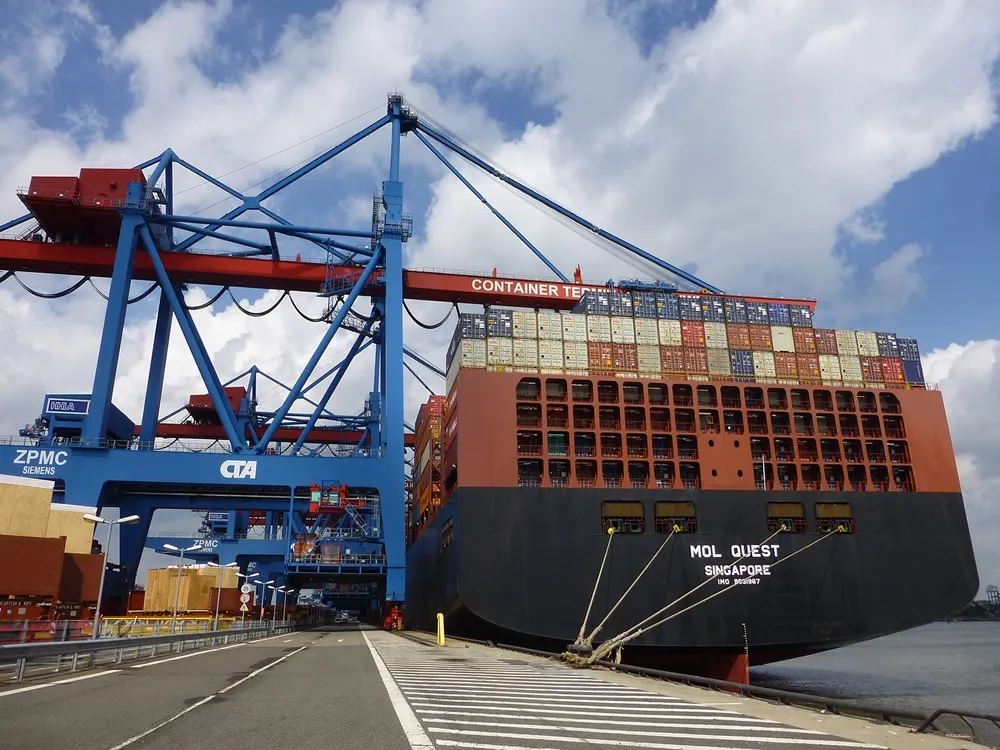
Firstly, agency imported goods can meet the increasingly diverse demands of domestic consumers. With the improvement of living standards, people's pursuit of high-quality and specialty products is becoming stronger. Agency imported goods can introduce excellent and unique foreign products, filling market gaps. Taking maternal and infant products as an example, many parents prefer imported milk powder, infant skincare products, etc. Agency for such products will undoubtedly capture this vast consumer group.
Secondly, agency imported goods offer considerable profit margins. Due to price differences between domestic and international markets and the inherent "quality halo" of imported goods, reasonable pricing strategies can allow agents to achieve relatively substantial profits. For instance, some high-end beauty products are often sold at higher prices in the domestic market than in their countries of origin, and agents can profit through skillful operation.
Challenges Faced by Agency Imported Goods
However, agency imported goods are not always smooth sailing. Complex trade policies and regulations pose a significant challenge. Each country has different quality standards and inspection and quarantine requirements for imported goods. For food products, there may be strict requirements for additives and microbial indicators. Agents must thoroughly understand and strictly comply with these regulations, otherwise, they may face risks of cargo detention, fines, or even destruction.
Furthermore, supply chain management is also a key difficulty. From purchasing goods from overseas suppliers to transportation and warehousing, and finally to consumers, any problem in any link can affect the supply of goods. For example, weather factors during transportation or port congestion can lead to delayed arrival of goods, affecting sales timing.
How to Do Well in Agency Imported Goods
To achieve success in the field of agency imported goods, precise market positioning is essential. Agents should determine the categories of imported goods and target customer groups based on their own resources and market demand. For example, targeting young office workers, one can act as an agent for convenient imported ready-to-eat foods, fashionable digital accessories, etc.
At the same time, it is important to establish reliable supplier relationships. Maintain good communication with overseas suppliers to ensure stable product quality, reasonable prices, and timely supply. Regularly inspect and evaluate suppliers to avoid business disruptions due to supplier issues.
In addition, optimizing logistics and distribution solutions is also crucial. Choose experienced and reputable logistics partners, adopt appropriate transportation methods and warehousing models to reduce logistics costs and improve delivery efficiency.
In summary, agency imported goods are full of opportunities, but also accompanied by many challenges. Whether it is an entrepreneur new to this field or a company seeking business expansion, it is necessary to fully understand the market, master the rules, and operate meticulously to gain a foothold and achieve success in this area. Let us explore and move forward together in this commercial blue ocean, creating our own brilliance.

Recent Comments (0) 0
Leave a Reply