In the wave of a globalized economy, imported goods have become an important avenue for many enterprises to expand their business and for consumers to pursue diverse products. However, the customs clearance of imported goods has caused headaches for many. Today, let us unveil the mystery of import cargo customs clearance.
Preparatory Work Before Customs Clearance
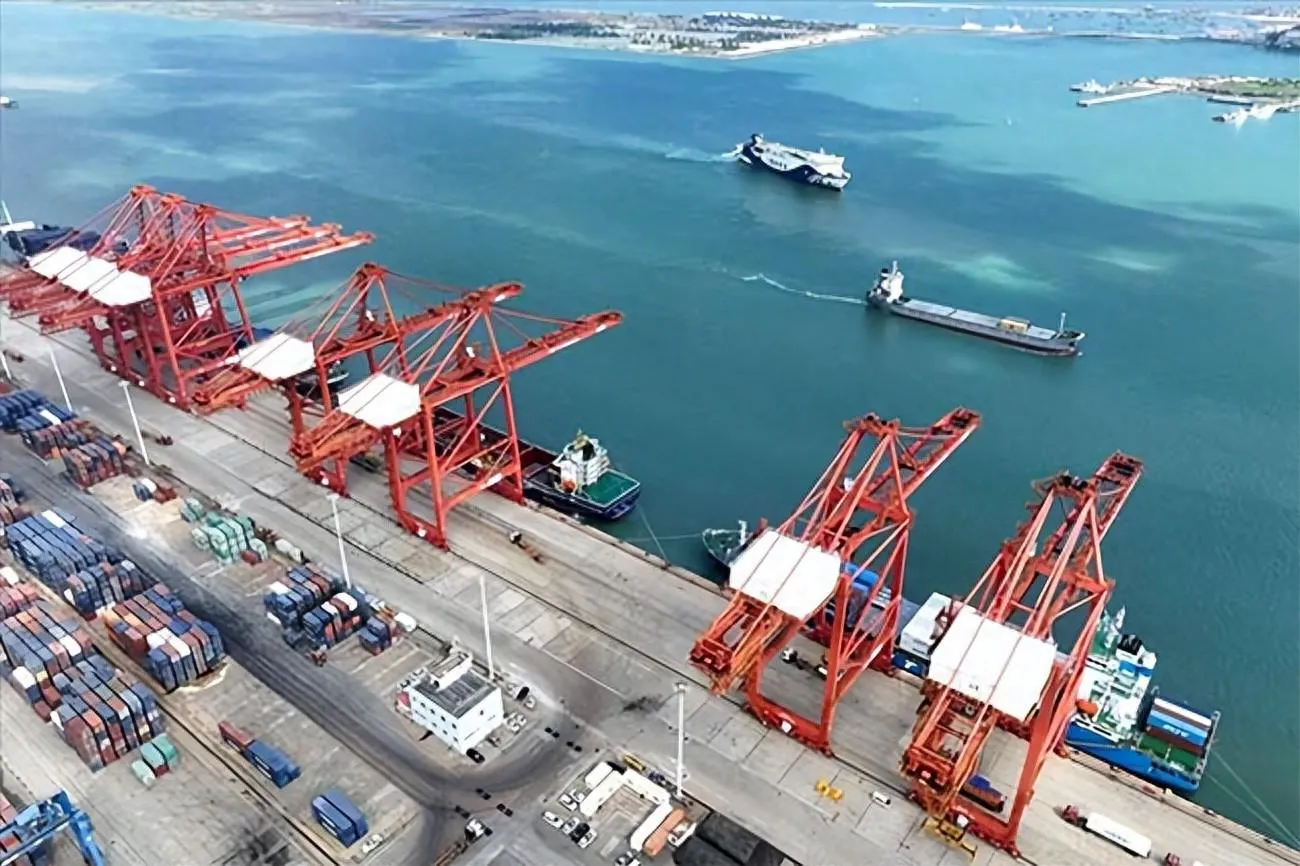
For import cargo customs clearance, preliminary preparation is crucial. Firstly, importers need to clarify detailed cargo information, including product name, brand, model, quantity, value, country of origin, etc. The accuracy of this information directly affects the smoothness of customs clearance. For example, if Mr. Pan imports a batch of electronic products, and the declared model does not match the actual product, it may lead to problems during customs inspection.
Secondly, prepare the relevant documents. Common documents include commercial invoices, bills of lading, packing lists, and contracts. Commercial invoices should describe the cargo and transaction amount in detail; bills of lading are proof of cargo transportation; packing lists record the packaging details of the cargo; and contracts clarify the rights and obligations of the buyer and seller. Taking Mr. Pan import of clothing as an example, if a clear and accurate packing list is missing, customs may find it difficult to quickly understand the cargo packaging situation, which could delay customs clearance.
Analysis of the Customs Clearance Process
After the cargo arrives at the destination port, the customs clearance process officially begins. The first step is document exchange, where the importer or their agent presents the bill of lading to the shipping company to obtain a delivery order, which is an important document for subsequent customs clearance.
Next is customs declaration. The importer declares the cargo information to the customs and submits the prepared documents. Customs will review the declared content to determine if the cargo complies with import regulations, if the declared value is reasonable, and so on. During this process, customs may conduct inspections. There are various inspection methods, such as thorough inspection and random inspection. If the declared cargo information does not match the actual cargo, it will face a series of problems, such as fines and cargo detention.
After that is tax payment. Customs calculates the customs duties, value-added tax, and other taxes payable based on the cargo classification and relevant tax rates. Importers must pay the taxes on time and in full; otherwise, the cargo cannot be released. For example, importing a car requires paying high customs duties and value-added tax according to the prescribed tax rates.
Finally, there is release. Customs will grant release after all steps, including reviewing documents, inspecting cargo, and collecting taxes, are completed without any issues. At this point, the importer can arrange for cargo pickup and transport it to the destination.
Common Customs Clearance Problems and Solutions
During the customs clearance process, some problems are often encountered. For example, incomplete documents require the importer to promptly supplement the required documents and explain the situation to customs in a timely manner. Another example is non-compliant cargo inspection, which may be due to the product quality, labeling, or other aspects not meeting requirements. In this case, the importer needs to communicate with the supplier and take measures such as rectification or replacement.
To avoid customs clearance problems, importers can understand the customs policies and requirements of the destination country in advance and choose professional customs clearance agents, such as Zhongmaoda, who have rich experience and can effectively assist in solving various customs clearance difficulties.
Although the customs clearance of imported goods is complex, as long as sufficient preparation is made, the process is understood, and problems are addressed proactively, customs clearance can be completed smoothly, allowing the goods to enter the market as soon as possible. It is hoped that through this article, everyone will have a clearer understanding of import cargo customs clearance and take fewer detours in import business.

Recent Comments (0) 0
Leave a Reply