Hey, friends! In this era of economic globalization, import and export trade is like a bridge connecting countries around the world, full of opportunities and challenges. Today, let's have a good chat about doing import and export trade and see what it's all about.
I. Understanding the Basic Process of Import and Export Trade
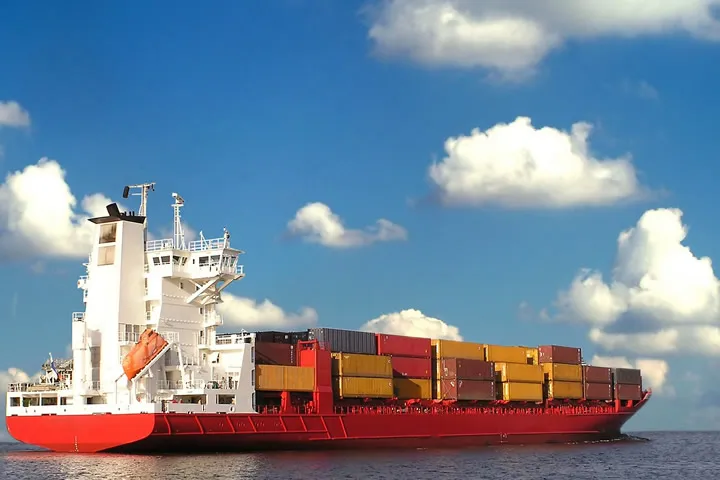
To engage in import and export trade, you first need to understand the basic process. The first step is market research, which involves understanding the demand for various products in different countries and regions. For example, some countries have a strong demand for environmentally friendly products, while others prioritize cost-effectiveness. Mr. Tian once exported a large quantity of high-energy-consuming products, popular in China, to environmentally conscious countries without sufficient market research, resulting in an embarrassing situation of unsalable goods.
Next is finding suppliers or buyers, which requires a discerning eye. You need to assess their reputation, production capacity, and many other aspects. Then comes signing the contract. The terms in the contract must be carefully considered, with details like delivery time and payment methods being crucial. Finally, you need to handle customs declaration, transportation, and a series of other procedures to ensure the smooth entry and exit of goods.
II. Grasping Risks and Responses in Import and Export Trade
Import and export trade is not always smooth sailing; there are quite a few risks involved. Exchange rate risk is a significant challenge. Fluctuations in exchange rates can instantly turn a profitable business into a loss. Mr. Tian once experienced a substantial reduction in her received payment in RMB after a significant change in exchange rates after signing the contract. Therefore, it is essential to reasonably utilize financial instruments to hedge against exchange rate risks, such as forward foreign exchange transactions.
There is also the risk of trade barriers. Different countries' trade policies, tariff adjustments, and other factors can become obstacles. Some countries may suddenly increase tariffs or introduce new technical standards. This requires us to constantly monitor policy dynamics in various countries and prepare in advance for responses, such as adjusting products to comply with new standards.
III. Enhancing Your Competitiveness in Import and Export Trade
In the fiercely competitive import and export trade market, to stand out, you must continuously enhance your competitiveness. Product quality is key; only by providing high-quality products can you win the long-term trust of customers. At the same time, service level should not be overlooked. Timely responses to customer inquiries and prompt handling of after-sales issues can significantly boost your advantage.
Furthermore, mastering multiple languages and being familiar with the cultural customs of different countries offers a significant advantage. This allows for smoother communication and interaction with foreign clients, avoiding unnecessary misunderstandings arising from cultural differences. For instance, Zhongmaoda has performed very well in this regard; they focus on cultivating employees' cross-cultural communication skills, thereby earning considerable reputation in the international market.
Conclusion: Embark on the Path of Import and Export Trade, Move Forward Bravely!
Doing import and export trade, although full of challenges, as long as we fully understand the process, grasp the risks, and enhance competitiveness, we can definitely carve out a niche for ourselves on this path. Friends, are you ready to embark on this import and export trade journey full of opportunities and challenges? Feel free to share your thoughts in the comment section; perhaps you can even spark more business opportunities!

Recent Comments (0) 0
Leave a Reply