"Mr. Luo recently found a surge in inquiries from overseas clients for his products, but missed out on millions in orders due to a lack of export qualifications..." Such stories unfold daily. Self-managed export rights are like a company's "international passport," but the application process deters many entrepreneurs. This article breaks down the entire process, guiding you to avoid the lesser-known "pitfalls."
Why Do Enterprises Need Self-Managed Export Rights?
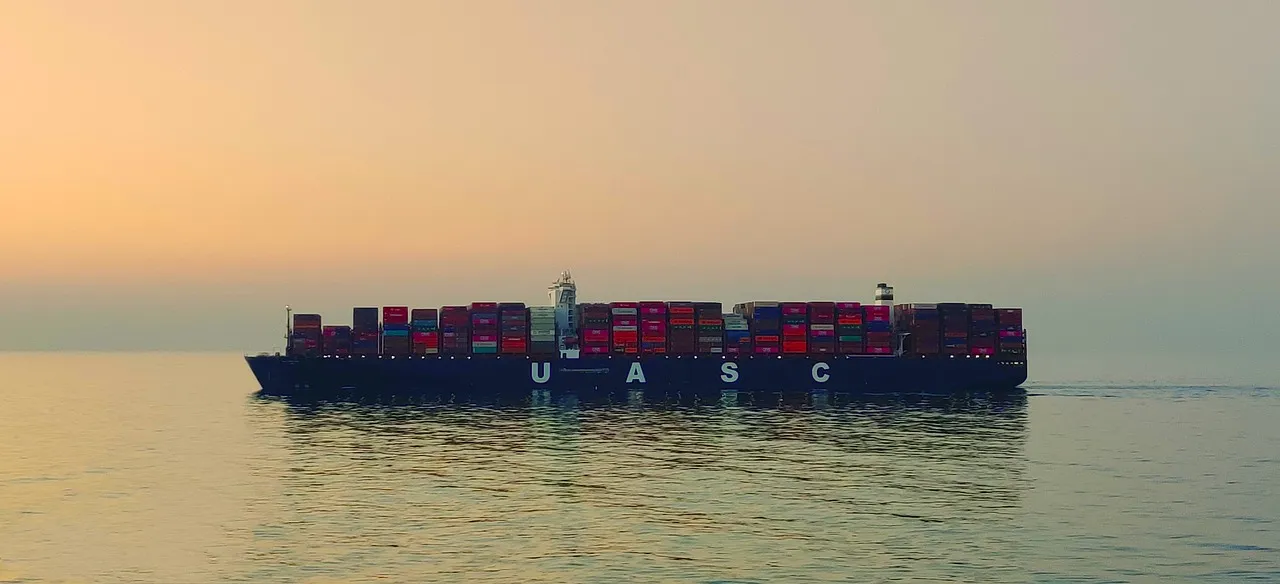
Enterprises with self-managed export rights can directly trade with overseas clients, **increasing profit margins by an average of 15%-30%**. Taking Mr. Luo garment factory as an example, by eliminating intermediaries through self-managed exports, the net profit per order increased by 220,000 yuan. More importantly, enterprises can independently control customer resources and establish long-term overseas channels.
Prerequisites Before Application
Before applying, ensure:
- Your business license's scope of business includes "import and export of goods"
- Your company bank account has been enabled for foreign exchange settlement
- Registered capital is no less than 500,000 yuan (special industries may have different requirements)
Special Reminder: If your scope of business does not include import and export, you need to complete an industrial and commercial change first, **which will take an additional 5-7 business days**.
Five Core Application Steps
Step 1: Foreign Trade Operator Filing
Submit to the Ministry of Commerce business system:
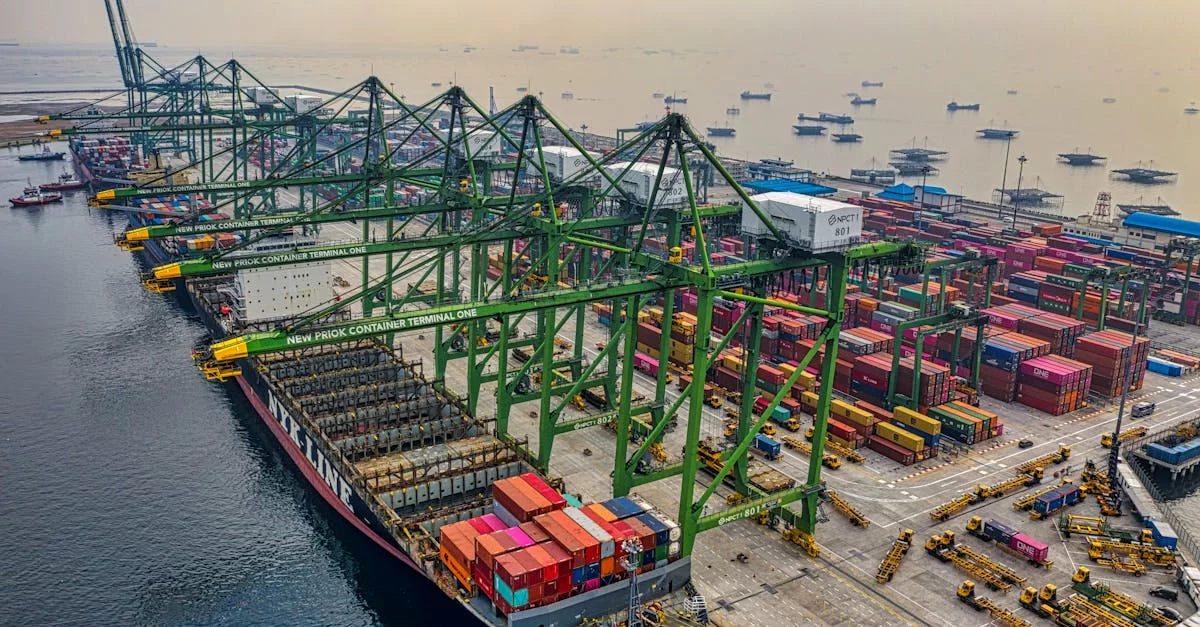
- Filing registration form with company seal
- Copy of business license
- Copy of legal representative's ID card
Typically, the filing form can be obtained within 3 business days, forming the foundation for all subsequent procedures.
Step 2: Customs Registration of Importers and Exporters
Bring materials to the local customs office for processing:
- Original filing registration form
- Registration form for customs declaration unit
- Original and copy of business license
Upon obtaining the 10-digit customs code, the enterprise is qualified for customs declaration.
Step 3: Electronic Port Network Access
This "customs clearance artifact" IC card requires the following for application:
- Customs registration certificate
- Original ID card of the legal representative
- Original ID card of the authorized agent
Step 4: Foreign Exchange Administration Filing
Requires submission of:
- Application form for registration in the import and export enterprise directory
- Copy of business license
- Customs declaration unit registration certificate
After completing the filing, the enterprise can conduct normal foreign exchange receipts and payments.
Step 5: Export Tax Rebate Qualification Recognition
Prepare the following for application at the competent tax authority:
- Application form for export tax rebate (exemption) qualification recognition
- Copy of customs declaration unit registration certificate
- Copy of bank account opening permit
Solutions for Common Problems
Q: How long does the entire process take?
A: With complete materials, the entire process can be completed in **15-20 business days**. It is advisable to prepare materials in advance to avoid delays due to corrections.
Q: Is it more cost-effective to handle it through an agent or yourself?
A: The cost of self-handling is approximately 2,000 yuan (including miscellaneous fees), while agent fees are typically 5,000-8,000 yuan. However, for the first-time application, professional guidance is recommended to avoid repeated submissions due to incorrect materials.
Are You Ready to Go Global?
When Mr. Luo successfully completed her first self-managed export order worth $800,000, she found the return on investment for obtaining self-managed export rights to be as high as 370%. Now it's your turn—click to save this guide, and leave your most pressing questions in the comments section. We will select 3 readers to provide free process diagnostic services.

Recent Comments (0) 0
Leave a Reply