Does the term 'export tax rebate' sound both familiar and unfamiliar? Familiar because it often appears in discussions within the foreign trade industry, unfamiliar because many only partially understand its specific operational procedures. Especially when companies face the choice between self-operated export and agency export, the tax rebate issue often becomes a critical factor in decision-making. Today, we will delve into the tax rebate differences between these two models, helping you avoid detours on your foreign trade journey.
Main Section
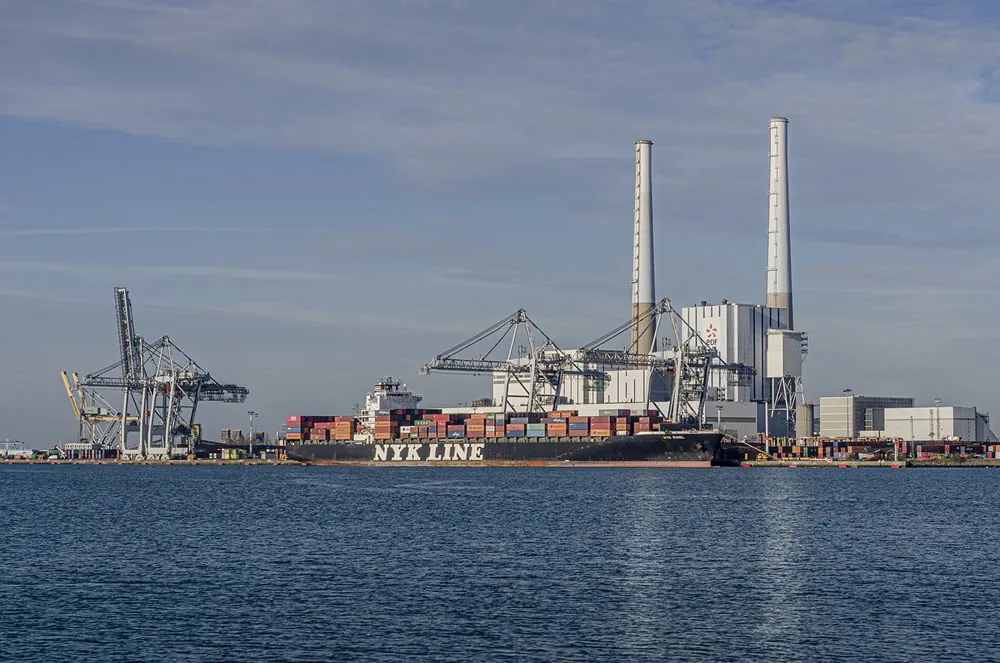
1. Self-operated Export Tax Rebates: An Embodiment of Corporate Autonomy
Self-operated export refers to a model where companies directly sign contracts with international clients and handle customs declaration, foreign exchange collection, and other procedures themselves. Under this model, companies can fully enjoy tax rebate policies, but they also bear more responsibilities and risks.
- Tax Rebate Process: Companies need to independently prepare materials such as customs declarations and VAT invoices to apply for tax rebates from tax authorities.
- Advantages: Rebate amounts directly belong to the company, leading to high capital utilization.
- Disadvantages: Complex procedures, requiring high financial and compliance capabilities from companies.
2. Agency Export Tax Rebates: Entrusting Professionals with Professional Tasks
Agency export refers to a model where companies entrust a third party (e.g., Zhongmaoda) to complete the export process, with tax rebates assisted by the agent. This model is suitable for small and medium-sized enterprises or companies new to foreign trade.
- Tax Rebate Process: The agent is responsible for collecting materials and applying for tax rebates, while the company only needs to cooperate by providing relevant documents.
- Advantages: Time-saving, labor-saving, and reduces compliance risks.
- Disadvantages: Tax rebate amounts need to be shared with the agent, and the capital arrival period might be longer.
3. How to Choose? Key Factor Analysis
Mr. Zou, the owner of a small manufacturing enterprise, has recently been troubled by the choice of export mode. Mr. Zou, the head of a foreign trade agency, suggests that Mr. Zou weigh the following factors:
- Company Scale: Large enterprises are more suitable for self-operated export, while SMEs can prioritize agency.
- Financial Capability: Is there a professional financial team to handle the tax rebate process?
- Cost-Effectiveness: Are the tax rebate benefits from self-operated export sufficient to cover additional labor costs?
Concluding Section
Whether it's self-operated export or agency export, tax rebate policies are 'bonuses' that companies cannot ignore. However, maximizing this bonus requires making a rational choice based on the company's specific circumstances. Which model do you prefer? Feel free to share your views in the comment section, or private message us for more professional advice!

Recent Comments (0) 0
Leave a Reply