As global carbon neutrality goals collide with trade barriers, a 'game under the sun' is quietly unfolding in the containers at Shanghai Port. Mr. Wu recently discovered that the German-brand solar panels he purchased had the original "Made in Shanghai" label hidden beneath the current tag. This is not an isolated case—Shanghai's solar panel re-export trade has formed a gray industrial chain with an annual scale exceeding 20 billion yuan, becoming a special bridge connecting Chinese manufacturing with overseas markets.
Triple Driving Engines of Re-export Trade
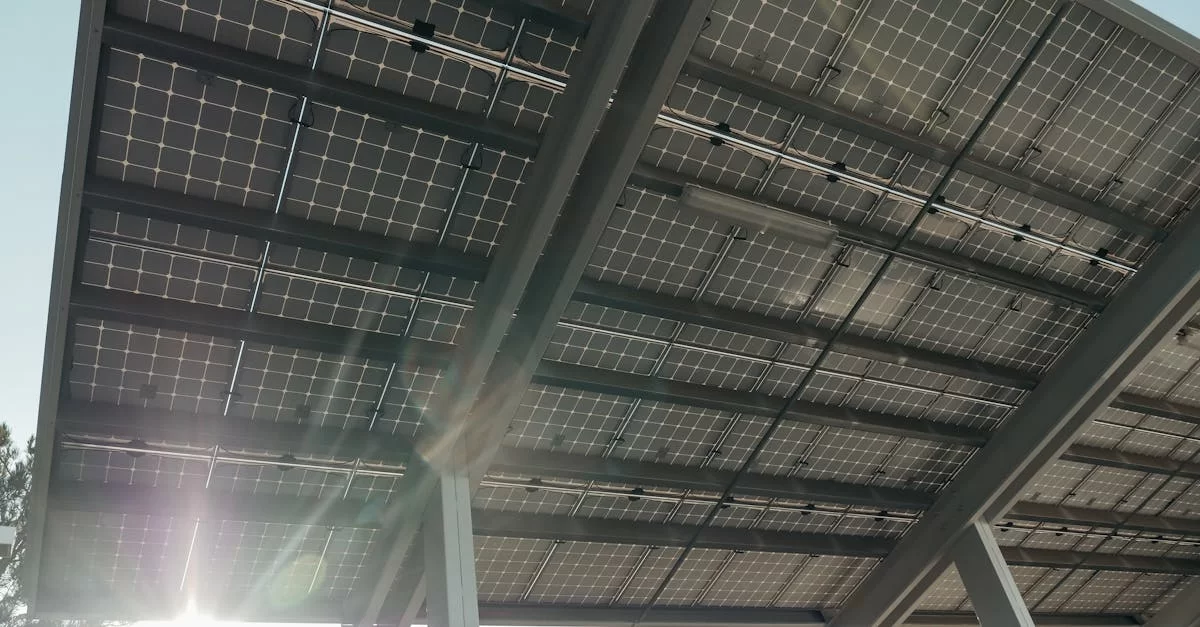
In the warehouses of Pudong Free Trade Zone, Mr. Wu team handles 3,000 "rebranded" photovoltaic modules every day. Behind the surge of this trade model are three key driving factors:
- Tariff Barrier Avoidance: Europe and the US levy an average of 47% anti-dumping duties on Chinese PV products, while re-exporting through Southeast Asia only incurs 5-8% tariffs
- Brand Premium Capture: Product prices can increase by 30-50% after rebranding, yet remain lower than quotes from European and American local manufacturers
- Logistics Hub Advantage: Shanghai Port can reach major global ports within 48 hours, and the Free Trade Zone provides "one-day tour" customs clearance services
Undercurrents of Compliance Risks
Zhongmao Da Trade Compliance Director revealed that in 2023, 17 batches of re-exported PV modules were seized by the EU due to origin fraud. Typical risks include:
- Re-exporting via Vietnam requires meeting a 35% value-added rate, but most only involve packaging changes
- US Customs has launched "PV module DNA testing" to identify true origin through silicon material traceability
- The "three documents inconsistency" issue (invoice, bill of lading, and certificate of origin) for re-export to a third country
New Opportunities Brought by Technological Upgrades
With the mass production of N-type TOPCon cells, Shanghai manufacturers are shifting from low-end re-export to technology output:
- Malaysian factories are beginning to adopt core battery cells supplied by Shanghai
- Turkish assembly plants are introducing Shanghai's fully automatic encapsulation production lines
- Companies like Zhongmao Da are establishing new models of "overseas warehouses + localized services"
Future Game: Walking a Tightrope Between Compliance and Profit
When German customers demand carbon footprint certification from Mr. Wu, the rules of the game in this industry are changing. Perhaps the real way out lies in: replacing price advantages with technological barriers, and breaking through trade barriers with green certification. Next time you see a solar panel on a rooftop, perhaps consider—how many countries did it cross to get there?

Recent Comments (0) 0
Leave a Reply