In the grand chessboard of global trade, re-export trade has always played a pivotal role, and Malaysia is gradually emerging as a shining piece on this board. Imagine goods converging from all over the world, undergoing a series of ingenious processing, and then being transported to other destinations. What business opportunities and mysteries lie within this process? This is precisely what this article aims to explore in depth for you – re-export trade in Malaysia.
Advantages of Re-export Trade in Malaysia
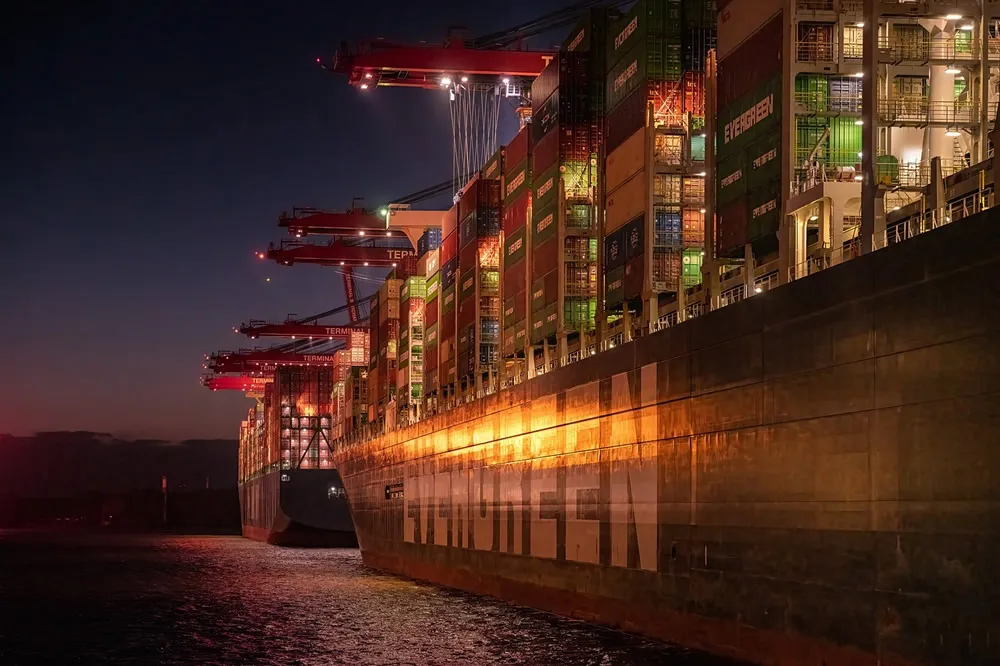
Malaysia enjoys a uniquely advantageous geographical location. Situated at the heart of Southeast Asia, it straddles the Strait of Malacca, a vital international waterway that handles a significant volume of maritime trade transport annually. It's akin to a "transportation hub" for global trade, where goods can be transited more conveniently to major continents such as Asia, Europe, and Africa.
Its comprehensive infrastructure is another major highlight. Modern ports, like Port Klang, are equipped with advanced loading and unloading equipment and efficient logistics management systems, capable of rapidly handling the loading, unloading, and transshipment of large volumes of cargo. Simultaneously, a developed network of roads and railways connects ports with inland regions, providing strong support for cargo distribution.
Furthermore, the Malaysian government has introduced a series of preferential policies to promote re-export trade. For instance, tax reductions and exemptions are offered, providing certain degrees of relief in import duties and value-added tax for eligible re-export trade enterprises, significantly lowering their operational costs.
How to Conduct Re-export Trade in Malaysia
First, thorough market research is essential. Understand the demand for various goods in different countries and regions. For example, Mr. Lang discovered that the European market has a strong demand for Southeast Asian specialty handicrafts. These handicrafts can be sourced from countries surrounding Malaysia and then re-exported to Europe via Malaysia.
Selecting suitable partners is crucial. Collaboration with reputable local trading companies and freight forwarding companies is recommended. Mr. Lang, for instance, partnered with a well-known freight forwarding company in Malaysia. This company has rich experience in customs clearance and transportation arrangements, ensuring smooth cargo transshipment.
Moreover, familiarity with trade procedures and relevant regulations is vital. From import declarations and quarantine inspections to export documentation preparation, every step must be strictly carried out in accordance with regulations to avoid delays or compliance risks.
Risks and Mitigation Strategies
Re-export trade is not always smooth sailing. Exchange rate fluctuations are a major risk. Due to settlements in different currencies, sudden exchange rate changes can lead to profit losses. Enterprises can utilize financial tools, such as forward exchange contracts, to lock in exchange rates and reduce risk.
Changes in trade policies also cannot be overlooked. Trade policies in various countries are constantly being adjusted, which may affect the conduct of re-export trade. Businesses must closely monitor policy dynamics in different countries and adjust their business strategies in a timely manner.
Future Outlook
With the advancement of the "Belt and Road" initiative, Malaysia, as a key node country, is expected to witness broader development prospects for its re-export trade. Increased trade flows will prompt Malaysia to further enhance its competitiveness in re-export trade. It is hoped that more enterprises will keenly capture this opportunity, actively engage in Malaysia's re-export trade sector, and jointly usher in a new chapter of trade.

Recent Comments (0) 0
Leave a Reply