Imagine this: You have a batch of goods that urgently need to be shipped overseas, but facing complex customs declaration processes, fluctuating route options, and tedious paperwork, do you feel lost? At this point, a freight forwarding company for ocean export is like an experienced "navigator," helping you avoid reefs and reach your destination. This article will reveal the core value of such companies and how to choose a reliable service provider.
Why Do You Need an Ocean Export Agency?
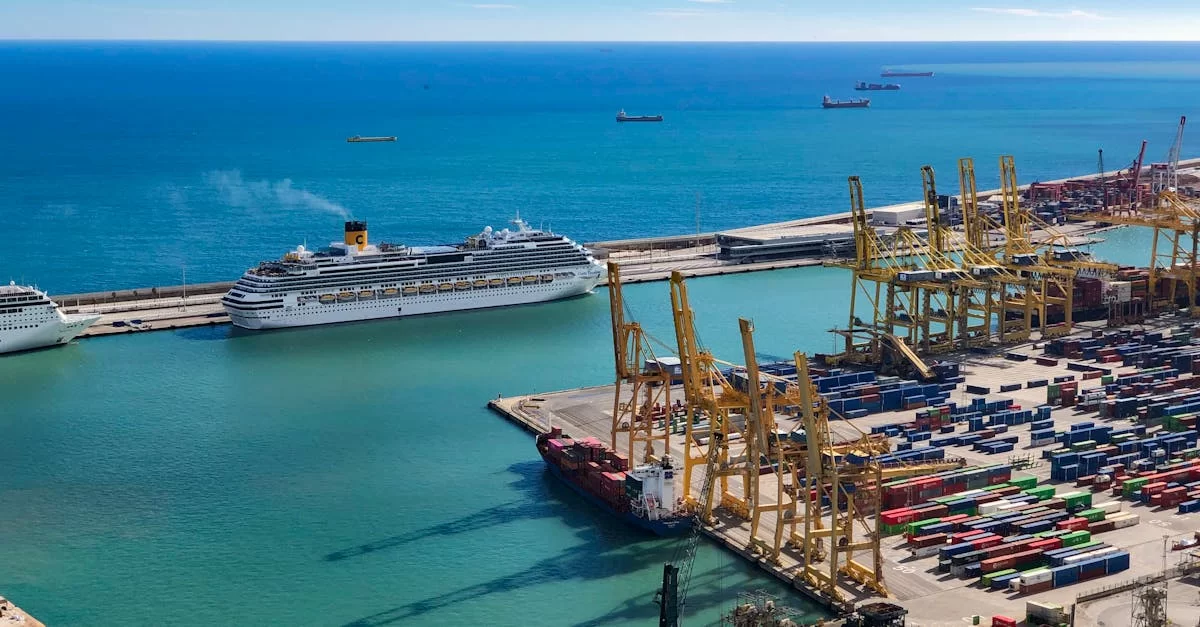
Mr. Xia, on his first attempt to export goods independently, had his cargo detained at the port due to unfamiliarity with customs code classification, incurring losses of over ten thousand yuan daily. Mr. Xia, by contrast, exported similar products through an agency company, not only saving 20% on shipping costs but also completing customs clearance three days ahead of schedule. The core advantages of professional agencies are reflected in:
- Cost Control: Consolidating resources from multiple shipping companies to obtain optimal freight rates
- Risk Aversion: Anticipating changes in customs policies of various countries to avoid compliance issues
- Efficiency Improvement: Automated documentation systems process at five times the speed of manual operations
The "Three Axe" Services of Agency Companies
Quality agency companies typically offer three core service modules:
- Full-process: "Door-to-door" service from booking, loading, to destination port customs clearance
- Special Cargo Solutions: Customized solutions for special transportation needs such as dangerous goods/cold chain/oversized cargo
- Data Visualization: Real-time tracking of cargo location and early warning of potential delays
Taking Zhongmaidacorp as an example, its independently developed freight management system can synchronize data with over 80 major global ports, allowing clients to view their cargo's "voyage log" at any time.
Five Golden Standards for Choosing an Agency
The quality of agencies in the market varies. It is recommended to screen them through the following dimensions:
- Qualification Verification: Check if they possess certifications such as NVOCC license, FIATA membership, etc.
- Route Coverage: Focus on the route density and transshipment capabilities for target markets
- Case Studies: Request transportation case studies from clients in similar industries (after anonymization)
- Risk Control System: Understand their cargo insurance plans and dispute resolution mechanisms
- Response Speed: Test their emergency response capabilities outside of working hours
Future Trends: Digitalization Reconstructing Ocean Freight Agencies
With the application of blockchain technology, a certain agency company in Shenzhen has achieved automatic payment triggers through "smart contracts"; some enterprises in Shanghai have begun piloting AI to predict route congestion indices. The industry is undergoing:
- A transformation from "labor-intensive" to "data-driven"
- Expansion of service boundaries to value-added areas such as supply chain finance
- Carbon footprint tracking becoming a new standard for green shipping
For your cargo's next voyage, will you continue to explore on your own, or choose to sail with professional navigators? Feel free to share your cross-border logistics stories in the comment section, or send a private message to get the latest ocean freight cost estimation table for 2024. After all, in the turbulent seas of international trade, the right choice can ensure your cargo not only "gets out" but also "goes out beautifully."

Recent Comments (0) 0
Leave a Reply