When Mr. Zhuang first received an inquiry from an overseas client, he stared at his computer screen for a full five minutes. The electronic accessories processing plant, established three years ago, was finally taking its first step into international trade. But after the excitement, a practical question arose: What are the procedures a company needs to go through for export? Today, we will use 2,000 words of practical information to dissect this path to the global market, full of opportunities and challenges.
I. The Essential Course Before Export: Qualification Preparation
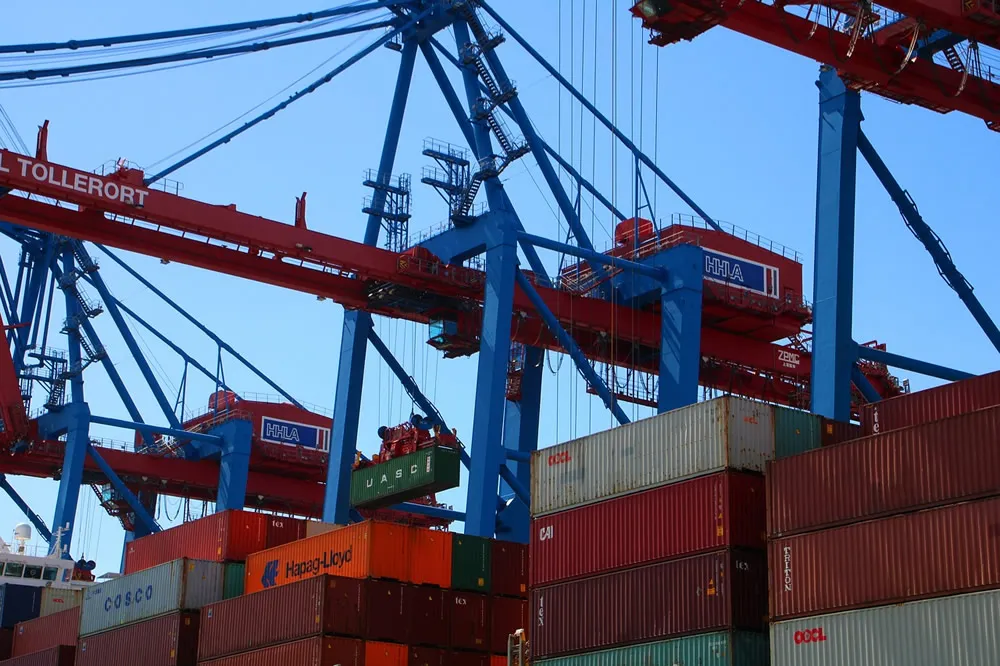
Just as driving requires a license, export requires a "pass." Mr. Zhuang garment factory once had its first batch of goods detained at the port for two weeks due to a forgotten customs registration for receivers and senders of import and export goods. Here is a list of essential qualifications:
- Business License Amendment: Add "import and export of goods" to the business scope
- Customs Registration: Apply online through China International Trade "Single Window"
- Foreign Exchange Account: Open a foreign currency settlement account (it is recommended to choose a bank with international business)
- Electronic Port Card: A "digital key" for customs declaration operations
II. Customs Clearance in Practice: A Four-Step Flowchart
According to data from Zhongmaoda Foreign Trade Department, 83% of export delays occur during customs clearance. We have simplified it into a replicable standardized process:
- STEP 1 Contract Signing: Pay special attention to the selection of INCOTERMS (FOB is recommended for beginners)
- STEP 2 Document Preparation: Commercial invoice, packing list, and certificate of origin are indispensable
- STEP 3 Declaration and Customs Clearance: The accuracy of the HS code directly affects customs duties (professional databases can be purchased for verification)
- STEP 4 Logistics and Distribution: The choice between sea and air freight depends on the value-to-density ratio of the goods (Formula: Cargo Value ÷ Volume)
III. Pitfalls to Avoid: Hard-Learned Lessons from Experienced Traders
Mr. Wang's ceramic handicrafts, valued at 200,000 yuan, were returned entire due to "untreated fumigation for wooden packaging." You need to be aware of these hidden costs:
- Special Goods: Food requires FDA certification, toys need CE marking
- Cultural Differences: Middle Eastern countries require Islamic halal certification
- Payment Risk: For new clients, a 30% prepayment + 70% letter of credit is recommended
IV. Digitalizing Overseas Expansion: The Accelerator of a New Era
Through Zhongmaoda's intelligent customs declaration system, a certain enterprise reduced the average customs clearance time from 48 hours to 6 hours. Three technological empowerment directions are worth noting:
- Blockchain Traceability: Solves cross-border trust issues
- AI Intelligent Classification: Improves HS code accuracy to 98%
- Cloud Document Management: Automatically generates 15 standard format documents
After Mr. Zhuang completed his first export process, he wrote in his work log: "It's like playing a level-up game; with each qualification badge earned, you get one step closer to the world map." Is your company ready to unlock the Global Market Achievement? Welcome to share your overseas expansion stories or questions in the comments section. We will select three readers to provide free export process diagnosis.

Recent Comments (0) 0
Leave a Reply