In import and export trade, import inspection agency fees are a focal point for many businesses. When Mr. Cong was involved in import business, he encountered this very problem: how much are import inspection agency fees? In reality, there is no fixed standard for import inspection agency fees; they are influenced by multiple factors.
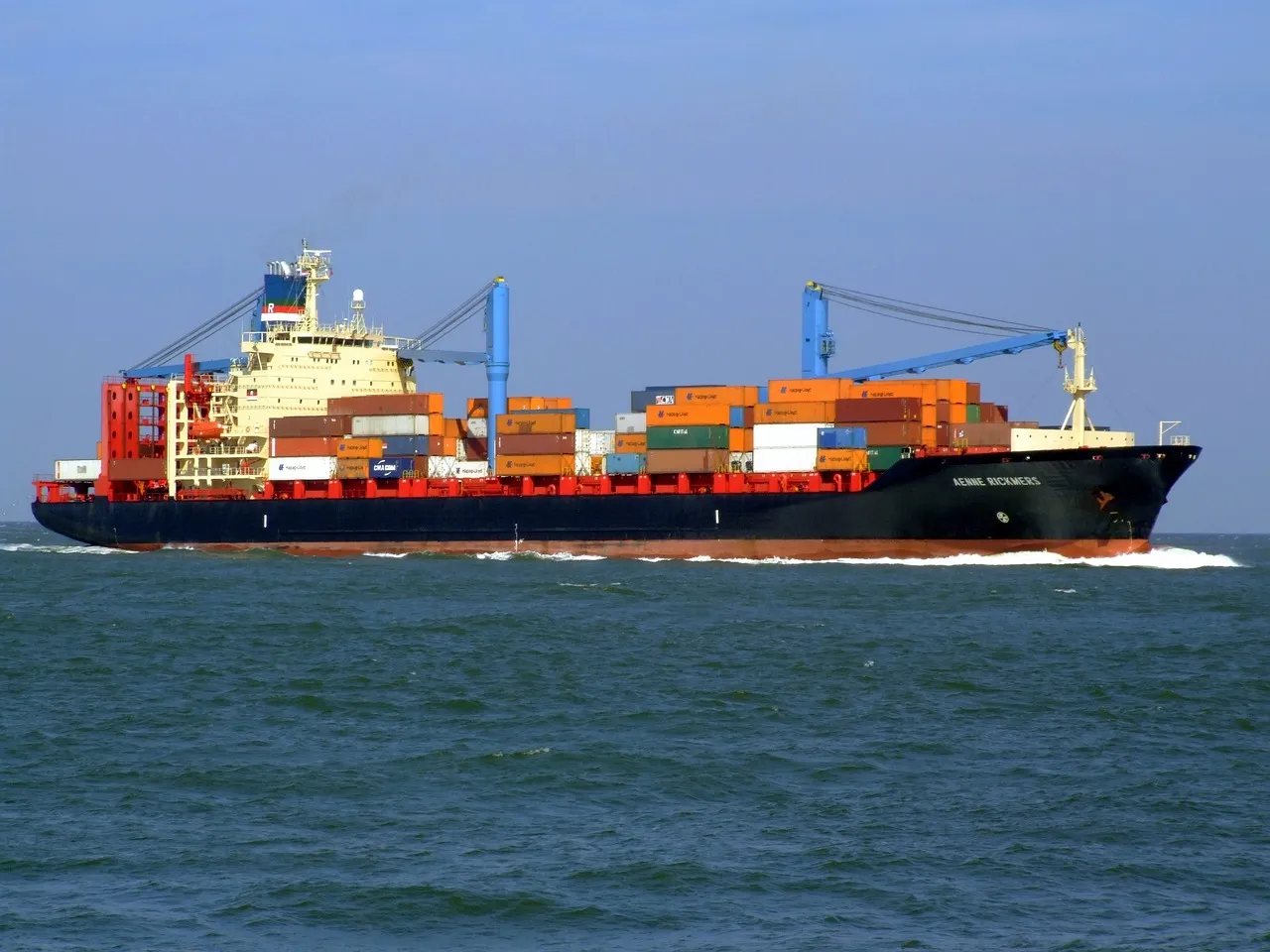
Firstly, it's the type of goods. Different types of goods have vastly different inspection requirements. For instance, food products, due to their impact on public health and safety, have extremely stringent inspection standards. Inspection bodies need to conduct detailed tests on aspects like ingredients, microbial indicators, and additive usage, which consume considerable manpower and resources, thus resulting in relatively higher agency fees. In contrast, ordinary plastic products have simpler inspection items, primarily focusing on appearance, dimensions, and physical properties, so their inspection agency fees are naturally lower.
Secondly, the value of the goods also plays a crucial role. Generally, higher-value goods incur higher inspection agency fees. This is because if quality issues arise with high-value goods, the losses can be enormous. For example, for a batch of precision electronic instruments worth millions, the import inspection agency bears significant responsibility and requires more professional personnel and sophisticated testing equipment to ensure cargo quality. Correspondingly, the fees collected will increase.
Import Port and Inspection Location Influence Fees
Different import ports can also lead to variations in import inspection agency fees. For some busy, large ports like Shanghai Port or Shenzhen Port, due to high business volume and intense competition, inspection agencies may offer relatively reasonable prices to attract clients. However, for some relatively remote ports with lower business volume, agency fees might be higher due to operational costs and other factors.
The inspection location also affects the fees. If the inspection location is a designated inspection area near the port, with convenient transportation, the operational costs for the agency are relatively low, and the fees will be correspondingly less. But if the goods need to be transported to a factory or warehouse in an inland region for inspection, transportation and time costs will increase, and these additional costs will be reflected in the agency fees. For example, Mr. Cong batch of goods, originally planned for inspection at the port, was later changed to a factory several hundred kilometers away due to special circumstances, significantly increasing the inspection agency fees.
Choice of Inspection Agency and Price Relationship
When selecting an import inspection agency, businesses will also find that different agencies have varying fee structures. Professional and reputable agencies like Zhongmaoda, although they may charge relatively higher fees, possess extensive experience, professional teams, and comprehensive service processes. This ensures that inspection work is completed efficiently and accurately, helping businesses avoid potential quality risks. Some smaller or newly established agencies, in order to attract clients, may compete with low-price strategies, but may have shortcomings in service quality and professional capabilities.
While considering the price, businesses should pay more attention to the overall strength of the agency. They should not choose solely based on low prices, as unprofessional inspections could lead to quality issues with the goods once they enter the market, causing greater losses for the business.
In summary, the amount of import inspection agency fees is determined by a combination of multiple factors. In their import business, companies should comprehensively consider all aspects, select appropriate inspection agencies, and control costs reasonably while ensuring cargo quality. We hope that readers facing issues with import inspection agency fees can conduct a thorough analysis and make wise decisions. We also welcome everyone to share their experiences and insights in the comment section.

Recent Comments (0) 0
Leave a Reply