On the stage of international trade, Hong Kong, with its unique geographical location and sophisticated financial and commercial trade system, has always been a crucial hub for re-export trade. When re-export trade is mentioned, many people's attention turns to Hong Kong. So, what exactly is the charm and mystery of Hong Kong's re-export trade? Let's explore it together.
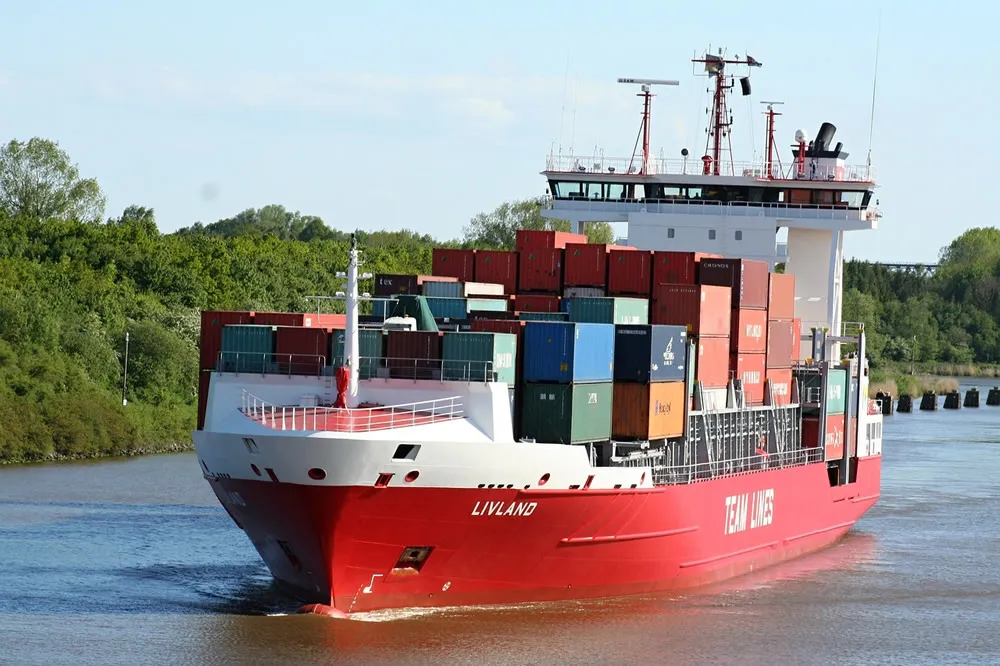
The history of Hong Kong's re-export trade is long and profound. Looking back, Hong Kong is uniquely blessed geographically, situated in the heart of East Asia, serving as a vital bridge connecting mainland China with various parts of the world. In its early days, Hong Kong utilized its excellent natural harbor to transship goods for surrounding regions. For instance, some distinctive agricultural products and handicrafts from the mainland at that time were re-exported via Hong Kong to markets in Europe, America, and other places. At that time, Hong Kong's re-export trade was like an invisible bond, tightly connecting different regions.
Advantages of Hong Kong's Re-export Trade
From the perspective of trade policy, Hong Kong has consistently pursued a free port policy. This means that goods entering and exiting Hong Kong involve simplified procedures and highly favorable tariffs. For businesses, this significantly reduces trade costs. Taking Mr. Lai trading company as an example, they re-exported goods via Hong Kong, saving a substantial amount of time and expenses in the customs clearance process, and were able to bring their goods to the international market more quickly.
Hong Kong boasts advanced infrastructure. Its modern port facilities, whether it's the loading and unloading capacity of its terminals or the intelligent management of its warehouses, are at a world-leading level. Its international airport has routes spanning the globe, enabling efficient air freight re-export. Furthermore, Hong Kong's sophisticated financial system provides strong financial support for re-export trade. During the trade process, businesses, whether for financing, settlement, or risk management, can find professional financial services in Hong Kong.
Challenges and Opportunities Faced
Naturally, Hong Kong's re-export trade has not been without its challenges. Fluctuations in the global economic situation, such as economic crises and the rise of trade protectionism, can impact it. When trade protectionism prevails, some countries raise tariffs and erect trade barriers, hindering the flow of goods in Hong Kong's re-export trade. However, challenges and opportunities coexist. With the advancement of the "Belt and Road" initiative, Hong Kong, as a crucial node, has ushered in new development opportunities. There are numerous countries along the "Belt and Road" route, possessing immense trade potential. Hong Kong can leverage its advantages to strengthen trade ties with these countries and expand the market landscape of its re-export trade.
Furthermore, the rise of the digital economy also presents opportunities for Hong Kong's re-export trade. Through digital technology, trade processes can achieve more efficient management, from order processing to cargo tracking, all can be monitored in real-time. Mr. Lai trading company, for instance, utilized digital platforms to optimize its re-export trade processes and enhance customer satisfaction.
Future Outlook
Hong Kong's re-export trade has continuously evolved throughout history, and despite facing numerous challenges, its profound heritage and numerous advantages still promise broad prospects. Under the overarching trend of global economic integration, Hong Kong should continue to leverage its strengths, actively address challenges, seize new opportunities, and continuously innovate trade models. It is believed that Hong Kong's re-export trade will continue to shine on the future international trade stage, making greater contributions to regional and global economic development. It is hoped that more trade practitioners will pay attention to Hong Kong's re-export trade and jointly explore this field brimming with potential.

Recent Comments (0) 0
Leave a Reply