In today's dazzling consumer market, imported foods are deeply loved by the public for their unique flavors and quality. Behind this, the contract processing technology for imported foods plays a crucial role. Today, let's delve into this mysterious realm together and see how delicious imported foods are born.
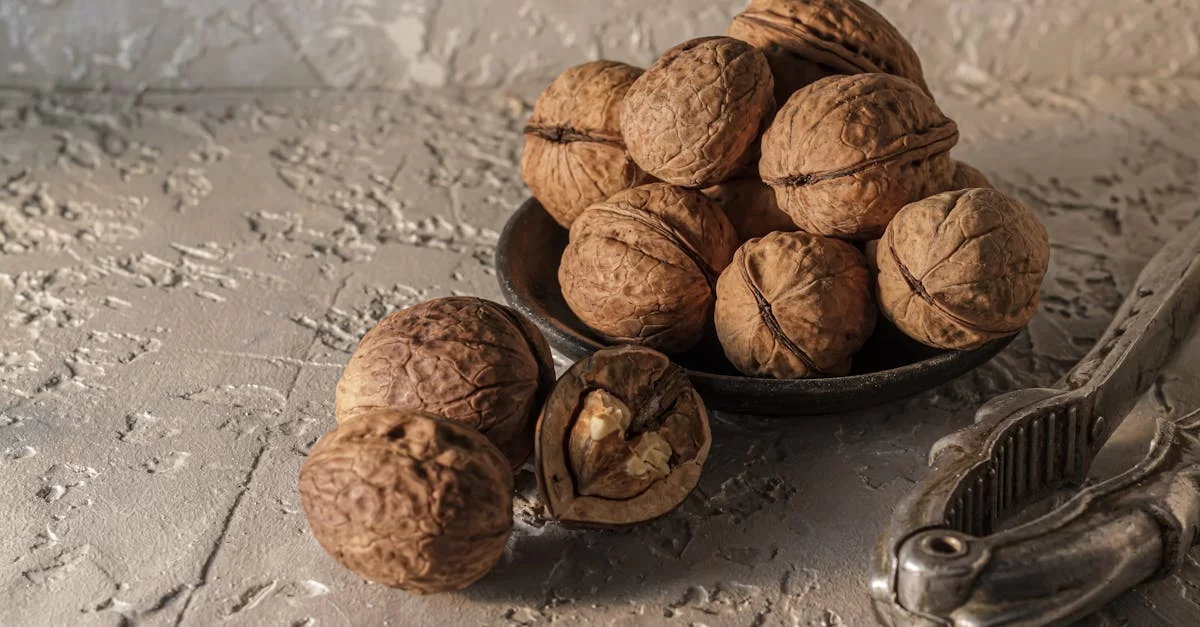
Raw Material Procurement and Selection
High-quality raw materials are the foundation for creating high-quality imported foods. Contract processing companies often establish close collaborations with suppliers worldwide to ensure they obtain the most authentic and freshest ingredients. For instance, for an Italian-style biscuit, the flour might be carefully selected from a specific region in Italy, where the climate and soil conditions endow the wheat with a unique texture and aroma. Raw materials purchased are strictly screened to eliminate substandard portions, such as fruits with blemishes or spoiled grains, ensuring product quality from the source.
Precise Control of Processing Technology
Different types of imported foods have their own unique processing technologies. Taking chocolate as an example, cocoa beans are first fermented, dried, and ground to obtain cocoa liquor. This is then refined to remove bitterness and enhance taste. During the tempering process, precise control of temperature and time is crucial to give chocolate its optimal gloss, texture, and flavor. Another example is Japanese sushi; the steaming of rice, the proportion of vinegar, and the cutting techniques of ingredients all have strict standards, and even slight deviations can affect the overall quality of the sushi.
Hygiene and Safety Assurance
Imported foods are for a wide range of consumers, so hygiene and safety cannot be overlooked. Processing plants must meet high standards of cleanliness, and staff must wear professional sanitary protective gear and undergo regular health checks. Production equipment also needs to be cleaned and disinfected regularly to prevent the growth of microorganisms. In terms of quality testing, from raw material input to finished product output, multiple testing procedures are carried out. These include testing for microbial indicators, heavy metal content, and additive usage. Only when all indicators comply with relevant standards can the product successfully enter the market.
Packaging and Storage Transportation
Packaging is not just for aesthetics; it is also a critical step in protecting food quality. Suitable packaging materials can prevent food from becoming damp, oxidizing, or suffering physical damage. For example, potato chips are often packaged with nitrogen, which can extend shelf life and maintain their crispy texture. In terms of storage and transportation, temperature control and moisture-proofing measures are implemented according to the characteristics of the food. Frozen foods require full cold chain transportation to ensure that the temperature remains within the specified range at all times, avoiding fluctuations that could affect food quality.
The contract processing technology for imported foods is a complex and meticulous system, where professionalism and dedication are condensed into every step from raw materials to finished products. Next time you savor delicious imported foods, take a moment to appreciate and respect these processes. If you have more insights into the contract processing technology of imported foods, feel free to leave a comment in the discussion area and explore this fascinating field together.

Recent Comments (0) 0
Leave a Reply