At 11 PM, Mr. Quan closes his laptop. The PayPal incoming payment notification on the screen shows $8,600 – this is the third order of medical equipment export completed through the "cross-border office" converted from his bedroom. This asset-light entrepreneurial model, known as "SOHO import and export agency," is allowing more and more ordinary people to bypass the high threshold of traditional foreign trade companies and directly participate in global trade.
What is SOHO Import and Export Agency?
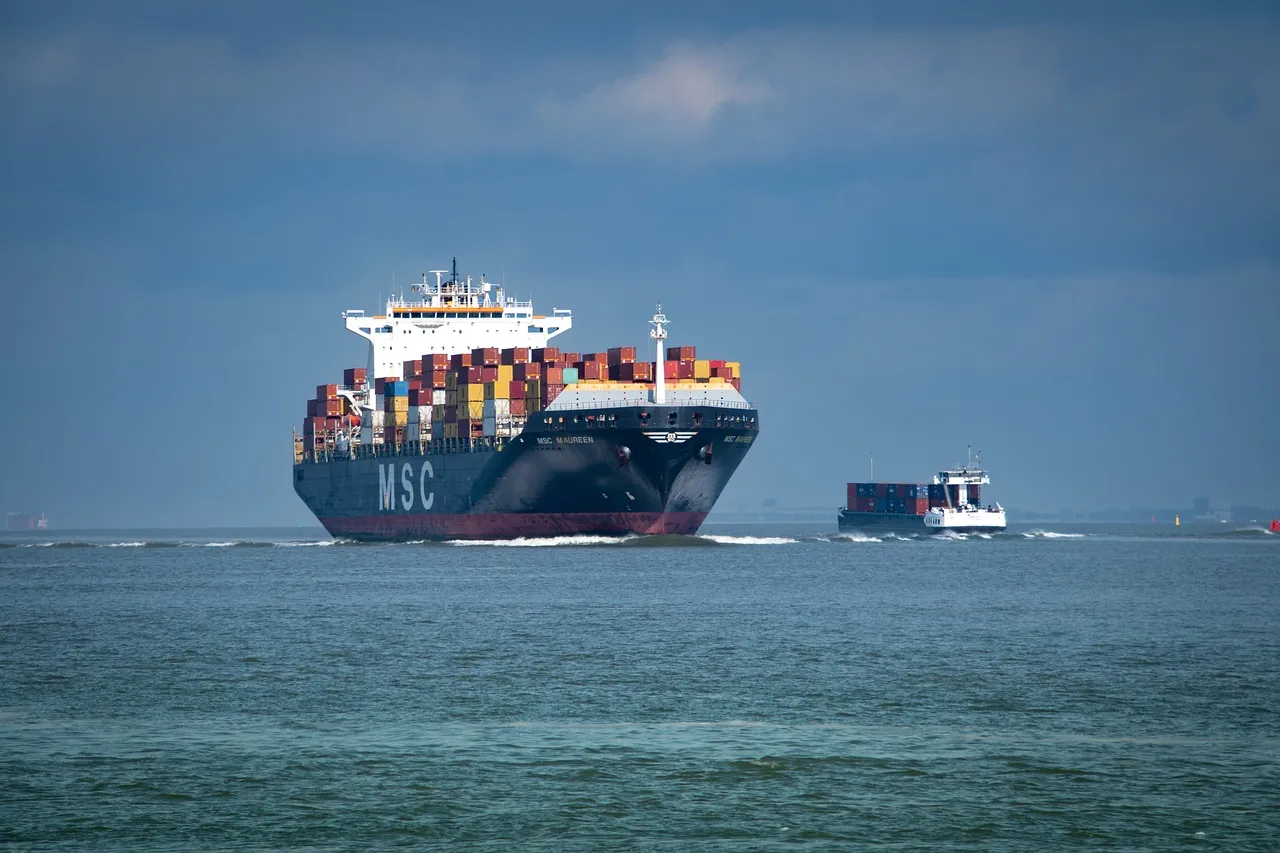
SOHO (Small Office Home Office) import and export agency essentially means an individual acts as an intermediary, connecting domestic suppliers with overseas buyers and earning commissions through professional services. Compared to traditional foreign trade, it has three significant characteristics:
- Zero inventory: The entire process adopts an "order-driven" model
- Asset-light: Business can be conducted without registering a company
- High flexibility: Allows focus on a specific niche
Three Keys to Demystifying Entry into the Industry
Mr. Quan initially thought that having a foundation in English would be enough to easily secure orders. After operating for half a year, she finally understood:
- Product selection determines success or failure: Mechanical parts are more suitable for the SOHO model than clothing due to high professional barriers and opaque pricing.
- Agency qualification ≠ operational qualification: Individuals can leverage the customs clearance channels of import and export agency companies, but a formal cooperation agreement must be signed.
- Cash flow design: It is recommended to adopt a payment structure of "30% deposit + 70% payment upon presentation of a copy of the bill of lading."
Four Essential Toolchains for Newcomers
Successful SOHO practitioners use these digital tools to build their competitive advantage:
- Customs data inquiry: Analyze real buyer demands
- Cloud customs declaration system: Submit clearance documents online
- Virtual overseas warehouse system: Provide localized shipping experience
- Cross-border payment and settlement tools: Solve multi-currency settlement challenges
The Invisible Boundaries of Risk Control
Last year, a practitioner suffered heavy losses by neglecting these details:
- Supplier's export tax refund qualifications must be verified.
- Advance payments must be supervised through third-party accounts.
- The place of arbitration for quality disputes must be clearly defined.
Opportunity Window for the Next Three Years
With the explosion of cross-border e-commerce independent stations and the implementation of RCEP tariff preferences, the demand for small-scale, specialized import and export services will continue to grow. A practitioner in a niche field revealed that the average profit margin for SOHO agents specializing in medical consumables can reach 23%, significantly higher than the 8-12% of traditional foreign trade.
This seemingly low-barrier industry is, in reality, a comprehensive competition of professional knowledge, resource integration capabilities, and risk awareness. When you are ready to turn your living room into a "global trade office," ask yourself: Have you established a differentiated competitive advantage? Welcome to share your thoughts on this entrepreneurial model in the comment section.

Recent Comments (0) 0
Leave a Reply