In today's global economic wave, export business presents both opportunities and challenges for numerous companies. And the export tax refund policy is undoubtedly a benefit that many export companies are extremely concerned about. So, in what situations can export companies get tax refunds? Today, we will elaborate on this, so that our friends in export companies can have a clear understanding.
I. Meeting Basic Conditions is a Prerequisite
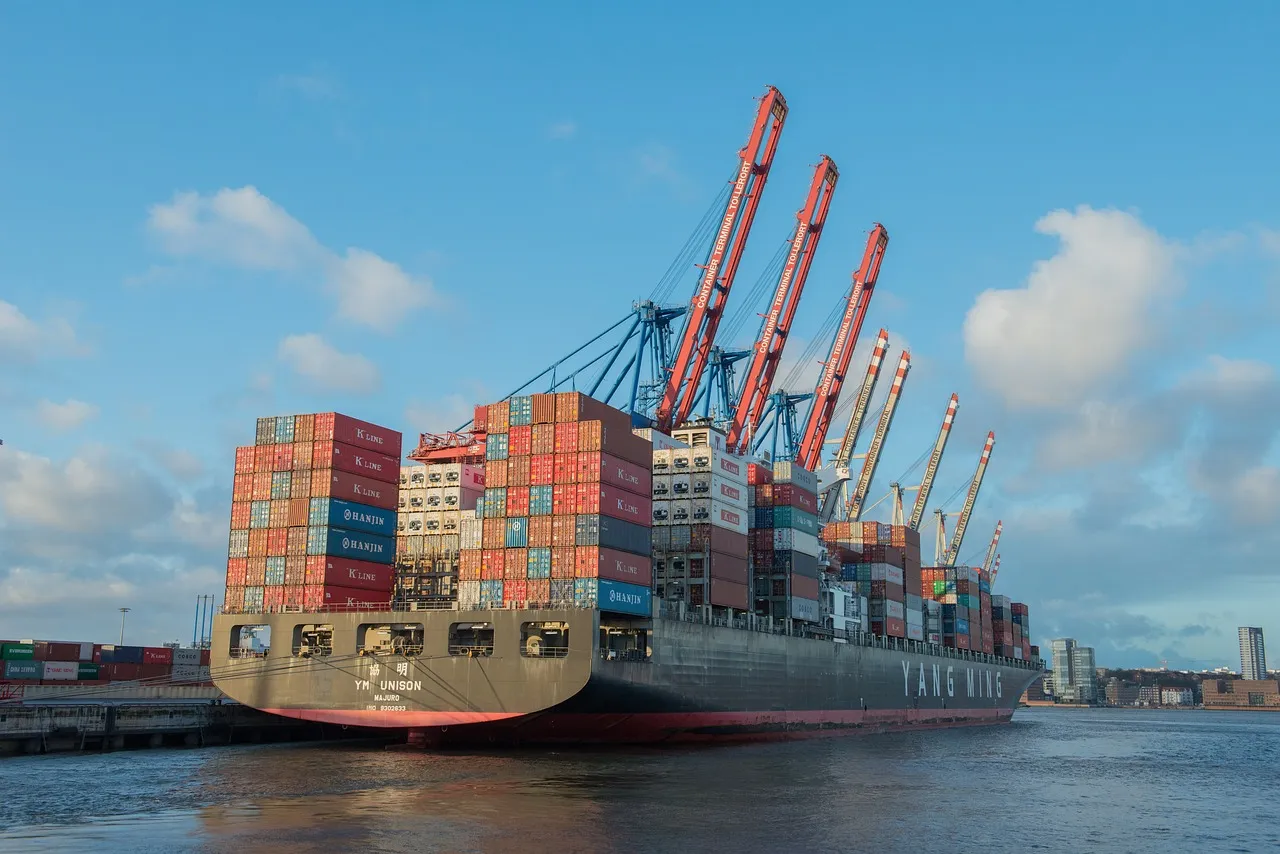
First, export companies must be qualified general VAT taxpayers. This is like getting an entry ticket to the "door" of tax refunds. If you don't even possess this basic qualification, then tax refunds are out of the question. Furthermore, the company must have actual export business activities. This export business is not just talk; relevant supporting documents are required, such as export customs declarations, export sales invoices, etc. These are important bases to prove that the company has indeed sold goods abroad.
II. Goods Must Meet the Scope of Tax Refund
Not all exported goods can enjoy the tax refund policy. Generally, goods that fall within the scope of VAT and consumption tax collection and are listed in the tax refund product catalog are eligible.
- For example, common manufactured industrial products, such as mechanical parts and electronic products, often meet the tax refund conditions.
- However, for goods that are restricted or prohibited from export by some countries, they will certainly not be within the scope of tax refunds, as policies must also align with overall trade regulations.
Therefore, before exporting, companies must carefully confirm whether their goods are within the scope of refundable tax, otherwise, after all the effort, discovering they cannot get a refund would be a great loss.
III. Foreign Exchange Collection Must Meet Standards
Export companies sell goods and must also collect foreign exchange. The foreign exchange collection situation is also an important factor affecting whether tax refunds can be obtained. Under normal circumstances, companies must complete foreign exchange collection within the stipulated time and provide relevant collection vouchers. If foreign exchange cannot be collected on time due to special reasons, the company must also go through the prescribed procedures for extending foreign exchange collection. As long as it meets the relevant foreign exchange management requirements, it will not affect the tax refund. After all, the original intention of the export tax refund policy is to encourage companies to actively export and earn foreign exchange.
IV. Accounting Treatment Must Be Standardized
Standardized accounting treatment is extremely important. Companies must accurately calculate data related to the purchase amount of exported goods, input VAT, export sales amount, etc. If the accounts are chaotic and the data does not match, the tax authorities cannot accurately determine whether the company meets the tax refund conditions during the review. Therefore, export companies must have professional financial personnel who, in accordance with relevant accounting standards and tax requirements, keep the accounts clear and transparent, so that they can smoothly apply for tax refunds.
In conclusion, if export companies want to smoothly enjoy the benefits of the export tax refund policy, they must be prepared in all aspects and meet the above conditions. Friends in export companies, you must pay attention to this matter and carefully review your company's situation to see if it meets all tax refund requirements. You might miss out on a considerable amount of tax refund due to insufficient understanding of these conditions. If you have any further questions, you can also consult professional organizations such as Zhongmaoda for information. We hope that every export company can fully enjoy its due policy benefits on the premise of legality and compliance.

Recent Comments (0) 0
Leave a Reply